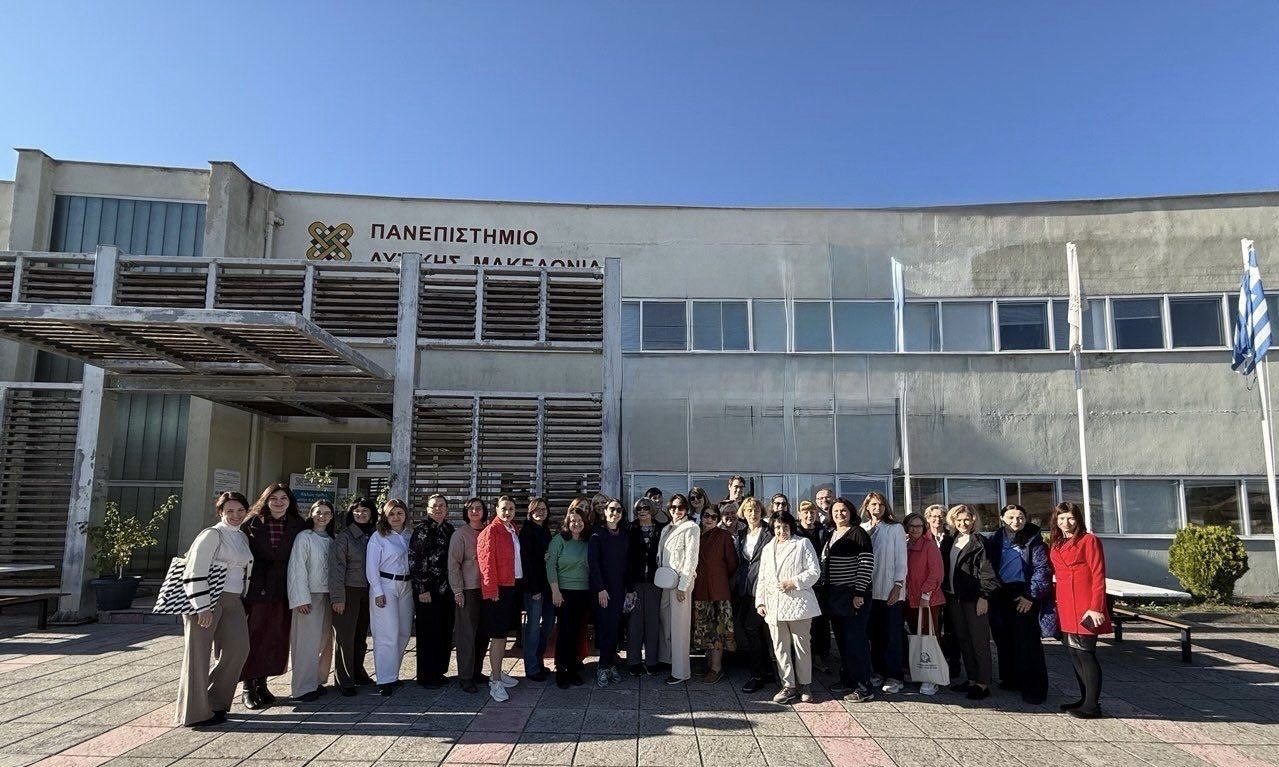
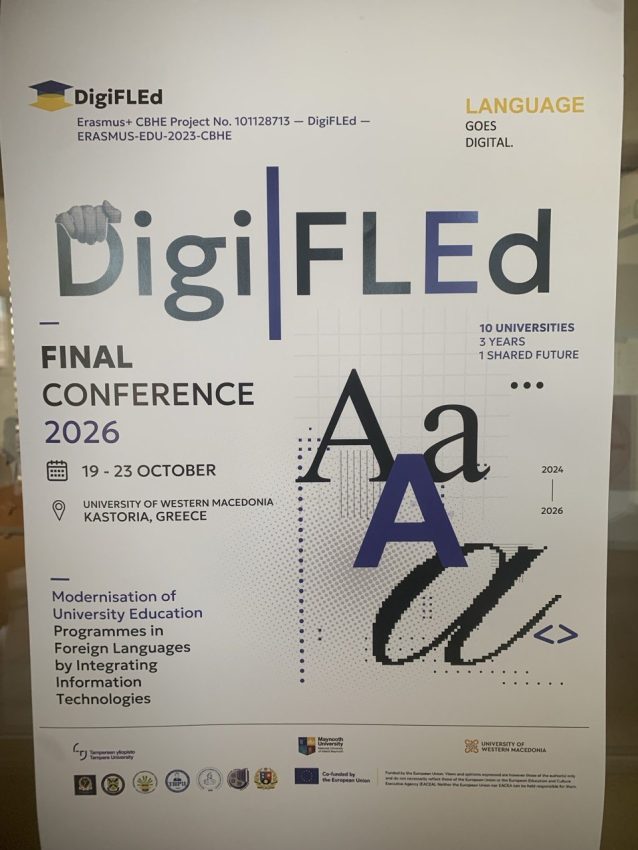
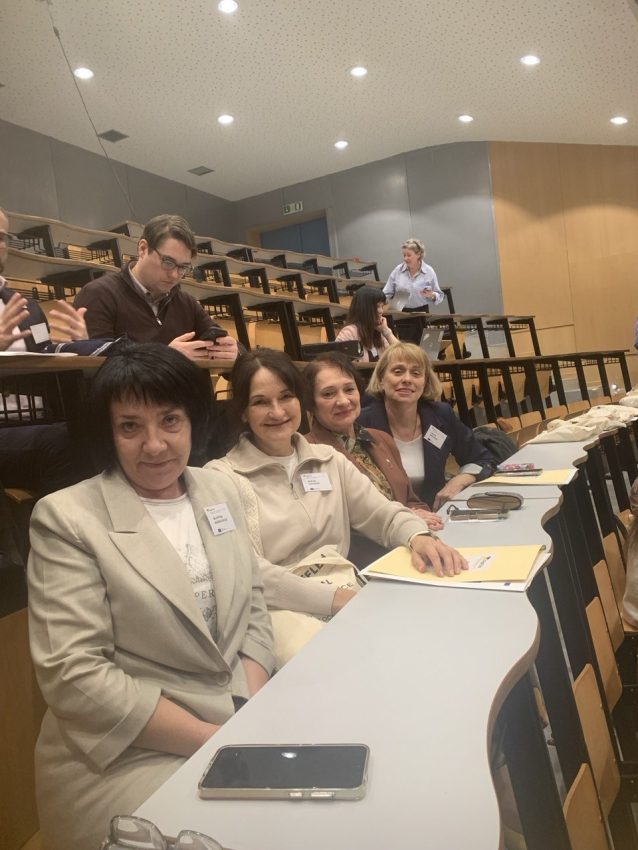
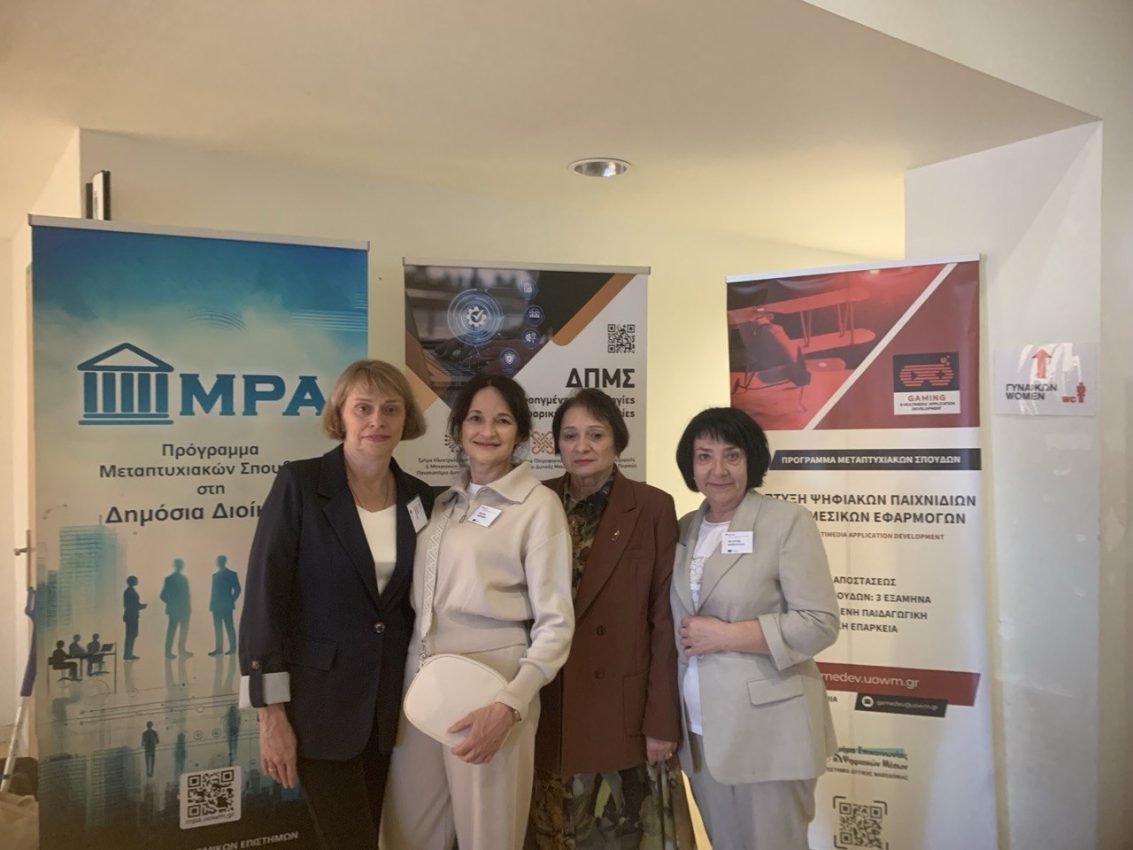
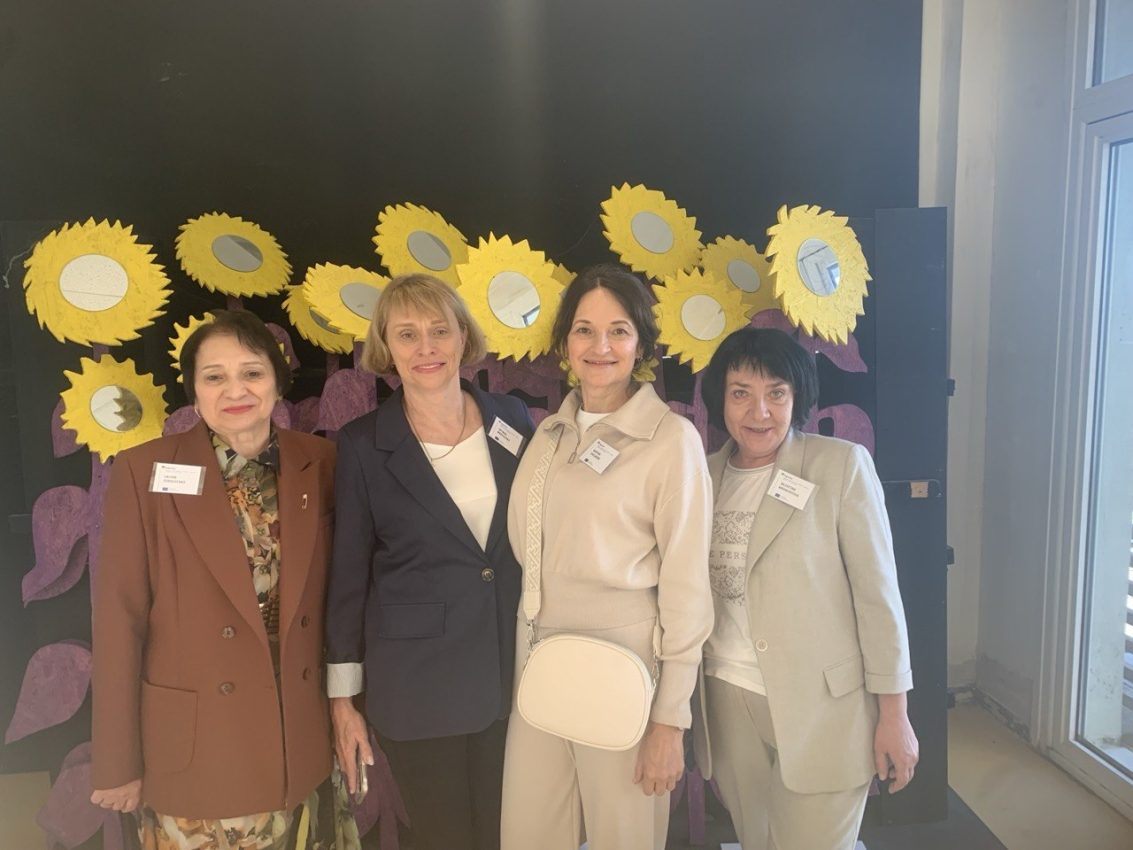
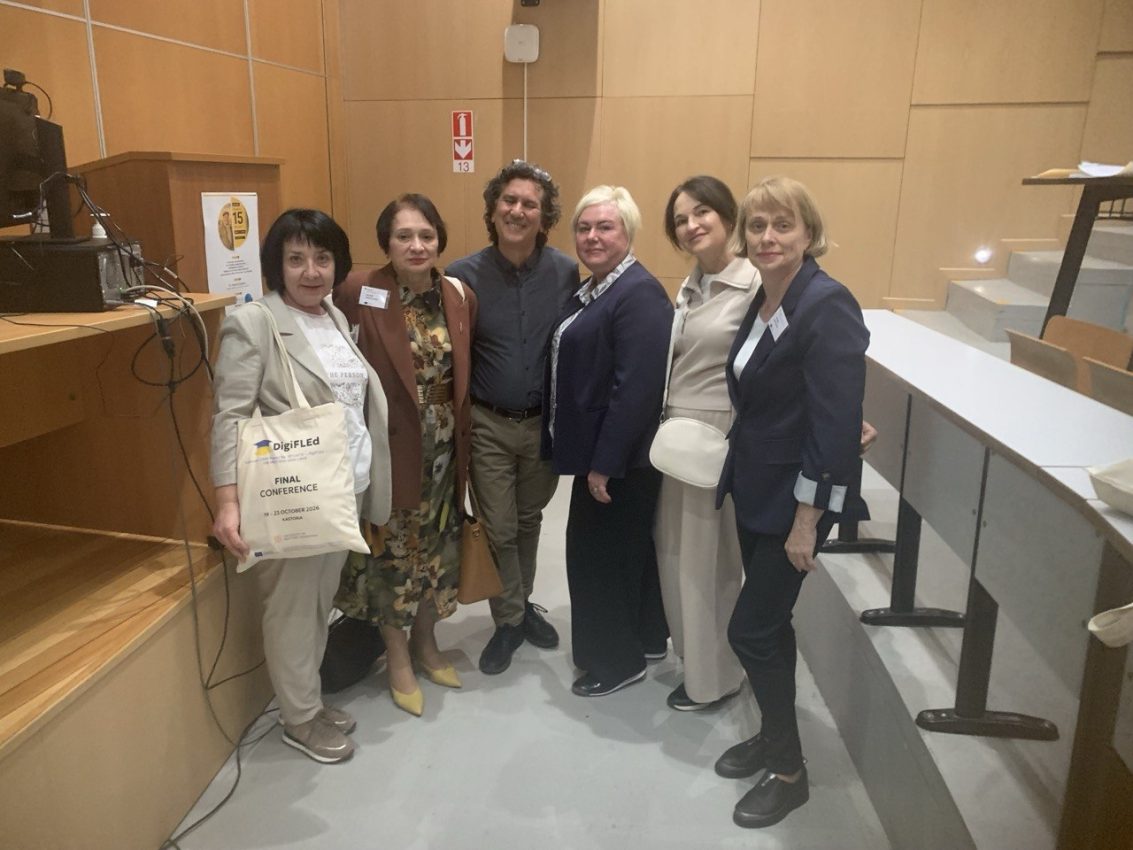
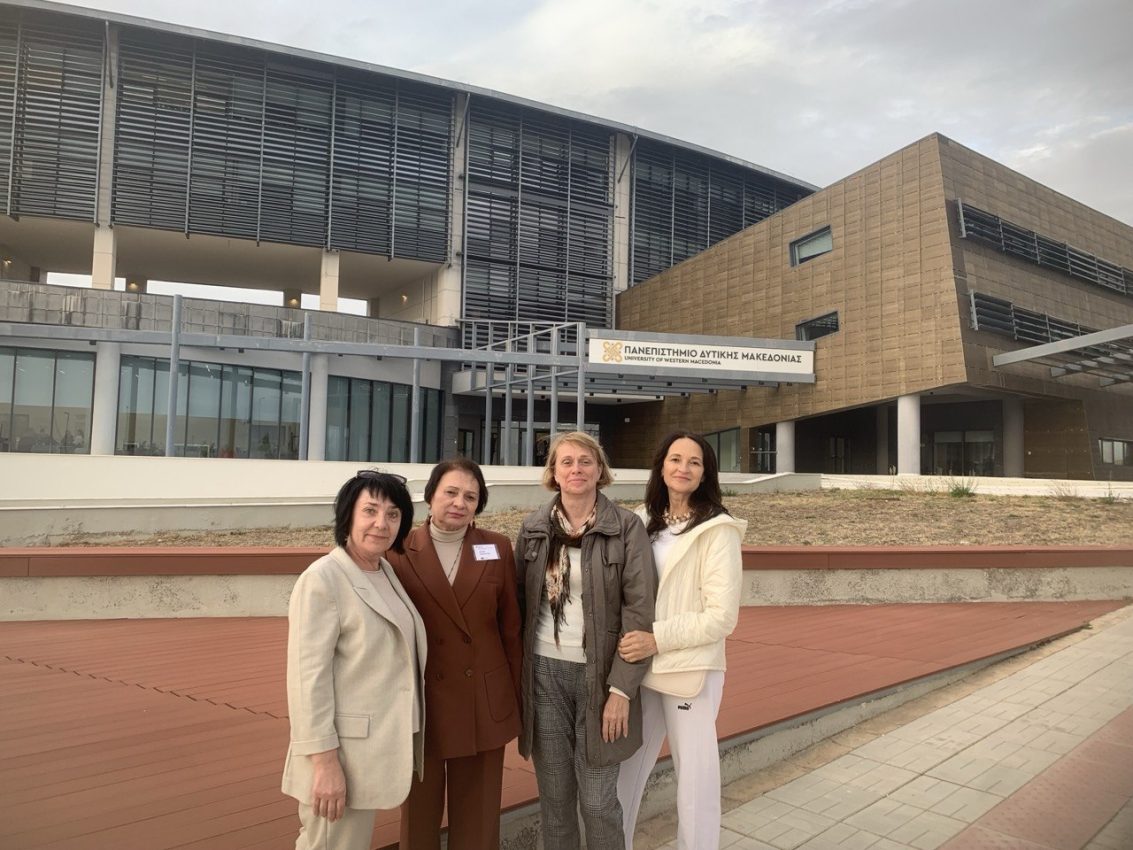
The GIIM team took part in the final conference of the international educational project Erasmus+ DigiFLEd, which was organized at the University of Western Macedonia in Kastoria, Greece. At the conference, which lasted from October 19 to 23, our institute was represented by: Director, Doctor of Philological Sciences, Professor Tetyana Marchenko; Deputy Director, Associate Professor Valentyna Marakhovska; Doctor of Historical Sciences, Professor Halyna Dokashenko; and project manager - Associate Professor of the Department of English Philology and Translation Maryna Shkuropat.
Day 1: meeting guests, getting to know the campus, workshops.
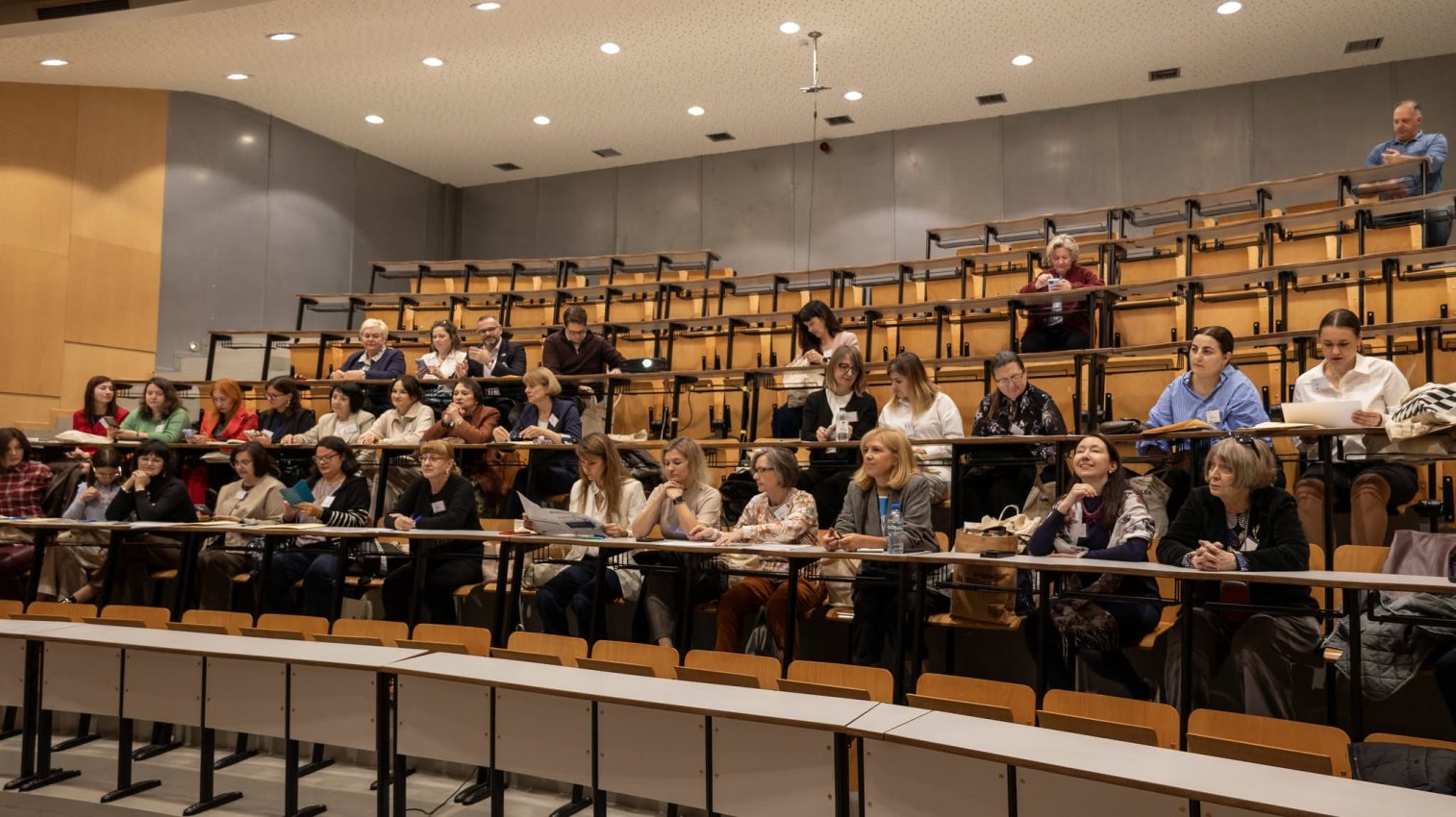
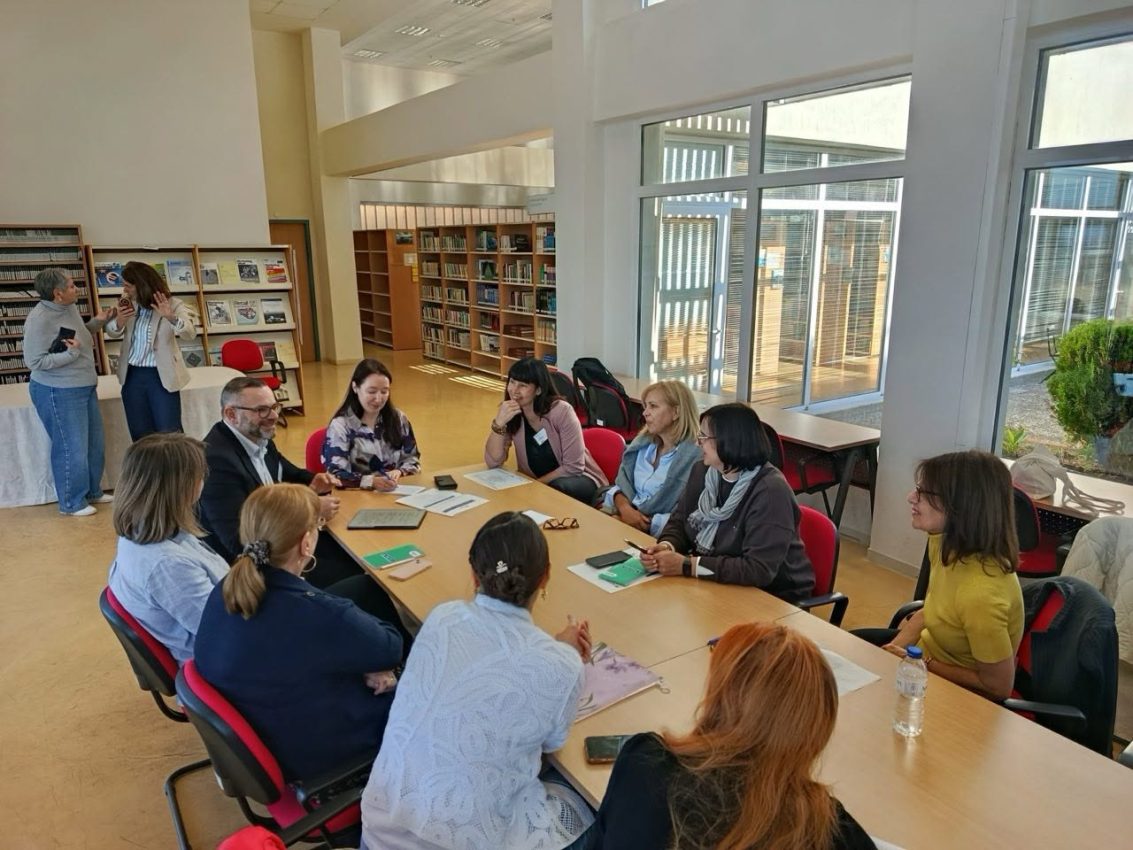
On the first day of the visit, the participants met on the university campus to finally communicate “live”, without “Zoom”. During the meeting, both the challenges and achievements of the project were discussed, and unforgettable moments of its three-year course were updated. Project Manager from the University of Western Macedonia Domna Michails outlined the program of the week. The participants expressed their readiness to turn the rich conference program into a week of inspiration, fruitful cooperation, search for new ideas and planning for future projects.
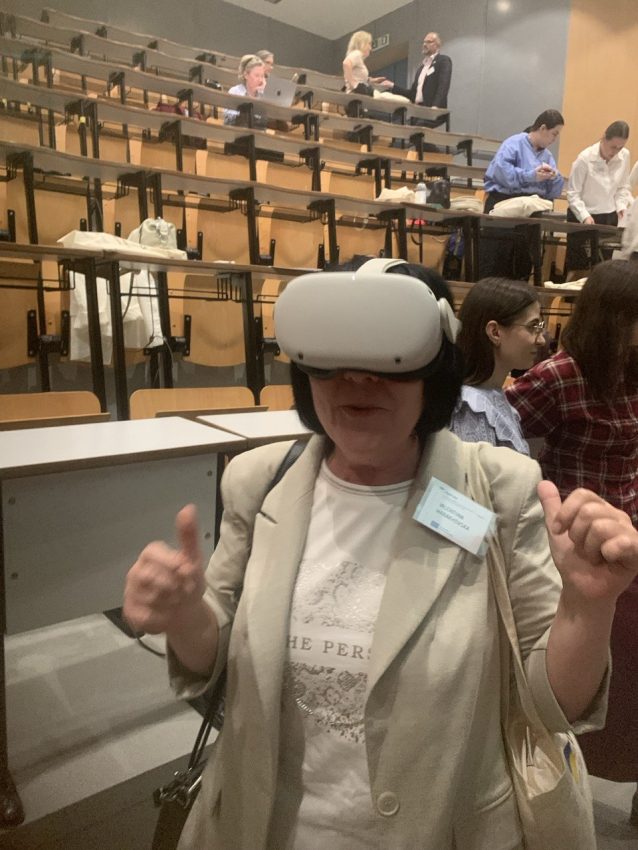
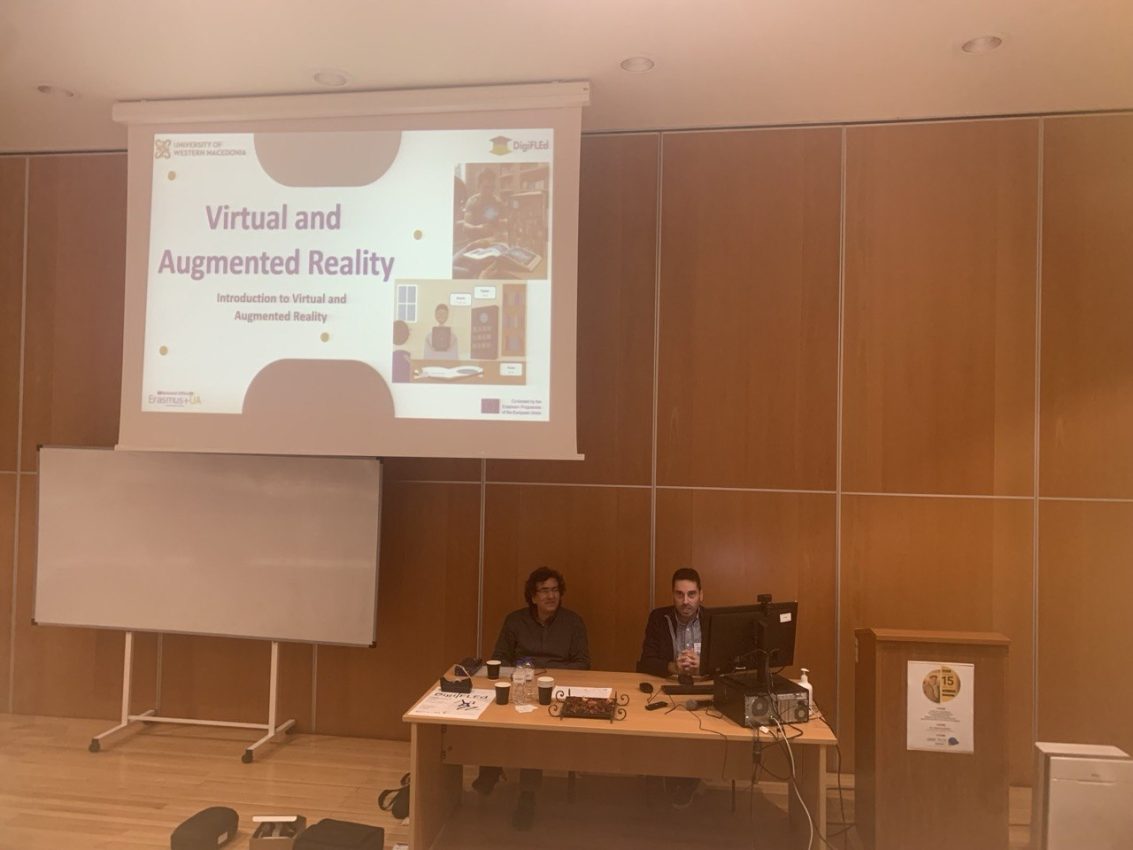
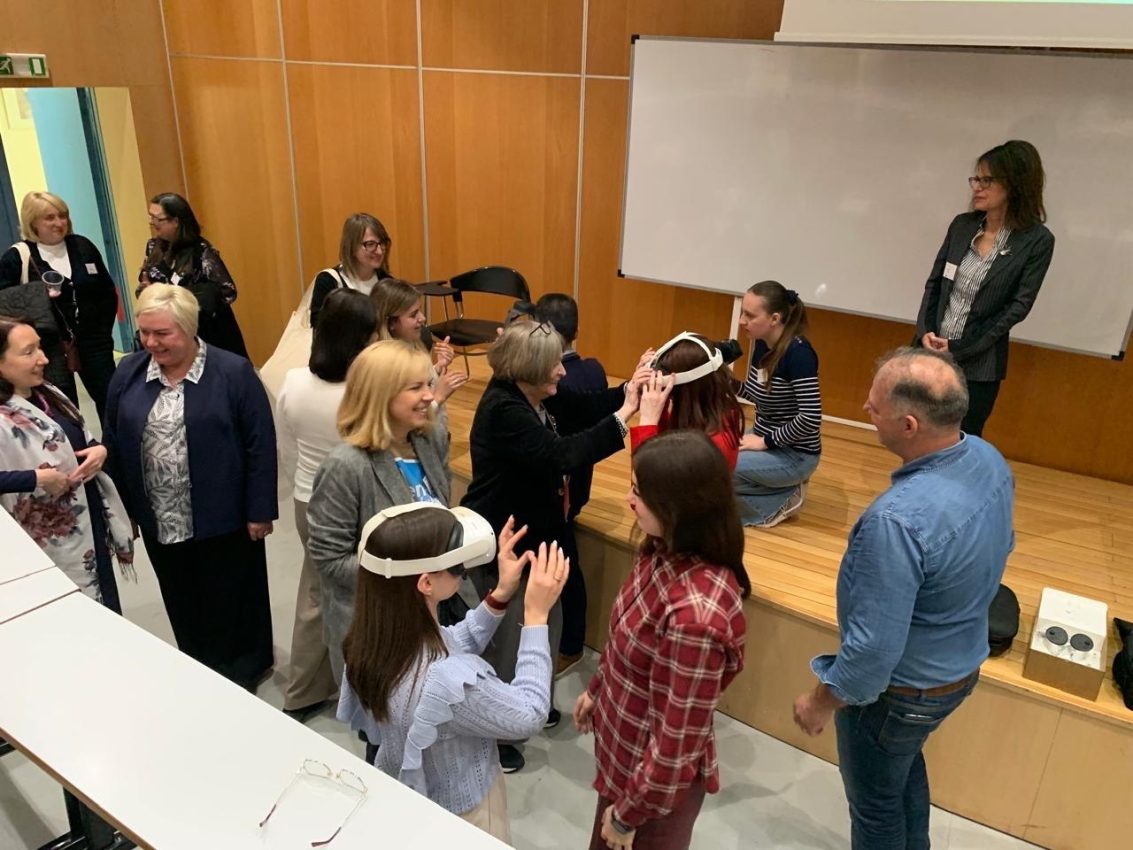
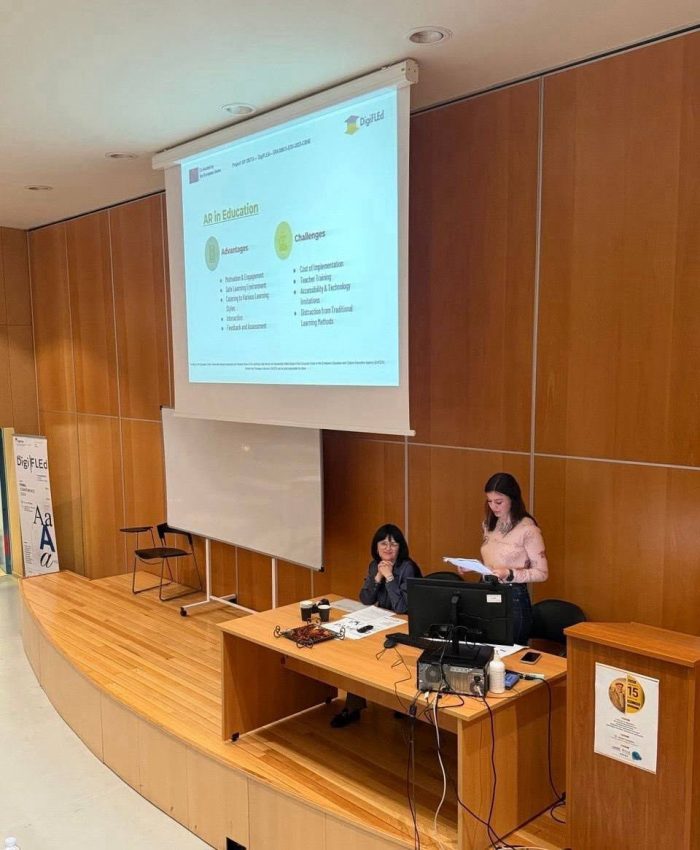
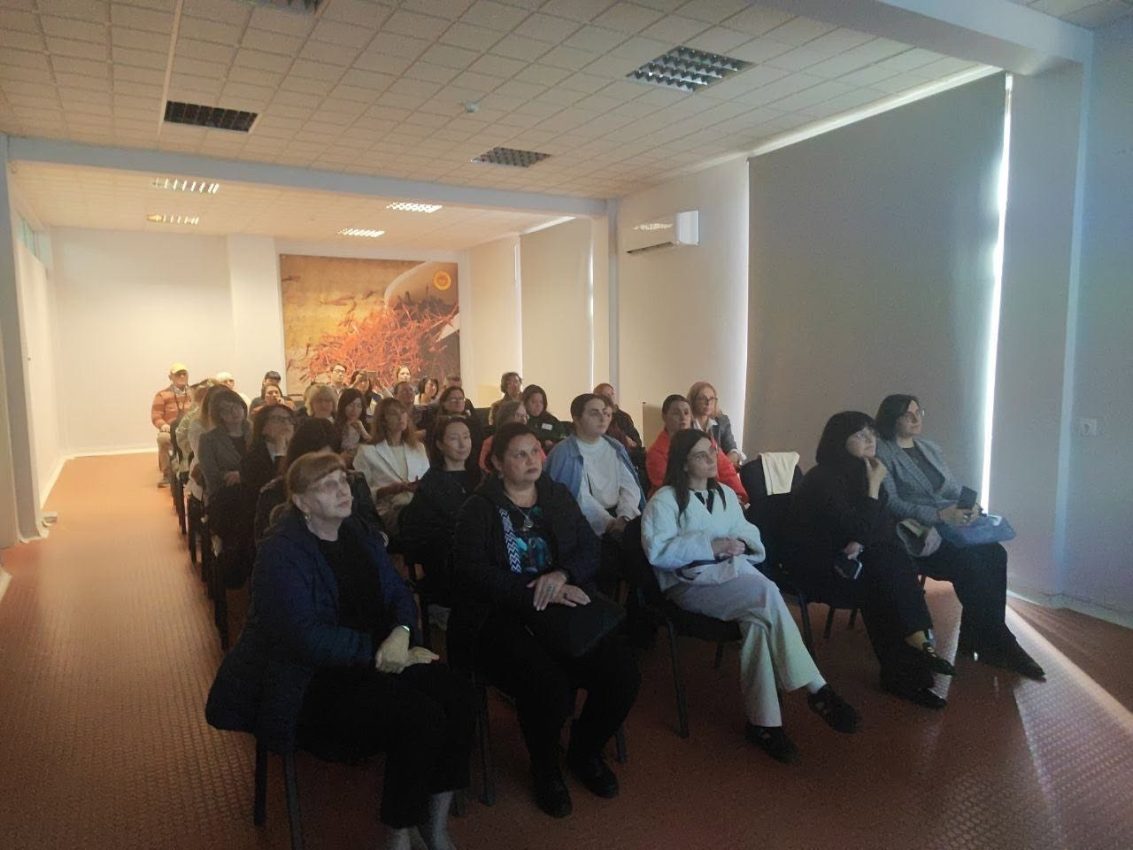
AR and VR technology masters from the University of Western Macedonia team, Alexandros Kleftodimos and Michalis Vrigkas, held a master class on the use of AR and VR technologies in teaching foreign languages and provided participants with the opportunity to gain experience using virtual reality glasses.
Day 2: results of cooperation, exchange of experiences and new perspectives
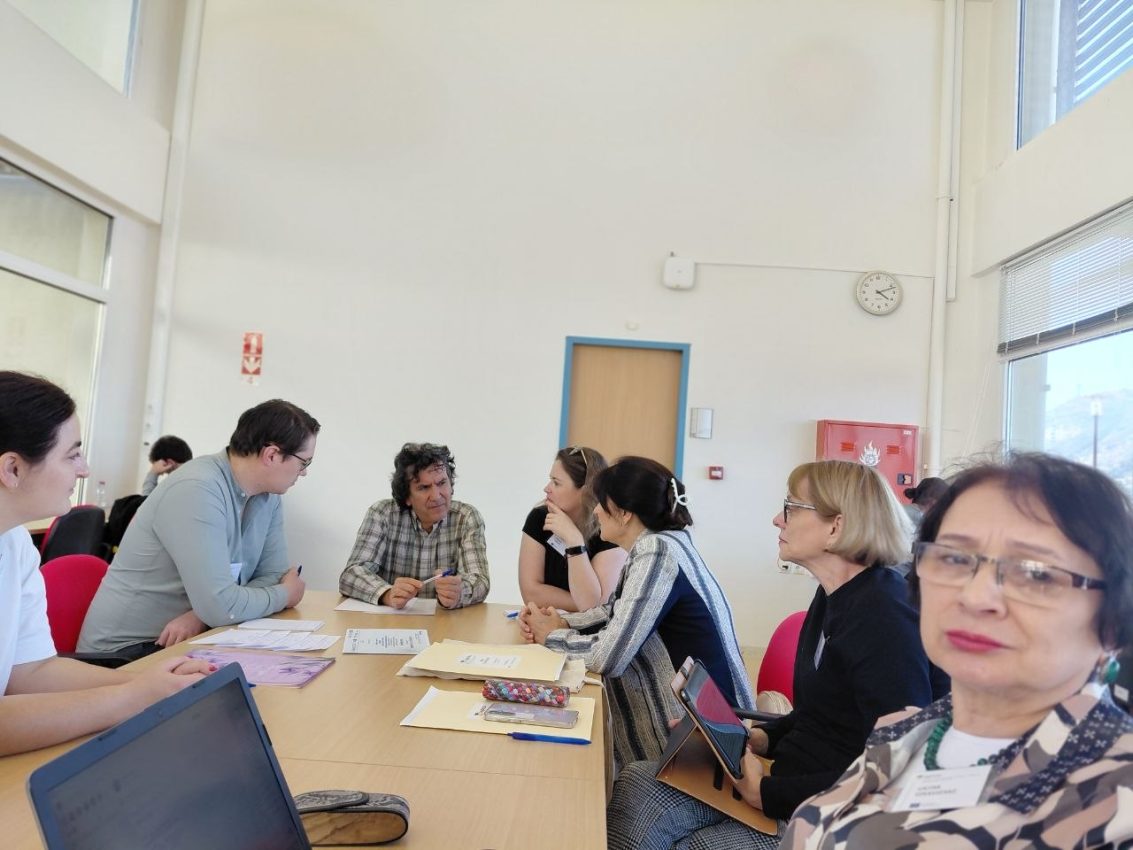
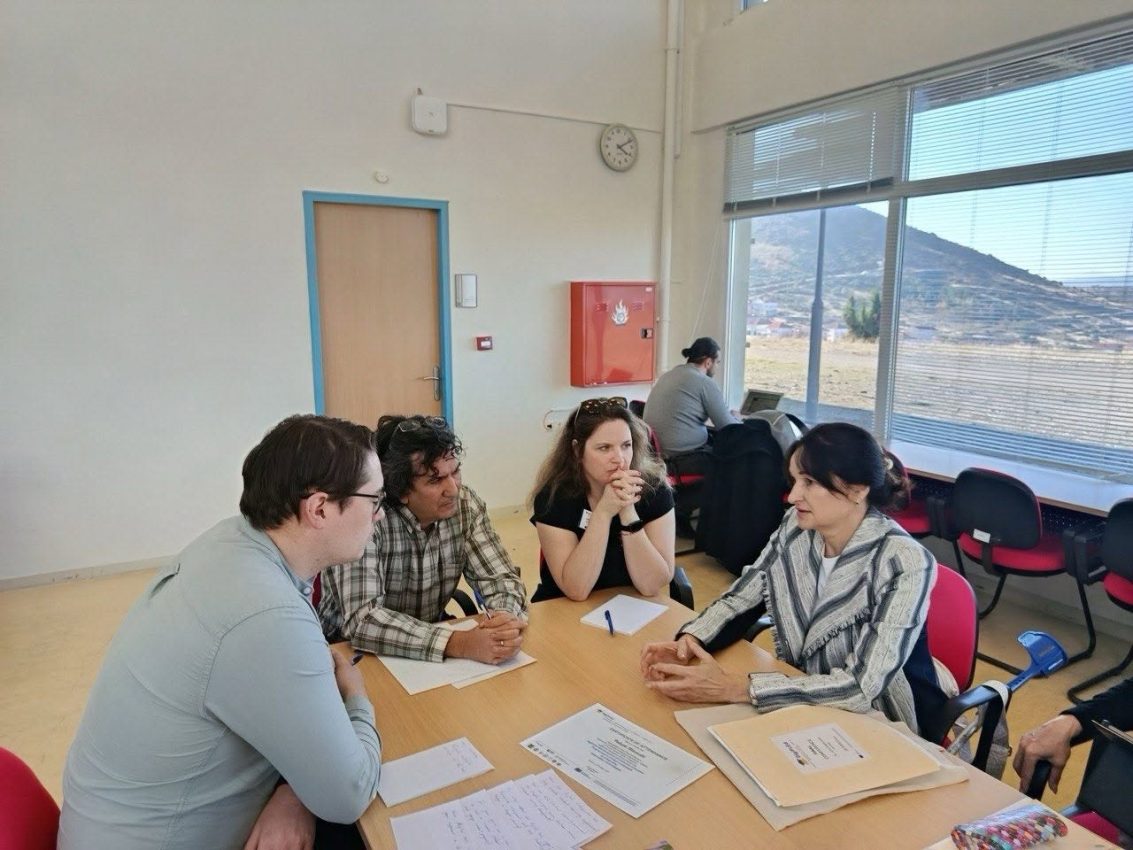
The second day of the final conference of the international project DigiFLEd started with an interactive session in the format World Café, dedicated to the exchange of experience and understanding the results of joint work.
With the participation of moderators Yuliia Shumilova, Emmanuel Kypraios, Kate Moore, Lisa O'Regan, Alexandros Kleftodimos, and Patrick Fitzerald, the participants discussed key aspects of project implementation: managing international cooperation, modernizing educational programs, and implementing digital tools in the educational process.
Particular attention was paid to the practical experience of the partner universities: successful solutions, challenges encountered, and changes in educational practice that occurred as a result of participation in the project. The discussions showed that, despite the differences in national education systems, the partners have many common challenges and opportunities for further development.
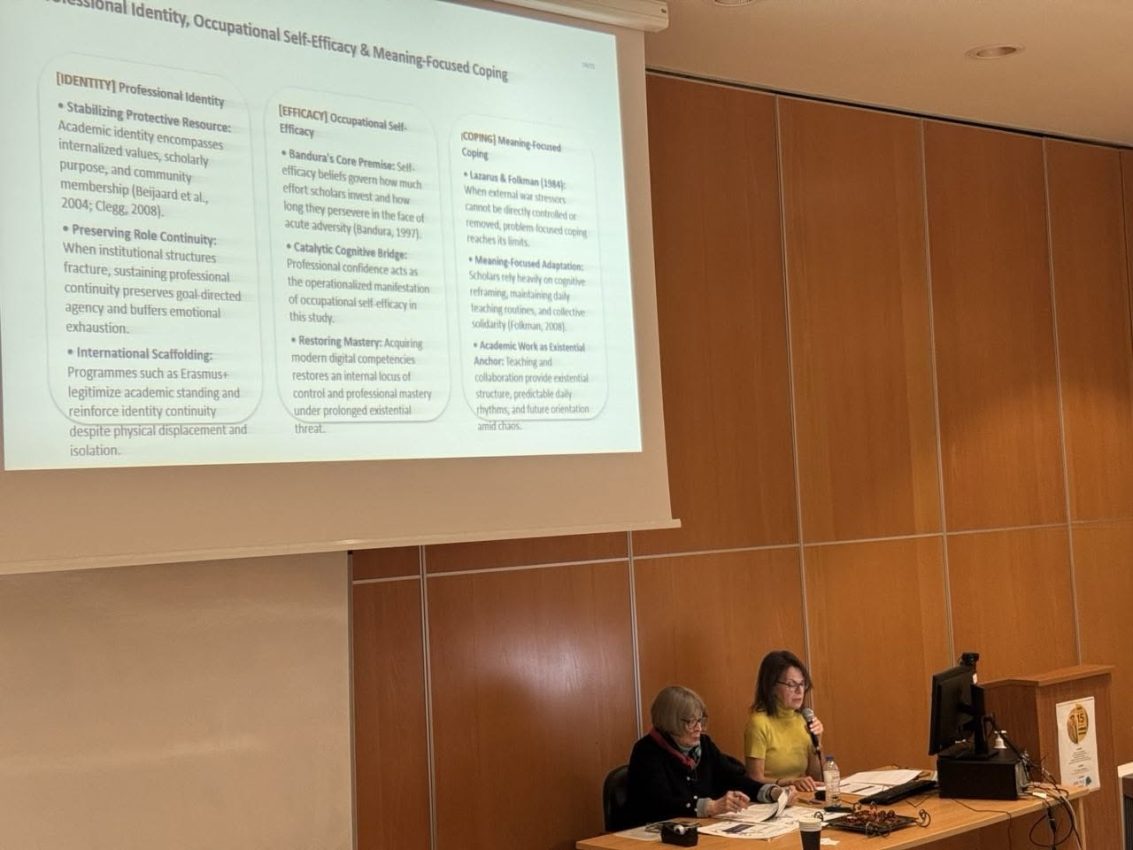
One of the most emotional events of the day was the presentation of Domna Michail and Kate Moore, dedicated to the psychological well-being and resilience of educators in the context of war in Ukraine. The speech emphasized the importance of international solidarity, mutual support, and maintaining the continuity of the educational process even in extremely difficult circumstances.
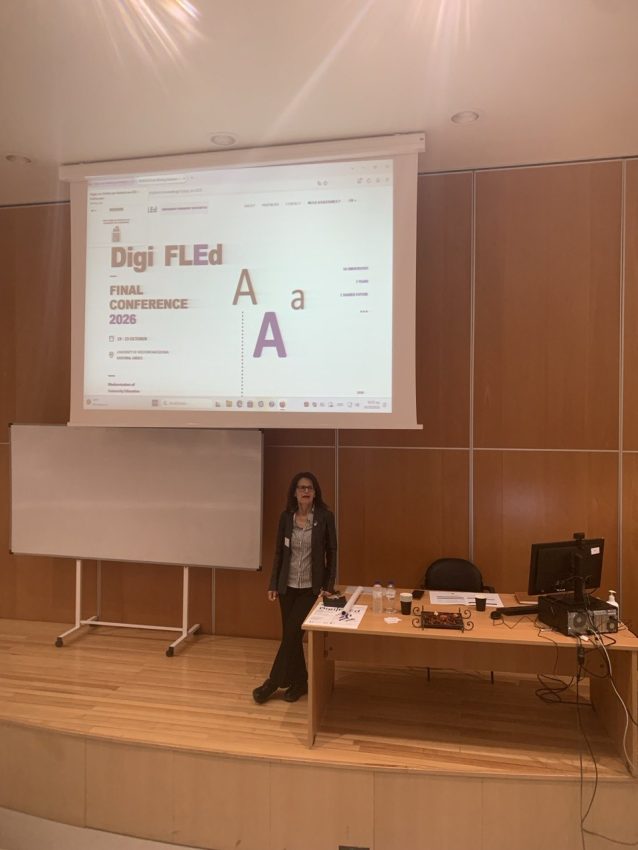
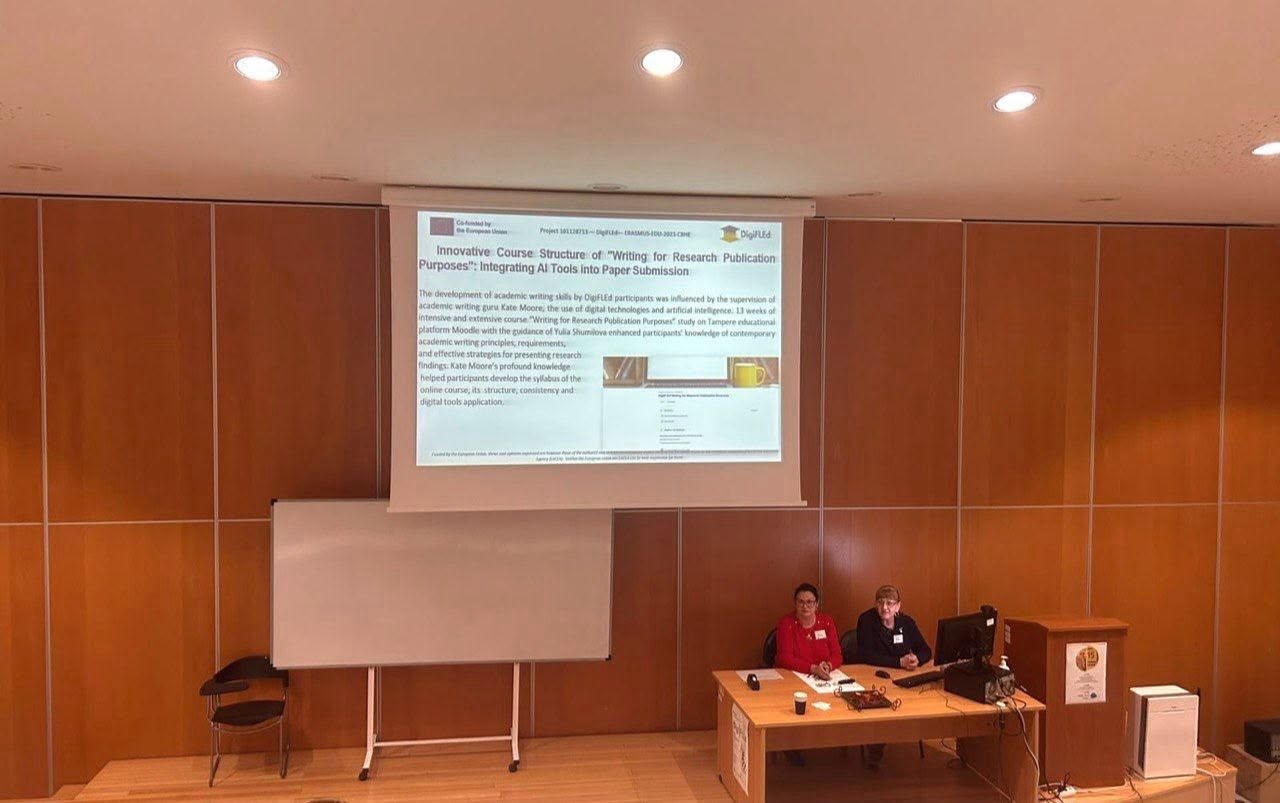
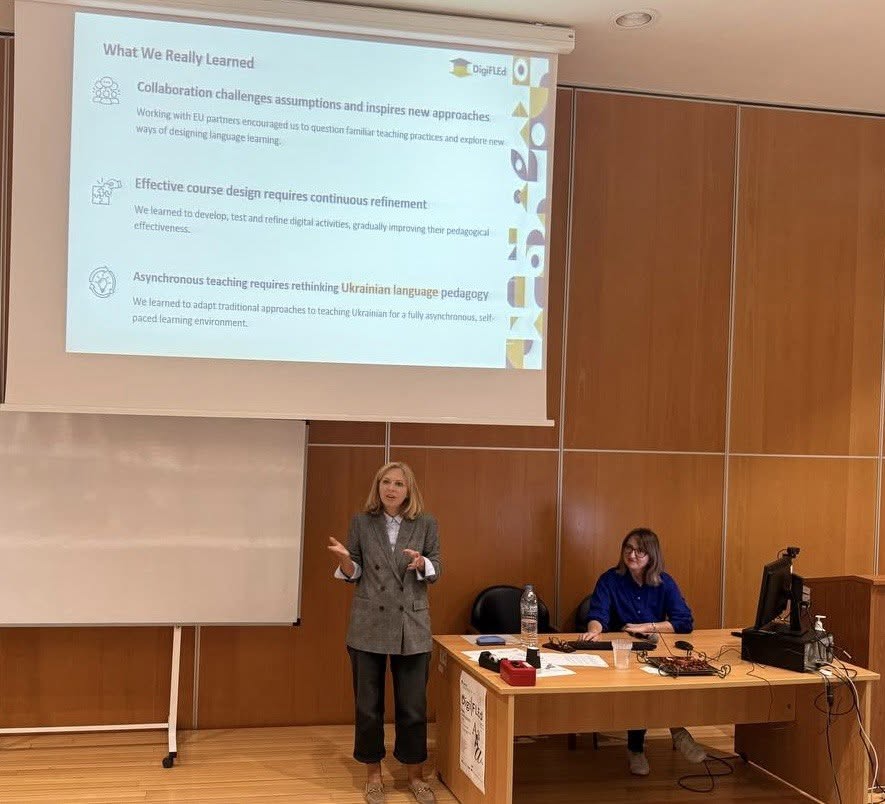
During presentations of work package results (Work Packages) participants summed up three years of international cooperation. Our institute is responsible for work package 5 in the project – development of new courses. The results of this work package were presented by the project manager Maryna Shkuropat. The speaker, in particular, presented the developed training courses, shared proven educational solutions, the results of implementing new approaches, and joint achievements of partner institutions.
Day 3: cultural program
The cultural program of the visit was bright and rich. The participants visited the main university campus in the city of Kozani. The guests were shown modern robotics laboratories, where students of engineering faculties implement their developments. The guests took part in the solemn ceremony of conferring an honorary doctorate of the Faculty of Communications and Media of the University of Western Macedonia on a distinguished UNICEF employee Ghassan Khalil and listened to a lecture about communication in the digital age and values-based leadership.
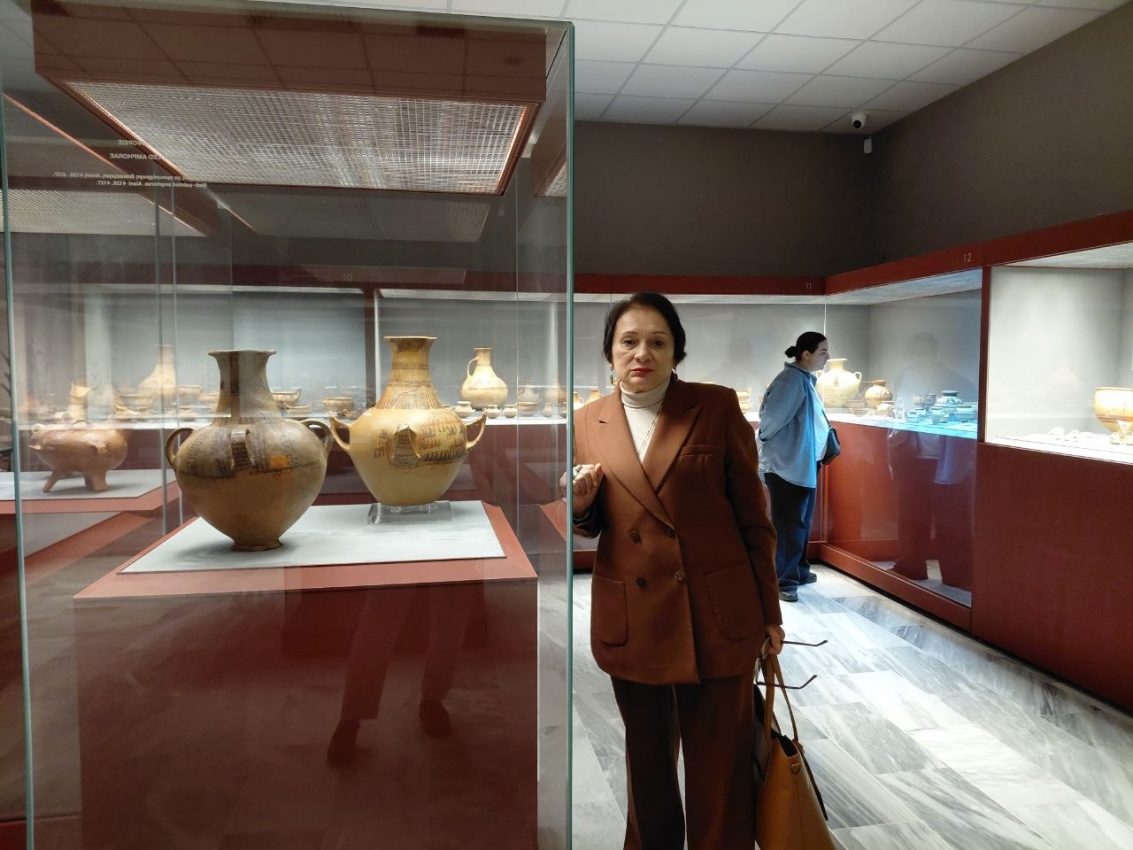
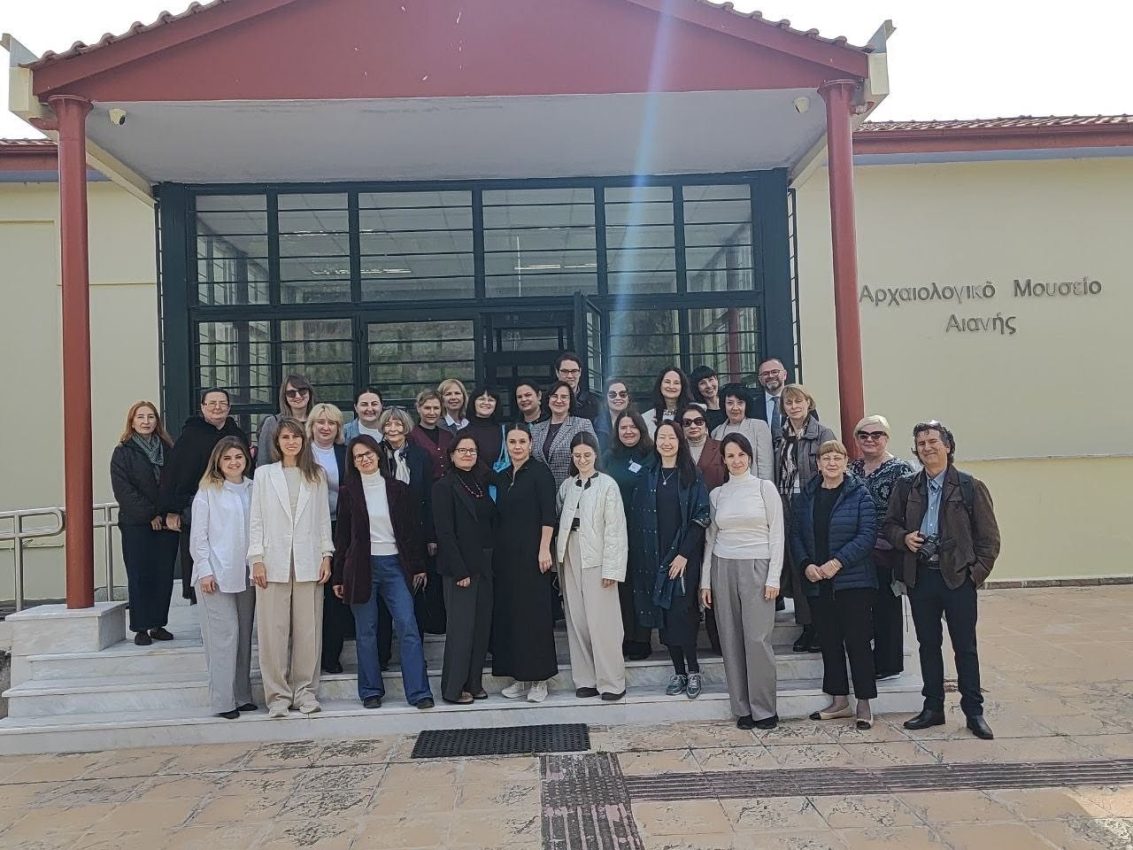
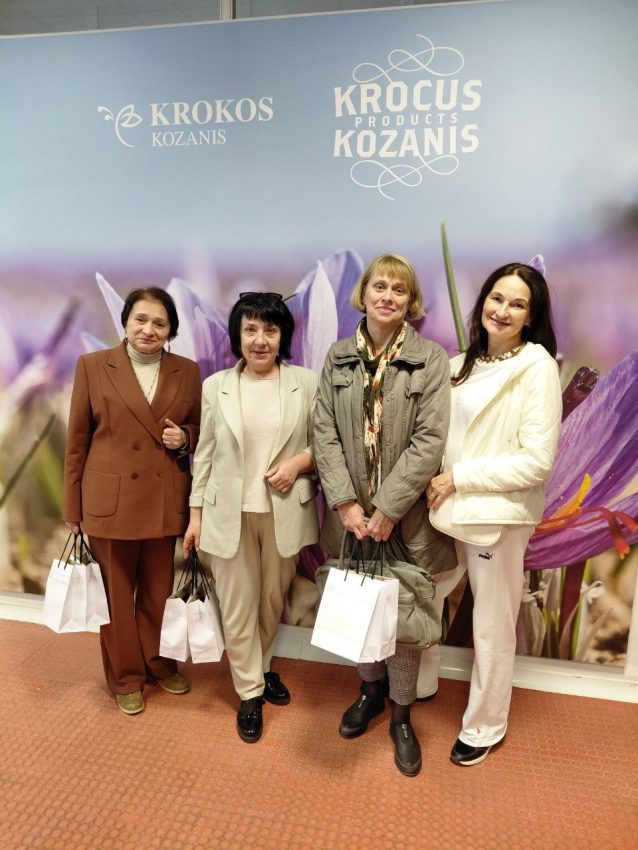
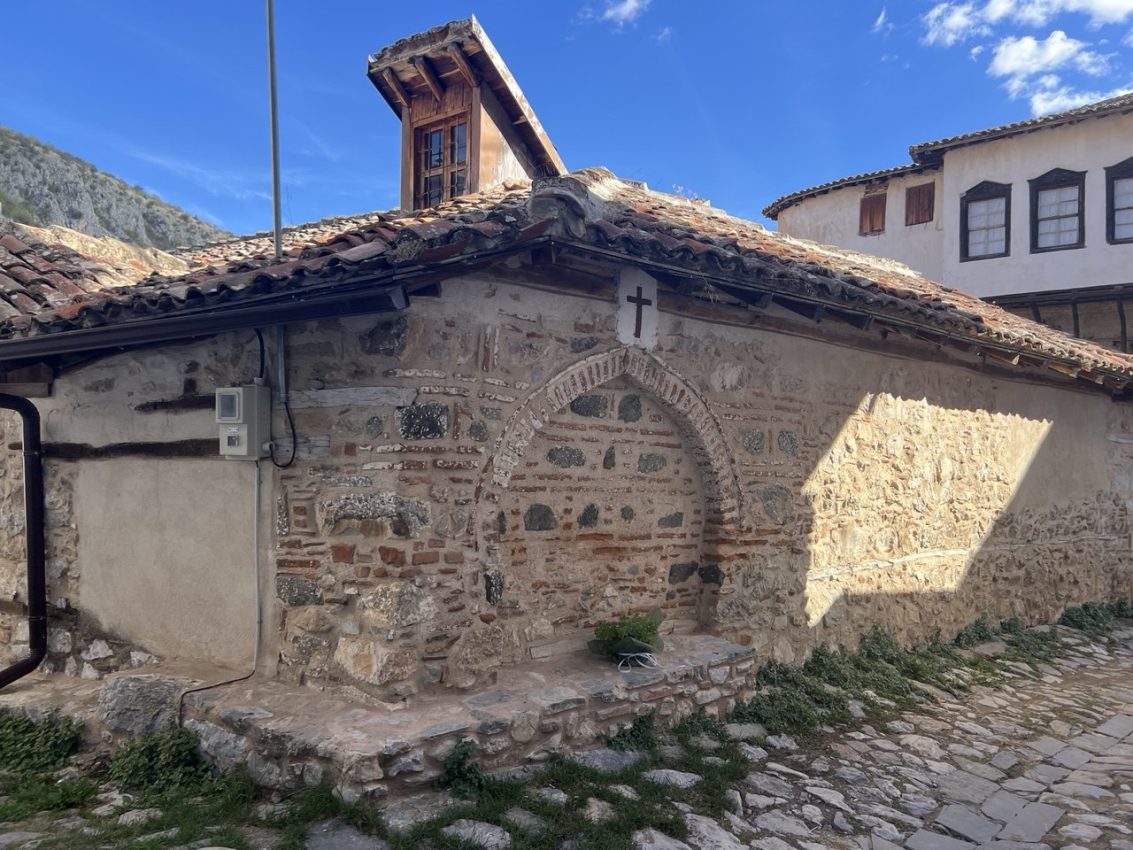
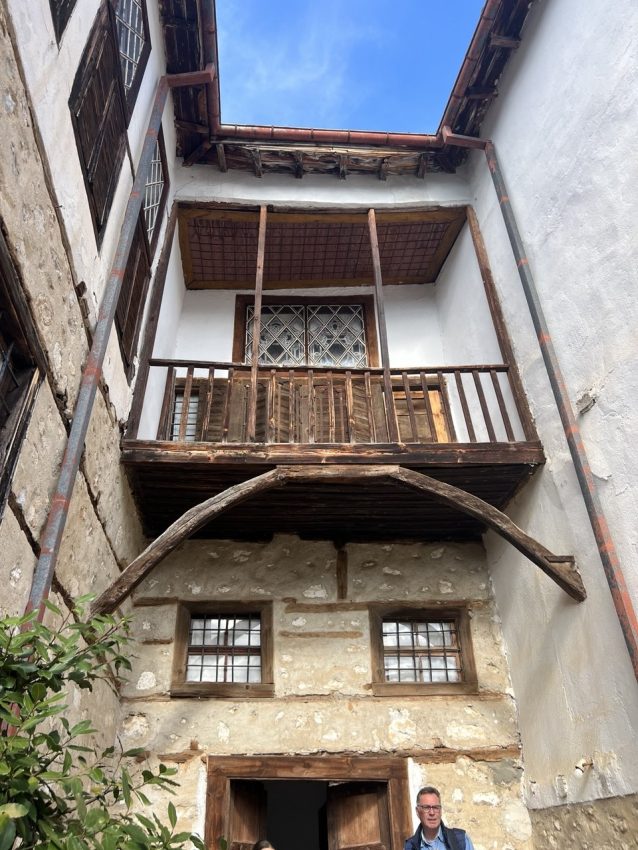
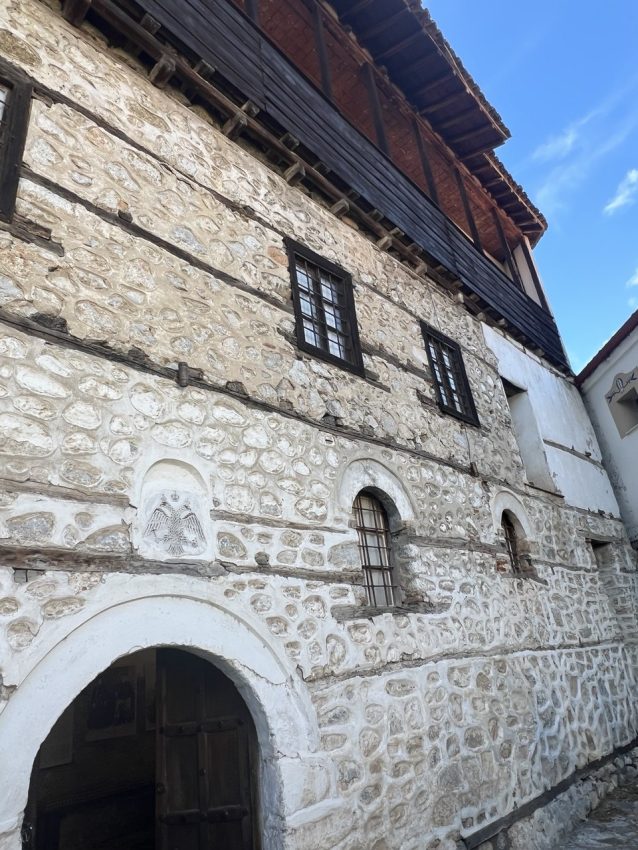
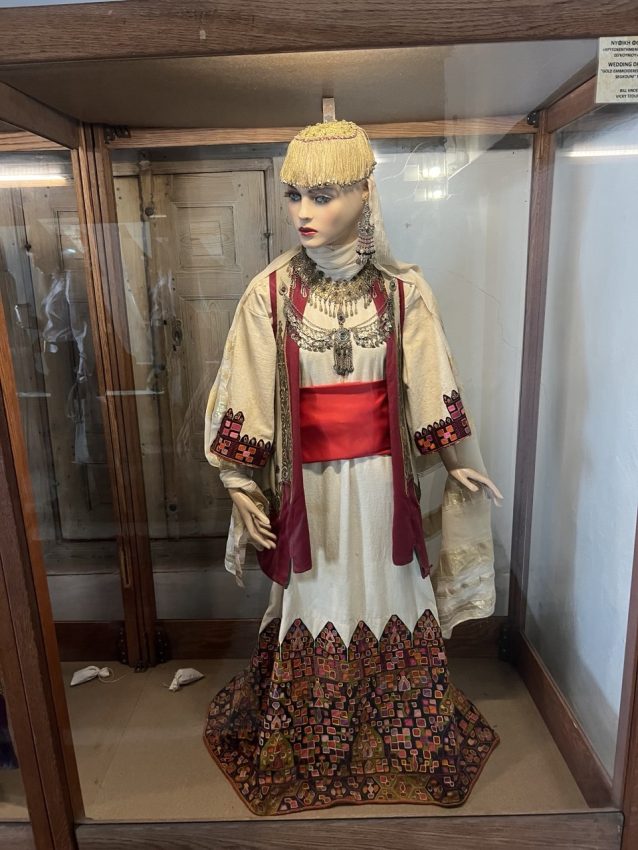
On this day, the guests also visited the ethnographic and archaeological museums, a cooperative enterprise for the production of the valuable spice - saffron - in the town of Krokos. The employees of the enterprise told the guests about the peculiarities of saffron crocus cultivation in the climatic zone of Western Macedonia and marketing techniques that ensure the competitiveness of saffron from Greece on the world market.
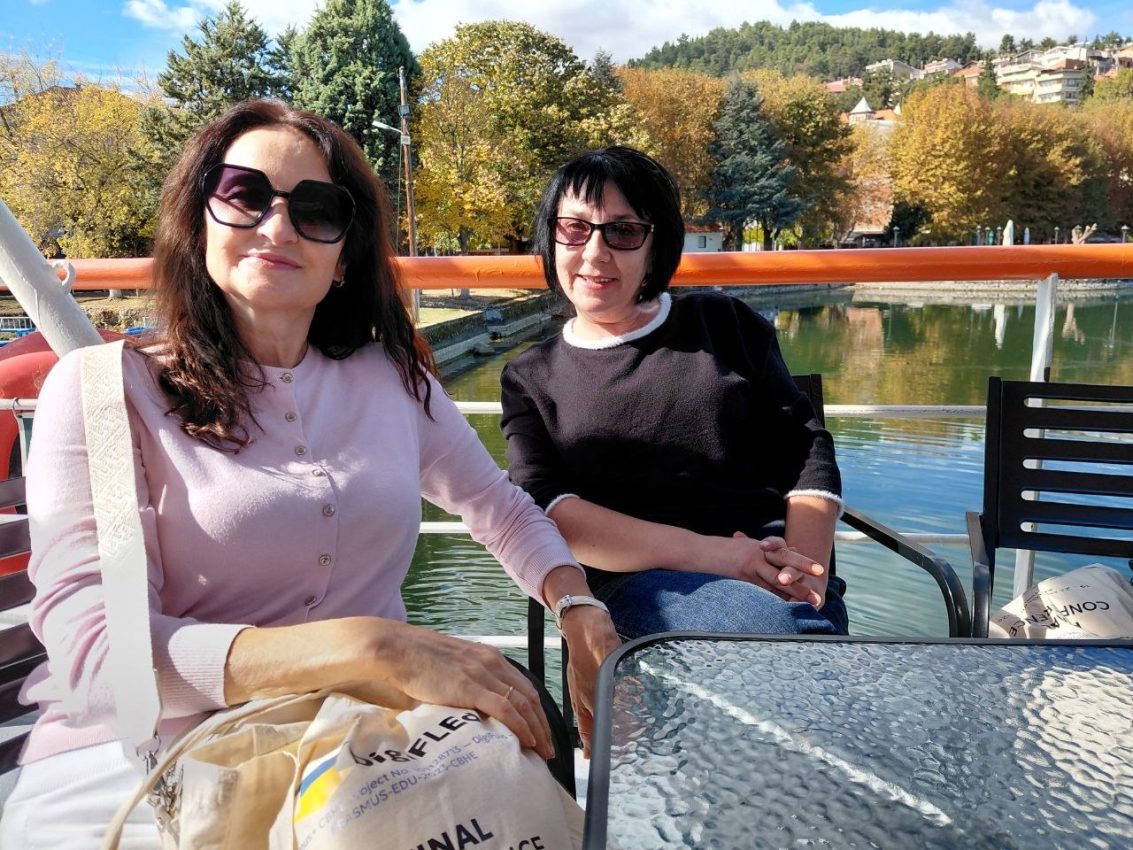
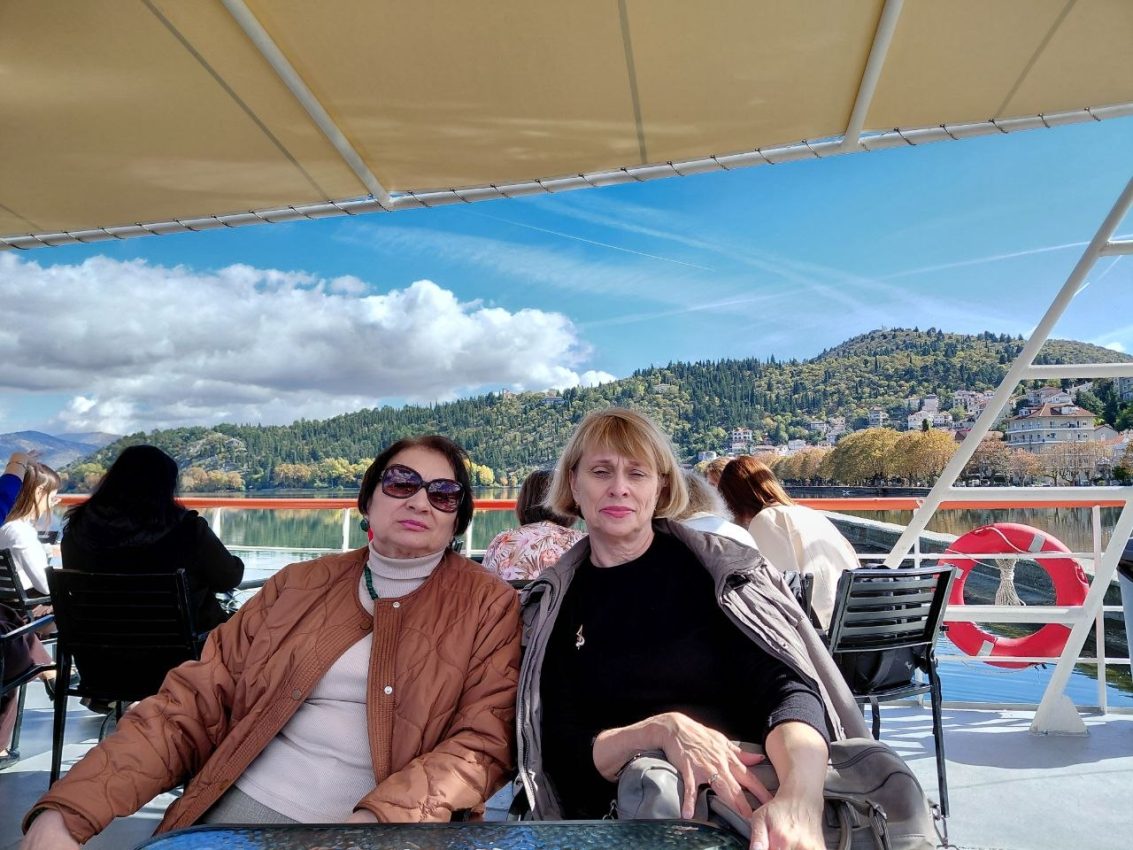
Each of the excursions was unique, provided new experiences and enriched the guests' knowledge about Greece, its past and present.
Day 4: Project managers meeting, summing up and planning the final stage
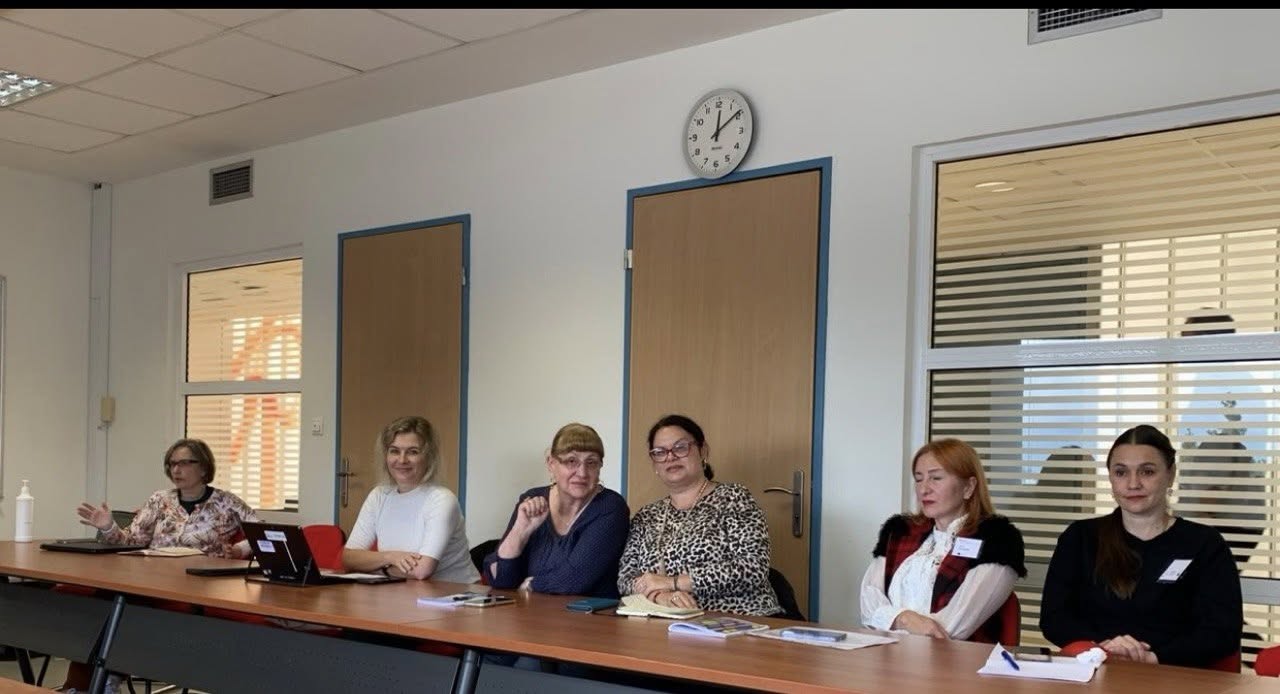
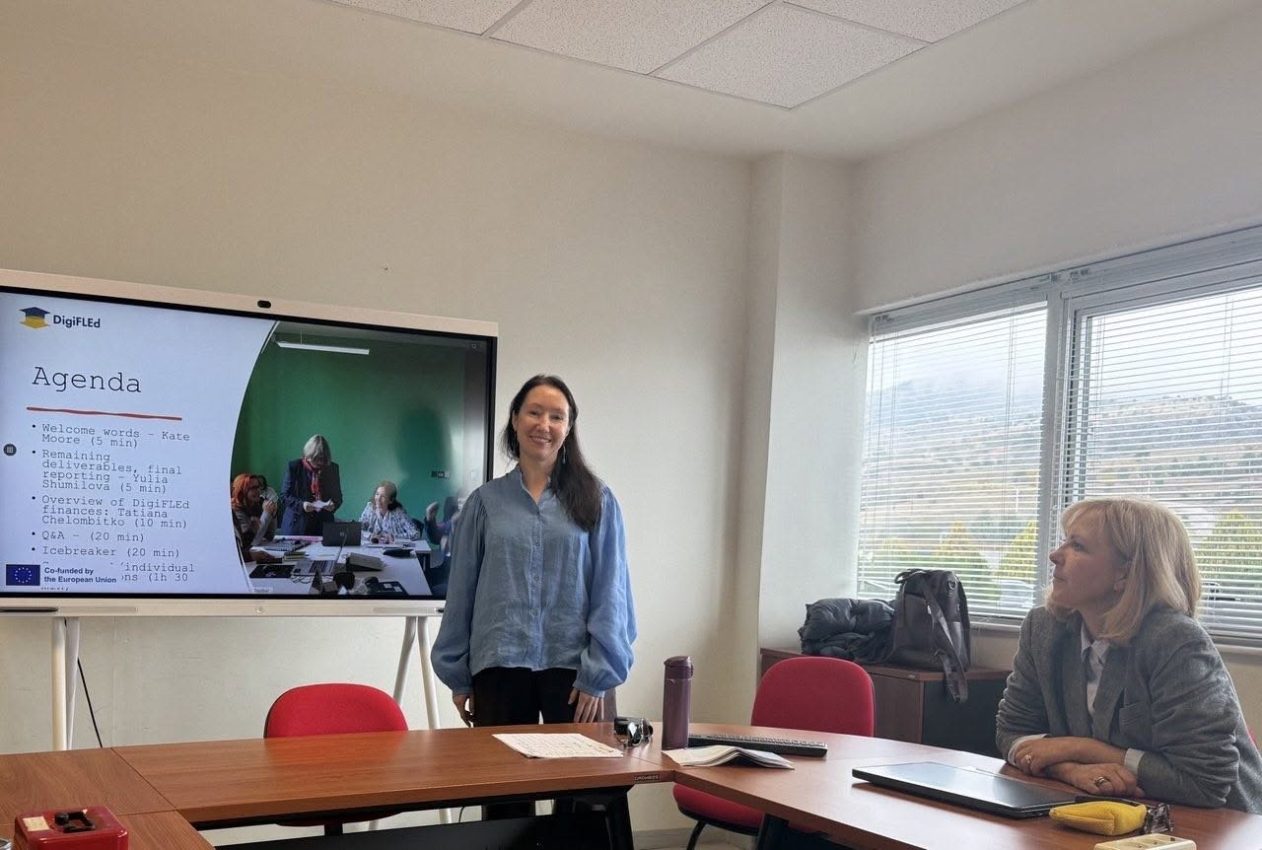
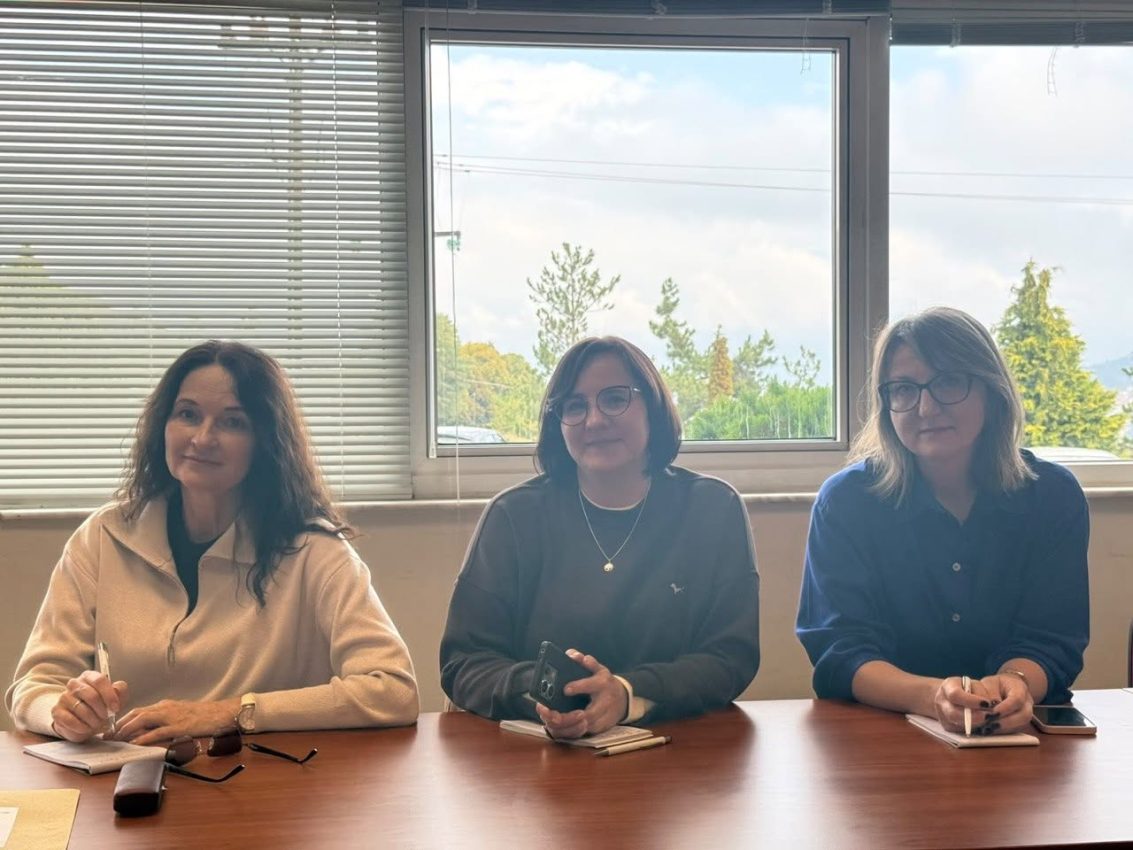
On the fourth day of the meeting, project managers DigiFLEd came together to discuss the tasks that remain to be completed before the project's completion in 2026. The focus was on key deadlines, final deliverables, and the final steps needed to successfully complete all planned activities.
After the working session, the participants moved on to discuss the project's greatest achievements, unexpected challenges, and important lessons learned during the DigiFLEd implementation. A special place was taken by memories of interesting moments that usually remain outside the pages of official reports, but are an integral part of teamwork and team spirit. These conversations became an opportunity not only to remember the path traveled, but also to realize the scale of the achieved results and the contribution of each partner to the development of the project.
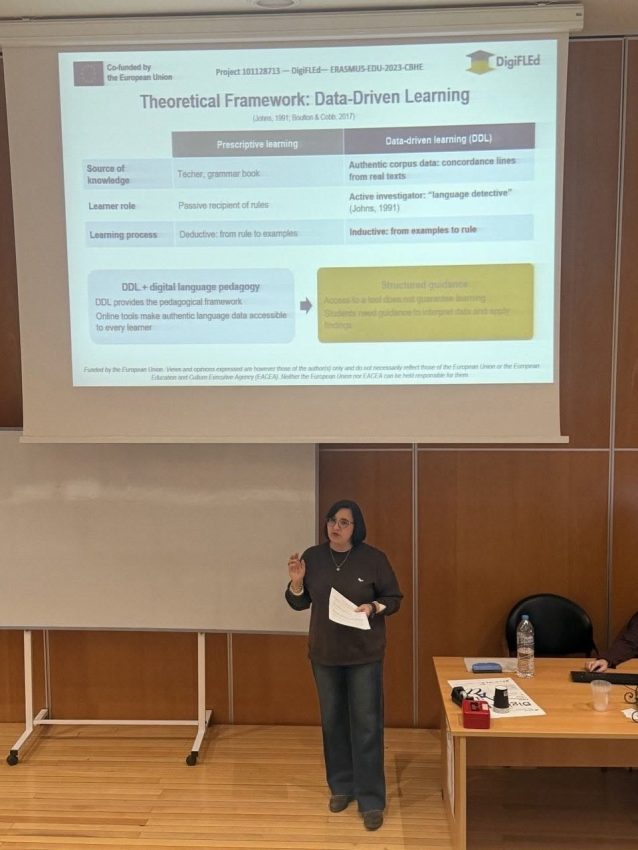
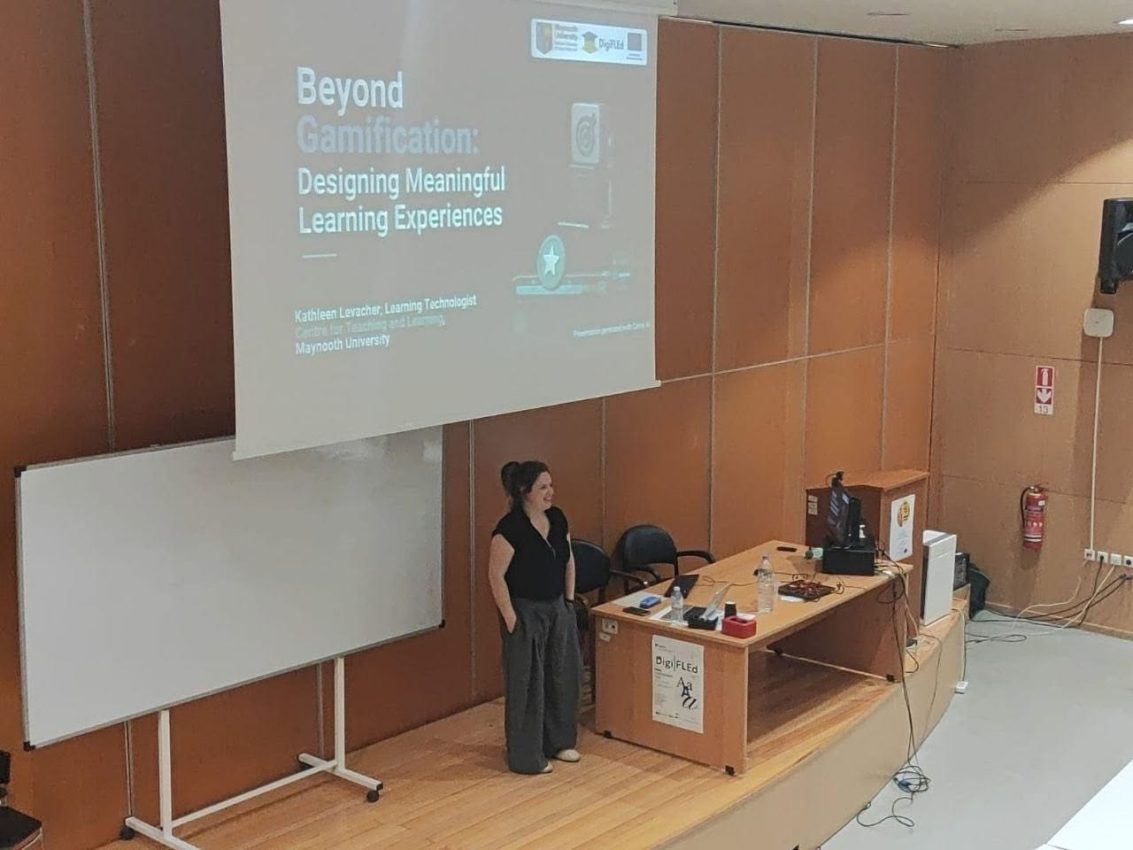
The day's program also included presentations by project participants who shared their own experiences, acquired knowledge, and practical results of implementing innovative approaches in their universities and classrooms. Special attention was paid to how the acquired competencies are already being applied in educational practice.
Day 5: results and prospects
On the fifth day of the visit, a series of brainstorming sessions were held, during which participants proposed promising ideas for creating the next Erasmus+ proposals. The discussions were lively and interesting. Ukrainian and European partners agreed to continue consultations and discussions after returning to their countries. All confirmed their intention to ensure the sustainability of the DigiFLEd project achievements in the future.
The final conference was not only an opportunity to evaluate the results of DigiFLEd, but also provided an opportunity to celebrate the value of professional connections, mutual trust, and support formed during the project.
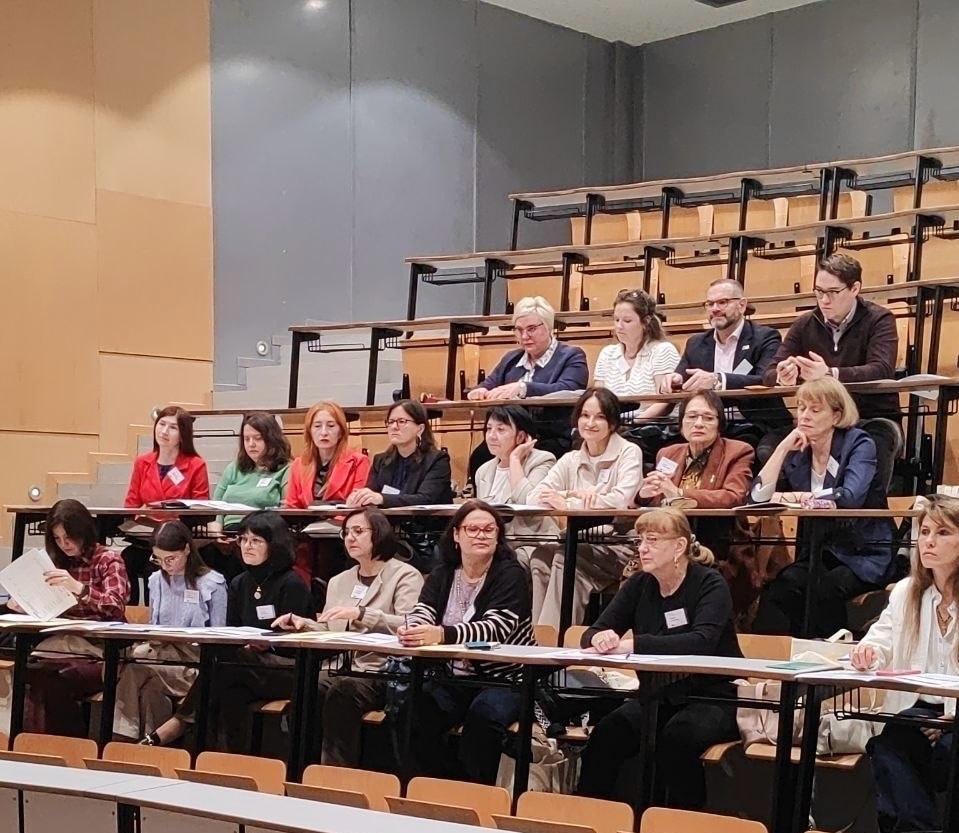
We sincerely thank all DigiFLEd participants and partners for their professionalism, openness to new ideas, support, and teamwork!
The project is coming to an end, but its results, acquired knowledge, new ideas, and partnerships remain the basis for further cooperation and development of education.
