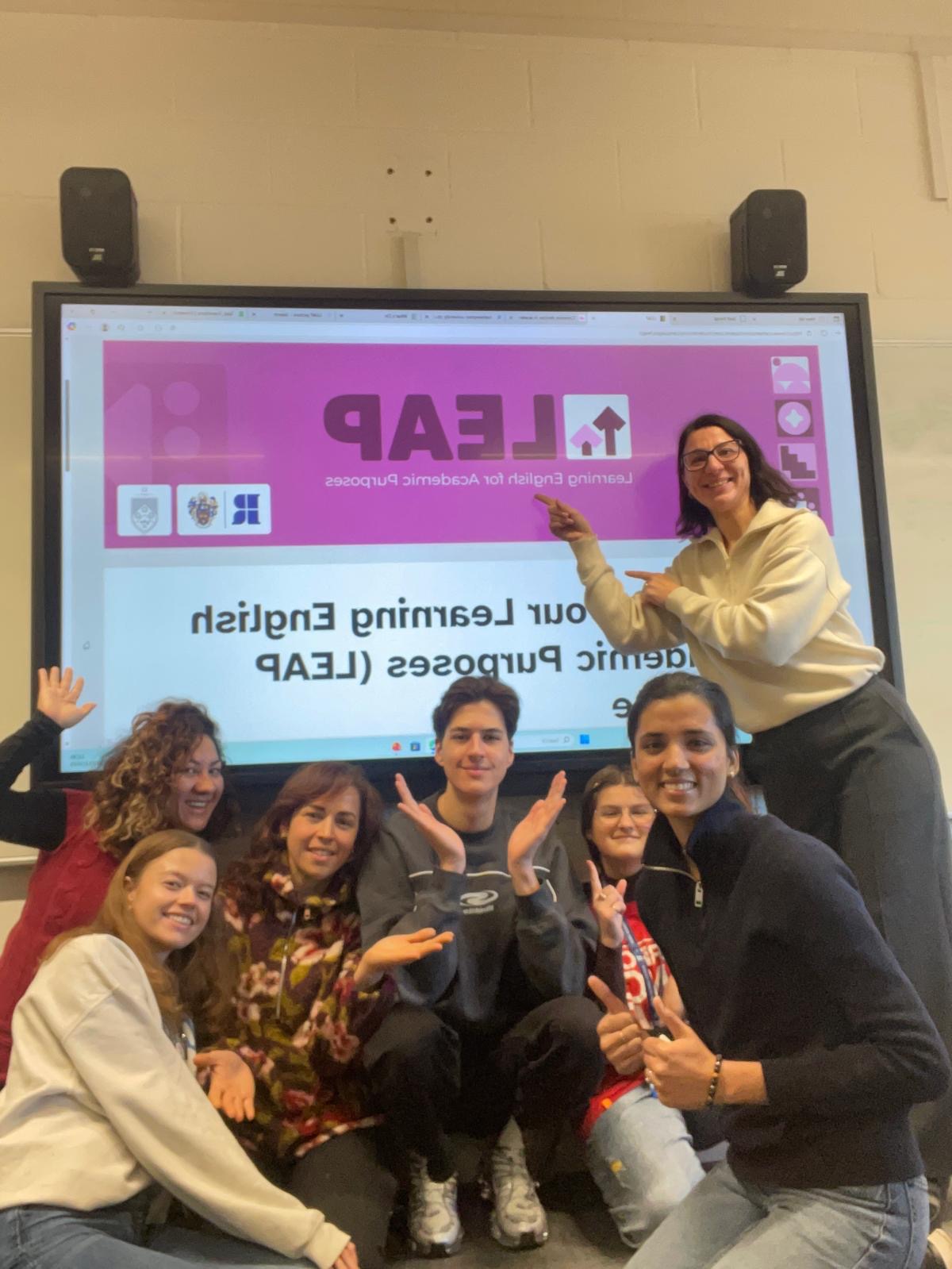
Today, Ukrainian science is holding the domestic front. But not only holding, but also actively integrating into the global research space, despite the challenges of war. It is very pleasing that the scientists of the institute are not an exception, because they actively work in international projects and programs, gaining experience in communicating with international partners.
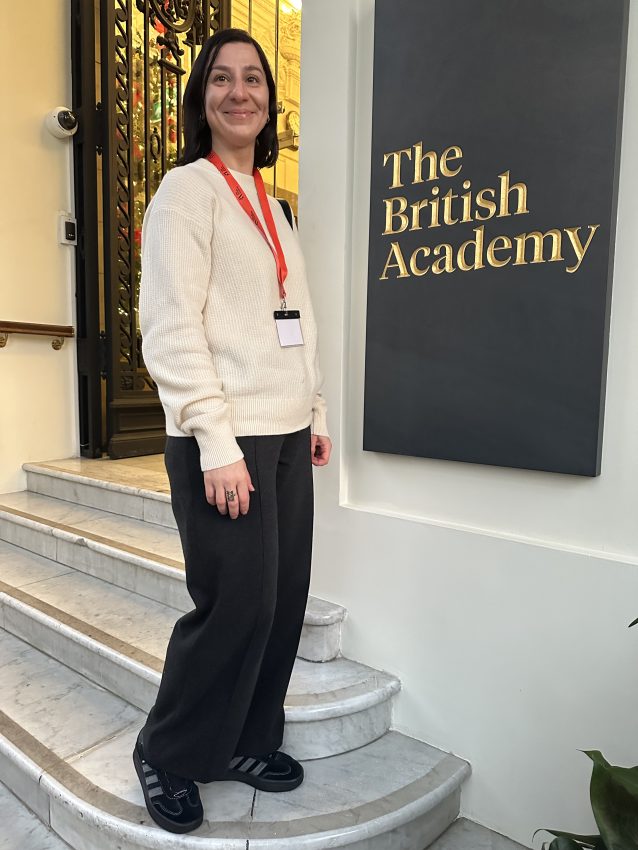
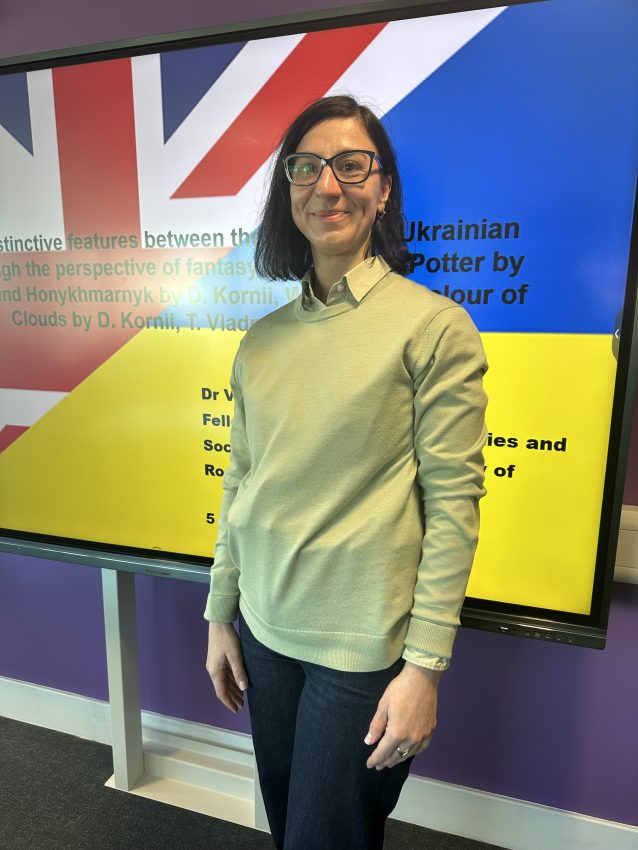
Today, our interlocutor is a candidate of philological sciences, associate professor at the Department of English Philology and Translation. Victoria Andrushchenko, who became a participant in the prestigious program “The British Academy Researchers at Risk Fellowship Programme”.
Becoming part of this program from the British Academy has given her the opportunity to continue her scientific work. We talked about her journey from forced relocation to collaboration with leading British institutions, as well as how British grants help save Ukrainian intellectual capital and Why the voice of a Ukrainian scientist is more important today than ever.
Viktoriya Olegovna, how did you find out about the British Academy’s “Researchers at Risk” Fellowship Program? / “The British Academy Researchers at Risk Fellowship Programme” and what was decisive in choosing the University of Roehampton in the UK?
I learned about the Scholarship Program while actively searching for international support programs for academics while abroad after enrolling in doctoral studies at Vasyl Stus Donetsk National University. I came across information about the program quite by accident. The program fully met my scientific needs and research goals. The decisive factor in choosing the University of Roehampton was the willingness of the management to support my application for participation in the program, which was a key condition for participation.
What were your first impressions of the academic environment in London?
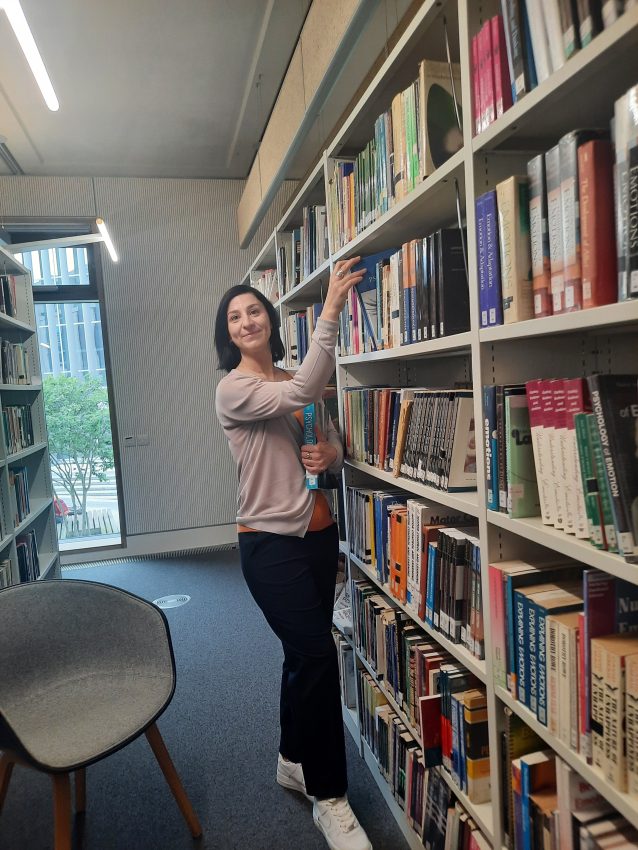
My experience was extremely positive. I felt the genuine support of the University of Roehampton and the British Academy: I was welcomed hospitably, introduced to the teaching staff of the School of Arts, Humanities and Social Sciences, assigned a mentor, provided with a workplace and issued a pass that gave access to library resources and all the amenities on campus.
What was particularly striking was that despite the multicultural nature of the academic environment, everyone treats each other with respect, values time and personal boundaries. Each meeting is planned in advance, which creates a sense of organization and mutual respect.
I can't help but remember the picturesque university campus with parks, lakes, swans and squirrels (squirrels are everywhere, even in central London), a powerful academic base with a large library and access to digital educational and scientific resources, comfortable living and leisure conditions for students and teachers with a developed infrastructure of clubs, gyms, canteens and mental well-being centers (mental well-being hubs). And everything is for a person. Even if you are a representative of another culture, the campus has all the conditions for maintaining your identity (communities): celebrating national holidays of different countries, tasting favorite dishes, singing native songs – everything that helps you feel at home. As Paddington, the symbol of Britain, says: “In London everyone is different, and that means anyone can fit in”/ “In London, everyone is different, which means everyone can fit in”.
What surprised you most about the British higher education system compared to the Ukrainian one?
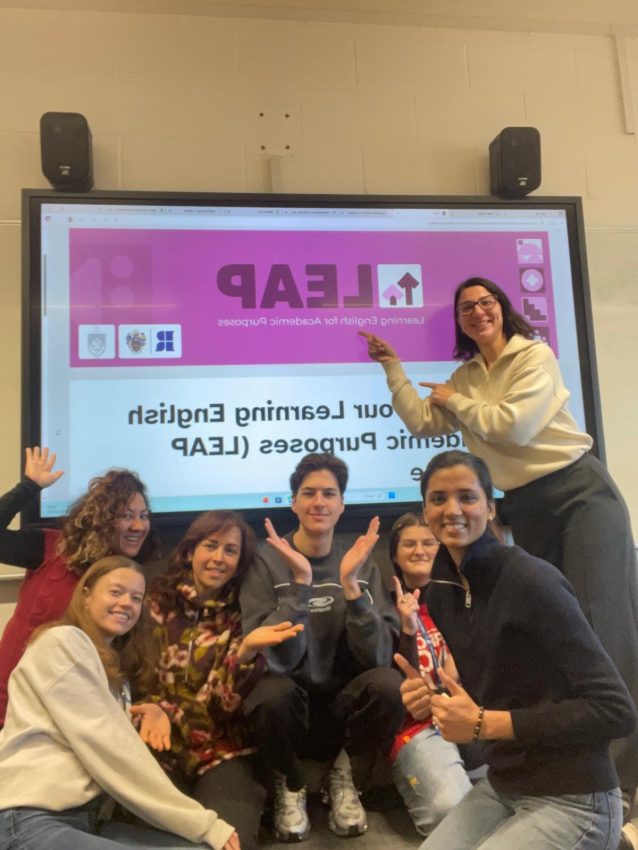
While teaching courses "Sociolinguistics of Gender" and "English for Academic Purposes" At the undergraduate level, I was able to get to know the British higher education system better, which is based on research approach and independent work of students, where the key is the study of literature, critical analysis and the formation of one's own conclusions. The content is as close as possible to real academic, professional (social) situations that students encounter in the real world.
The classes she taught combine lectures and seminars in a session lasting 3 hours (with a short break), during which new material alternates with individual, pair or group practical work. In this case, the teacher's role is to content introduction and mentoring, and most of the tasks are completed and discussed by students independently.
The educational process in the British higher education system has career focus and combines academic training with the development of skills necessary for further professional activity. The courses are focused not only on the acquisition of theoretical knowledge, but also on the formation of employability skills (employability skills), including critical thinking, academic writing, teamwork, and presentation skills that directly meet the demands of the modern labor market. Career centers operate on a permanent basis for students and organize employment days/weeks.
Scholars working on scientific articles, monographs or research projects either have no teaching load at all or have it in a minimal amount. This approach reflects the clear emphasis of the British academic system on the quality of scientific research.
How difficult was it to integrate into the new research culture amid the uncertainty caused by the war?
The support of the University of Roehampton, my mentor, Dr. Dionysios Kapzaskis, and the British Academy has been invaluable. They have created a safe and encouraging environment in which to pursue my research. Despite the uncertainty, integration into an international academic environment has enabled me to maintain research continuity, strengthen my sense of professional competence, and foster professional growth.
Has the focus of your research changed as a result of new resources? Which resources of the British Academy (libraries, archives, etc.) have become most valuable to you?
Given that I worked mostly as an independent researcher, focusing on the specific topic of my doctoral dissertation, and having a supervisor in Ukraine, I was able to fully concentrate on my scientific work and achieve the planned results.
New academic resources have allowed me to deepen the theoretical and methodological focus of my research without changing its core ideas.
For example, the approach of E. Pascual seemed interesting. Fictive Interaction: The Conversation Frame in Thought, Language, and Discourse. Amsterdam / Philadelphia: John Benjamins Publishing Company, 2014) to the interpretation of communicative language means of implementing the category of addressance through fictitious conversive cohesive models of greeting, farewell, order, wish, questioning, affirmation, untruth, etc. No less important is the approach to classifying the reader's inferences in the process of perceiving a literary text (The Science of Reading / M. J. Snowling, Ch. Hulme, K. Nation. England: John Wiley & Sons, Incorporated, 2022) and so on.
Have you managed to involve British colleagues or students in your work?
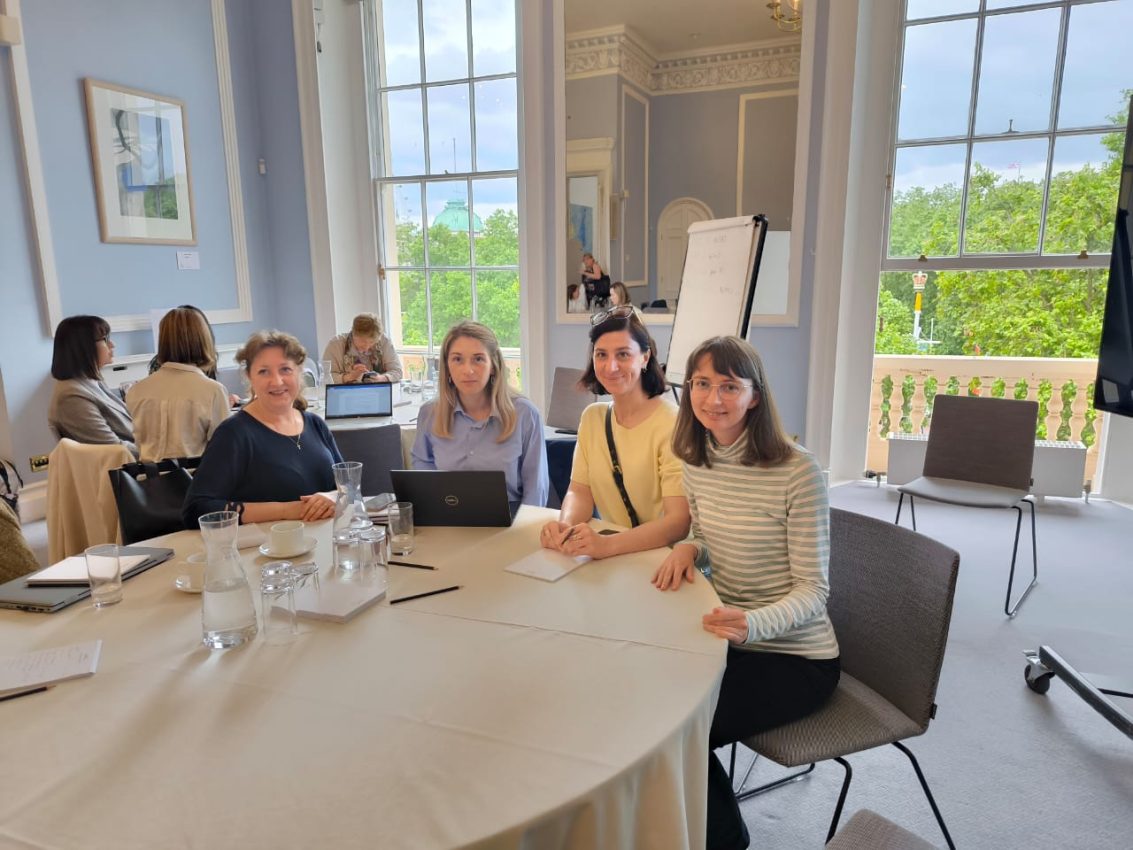
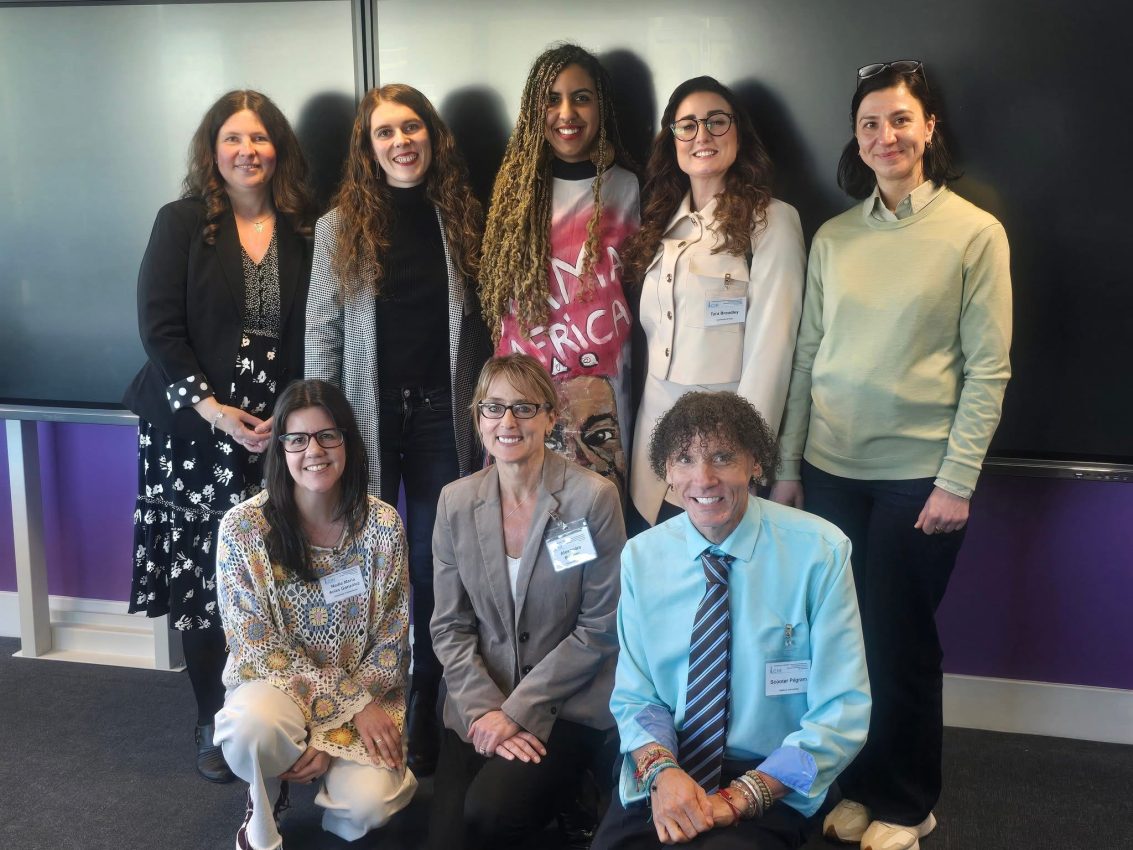
The advice of leading researchers at the University of Roehampton, Sarah Houston, Dionysios Kapzaskis, Chris Kelly, Eva Epler, Judy Broadbent, Joe Pitt and other colleagues was invaluable. Students were also involved in discussing specific aspects of the research during presentations at conferences and seminars for the academic community of the University of Roehampton and the British Academy. All this made it possible to receive professional feedback and adjust the work accordingly.
My research into the communicative structure of a literary text is based on the material of the Harry Potter fantasy novel series and the works of D. Korniy – “Rainbow Chase” and “Wings of the Color of Clouds” (co-authored with T. Vladmirova) – taking into account the cultural identity of the authors. This allowed me to trace how the cultures of the English and Ukrainians are presented through the prism of the analyzed works. Many are surprised when they learn that we have so much in common with the British.
In your opinion, how can the experience of Ukrainian scientists in such programs help reform higher education in Ukraine?
Education is a complex system, the reform of which begins with the transformation of management approaches. British education is based on centuries-old history and culture. Even in conditions of constant modernization, its value and structural framework remains clearly defined, which ensures the stability and systematicity of the educational process.
The experience of Ukrainian scientists in international programs can become an important source for reforming higher education in Ukraine and offer effective approaches to research, interdisciplinary cooperation and academic autonomy, as well as a culture of mutual respect and responsibility in the scientific community.
Ukrainian universities can borrow these practices to improve the quality of teaching, develop mentoring, support young researchers, and implement modern standards of academic ethics and assessment of learning outcomes. The latter deserves a separate approach. For example, in Britain, students' completed work uploaded to the Moodle platform (essays, data analysis, texts, etc.) upon completion of the course is first checked by the teacher, then by the course moderator, and then a commission of external representatives is formed (external exam board). Such a system minimizes bias and corruption in evaluation.
How do you tell your British colleagues about the situation in the Ukrainian academic community and are they even interested in this issue?
I openly and objectively tell my British colleagues about the situation in the Ukrainian academic community, focusing on both the challenges that researchers face and the achievements of Ukrainian scientists - because we have something to be proud of. Despite the difficult trials of the war, thanks to the Armed Forces of Ukraine, my colleagues and students are holding the front line, demonstrating high levels of scientific and educational activity. British colleagues are always interested in this painful issue for us (for everyone) questions, trying to understand the context of war, resource constraints, and the challenges of academic mobility. They recognize our courage and resilience in the face of these challenges.
What are the main challenges facing Ukrainian scientists in Britain today?
These challenges are primarily faced by colleagues from the UK. Higher education in the UK is experiencing an institutional and financial crisis, the result of which is a reduction in staff in universities. In this regard, the requirements for employment in the academic sector of British higher education, as well as in Ukraine, have increased significantly: among the key criteria is the annual presence of at least one publication indexed in the database Scopus, publication of monographs according to indicators REF (Research Excellence Framework – a system for assessing the quality of research in the UK with star ratings*), as well as participation in international research projects.
The main challenges for a Ukrainian scholar in Britain today are adaptation to a new academic culture and research methods, as well as the language and communication barrier, especially for those without proper language training. The situation is additionally complicated by the uncertainty caused by the war, with constant anxiety for loved ones and for one's future. At the same time, an important component is the need to establish professional contacts, understand the research funding system and balance between the requirements of the university and one's own scientific goals.
How can scientific collaboration enrich Ukrainian and British scientists?
Scientific cooperation enables Ukrainian and British scientists to exchange experience, best innovative and pedagogical practices, methodologies and research approaches, which contributes to improving the quality of research. All this stimulates interdisciplinary dialogue, the development of critical thinking and the introduction of new ideas into the educational and scientific process. In addition, joint projects help to build international professional contacts, support academic mobility and create conditions for long-term partnerships.
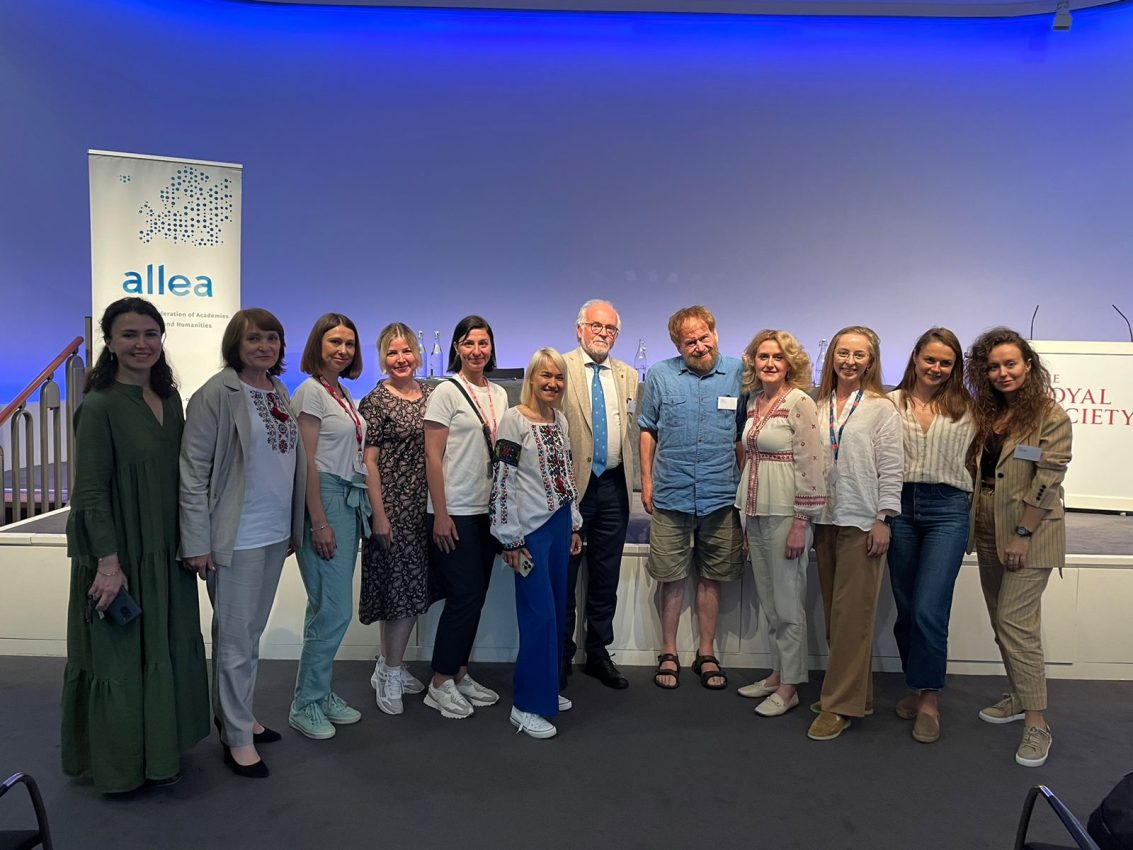
This is precisely what the UK–Ukraine Twinning Initiative and UK–Ukraine Horizon Europe programs, which are currently in operation and which we hope to join with colleagues from our Department of English Philology and Translation, are aimed at.
Final word:
Participation in the project is a valuable experience of working in the British academic system, which expands professional contacts, deepens knowledge of modern research and teaching methods. In addition, the internship adds inspiration for further scientific projects and strengthens self-confidence at the international level.
And most importantly, thanks to my participation in this project and the valuable advice and constant support of my doctoral dissertation supervisor, Doctor of Philology, Professor Anatoliy Panasovich Zagnitko, my monograph "Communicative structure of a literary text: categories, levels, units" completed and submitted to the publishing house (Communicative structure of a literary text: units, levels, categories: monograph / preface, scientific editor Prof. A. P. Zagnitko. Dnipro: Polygraph Center "Lira", 2026. 484 p.).
We are sincerely grateful to you, Viktoriya Olegovna, for the interesting conversation and for your productive work! We wish you further success and inspiration, and we look forward to seeing you on your native land!