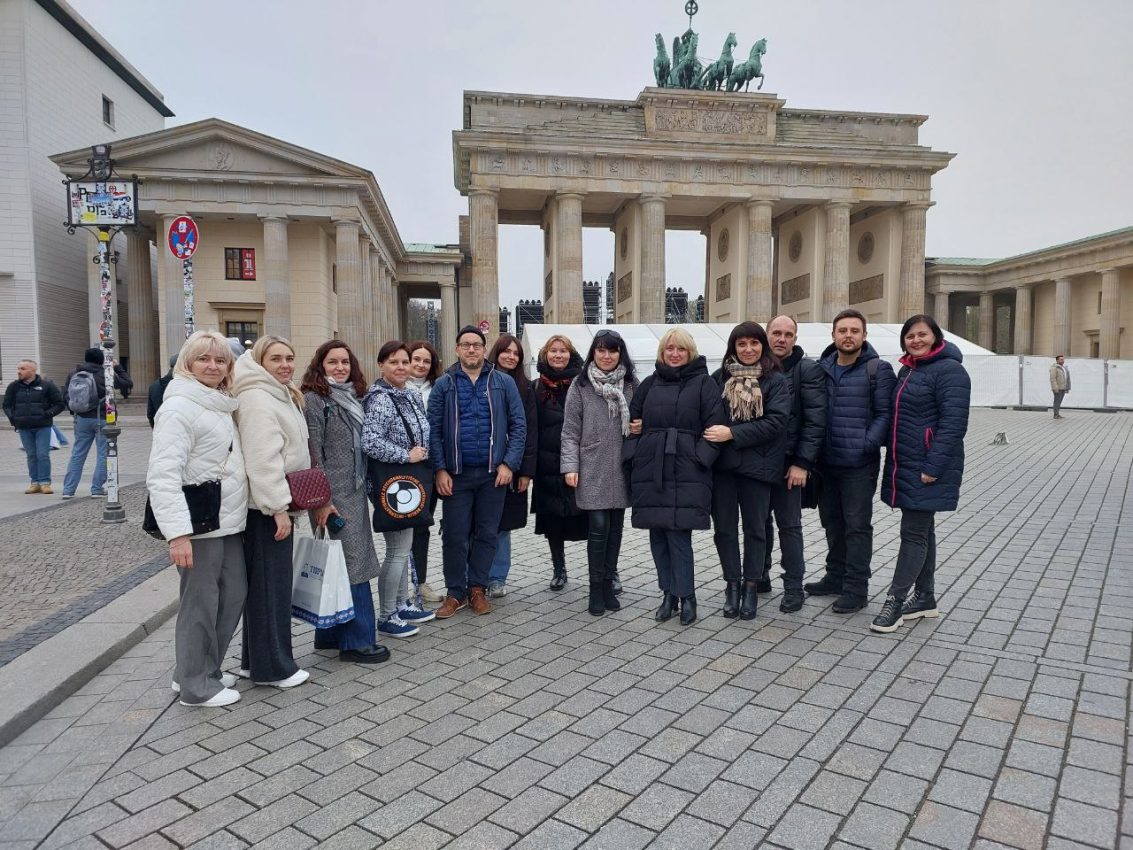
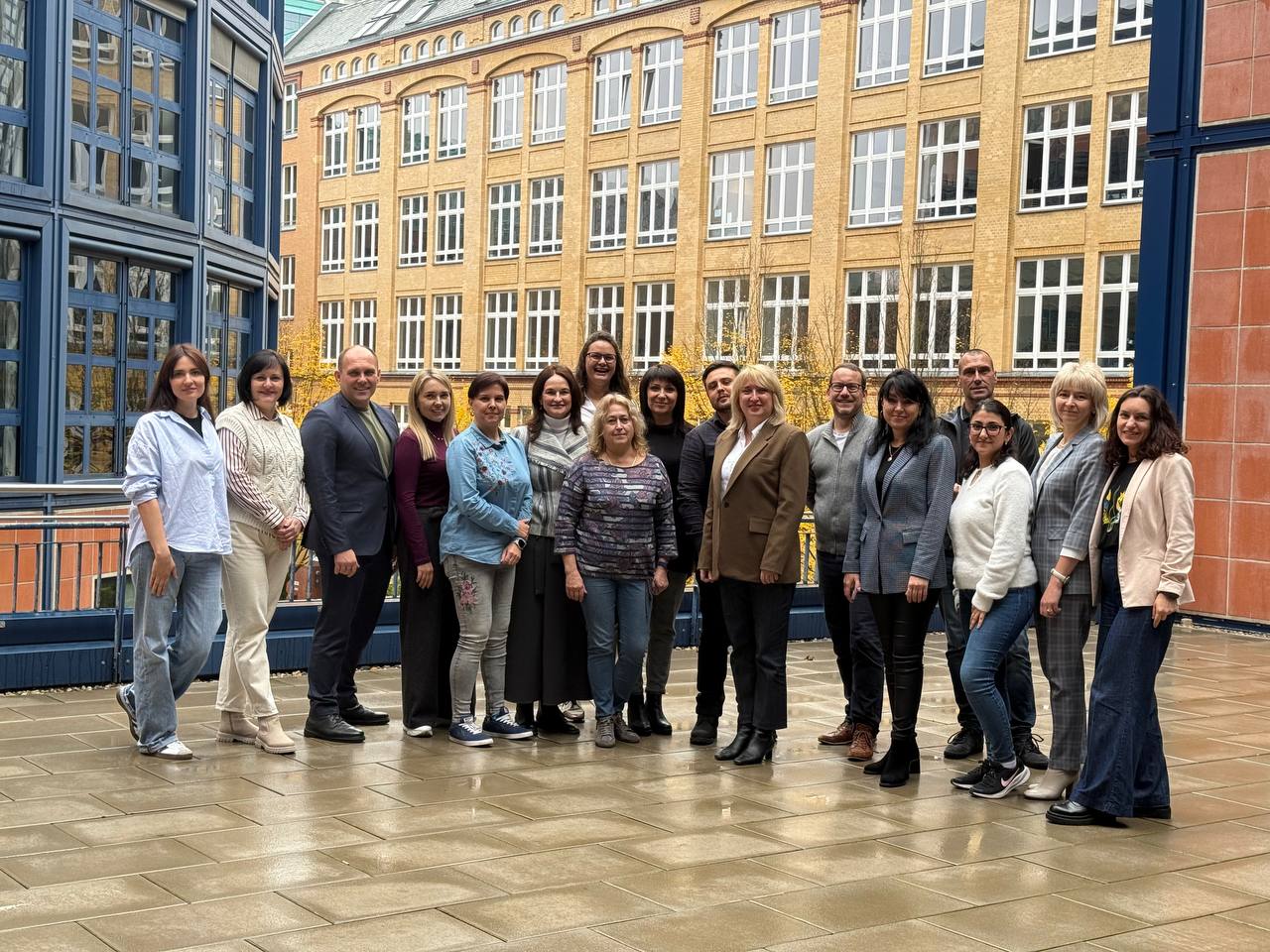
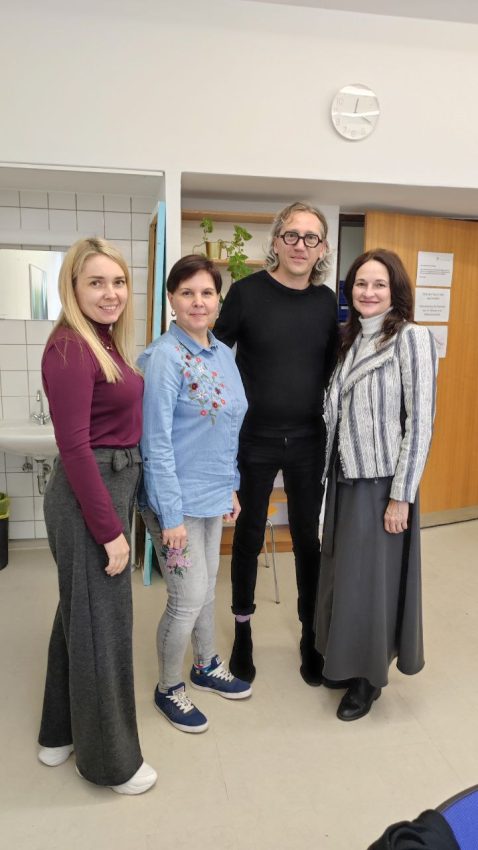
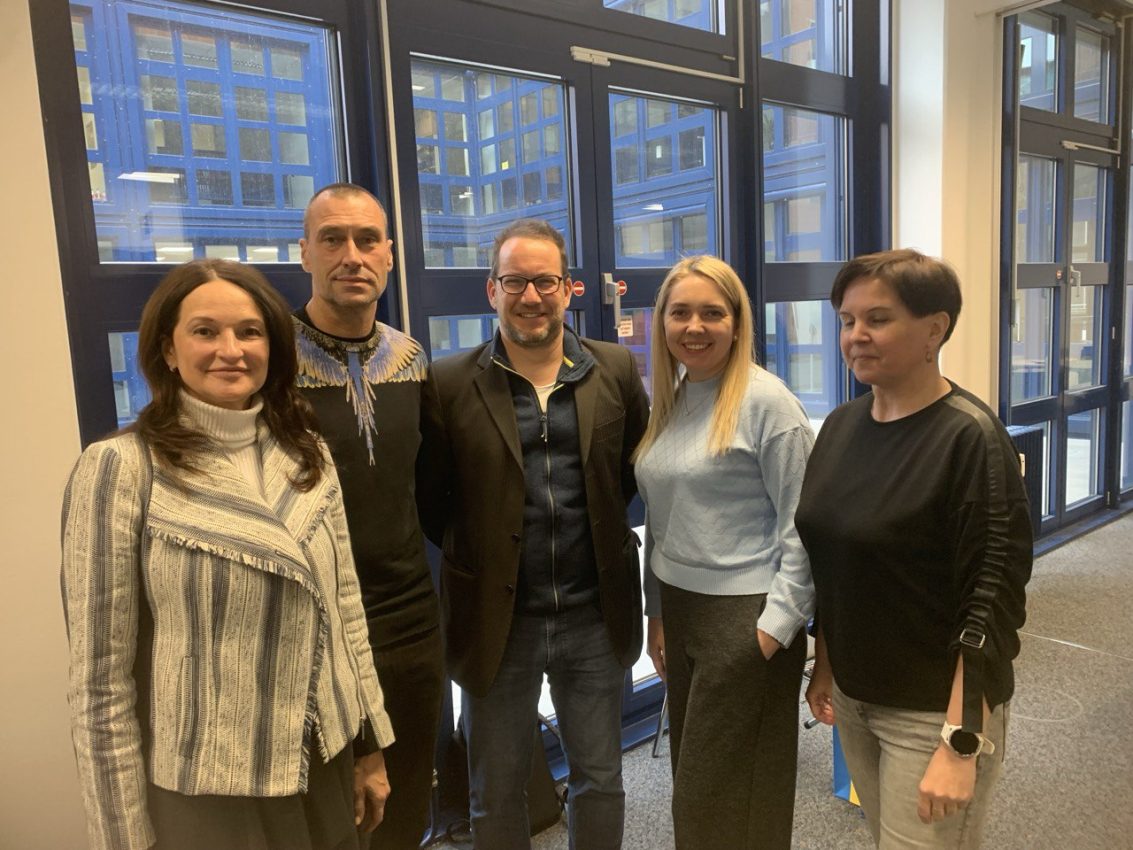
The second study visit under the Erasmus + BURN project took place from November 4 to 8 at the International Psychoanalytic University of Berlin (International Psychoanalytic University (IPU)), Germany. The purpose of the visit is to get acquainted with the organization of work in centers of psychological assistance for persons with post-traumatic and stressful conditions, especially those who have survived war trauma. The delegation of the Institute of Medical Sciences was represented by members of the BURN team - professor of psychological sciences, Assoc. O.V. Hrytsuk, Doctor of Psychological Sciences, Assoc. D.S. Drozdova and Doctor of Philology, Assoc. M. Yu. Peeler
Day 1.
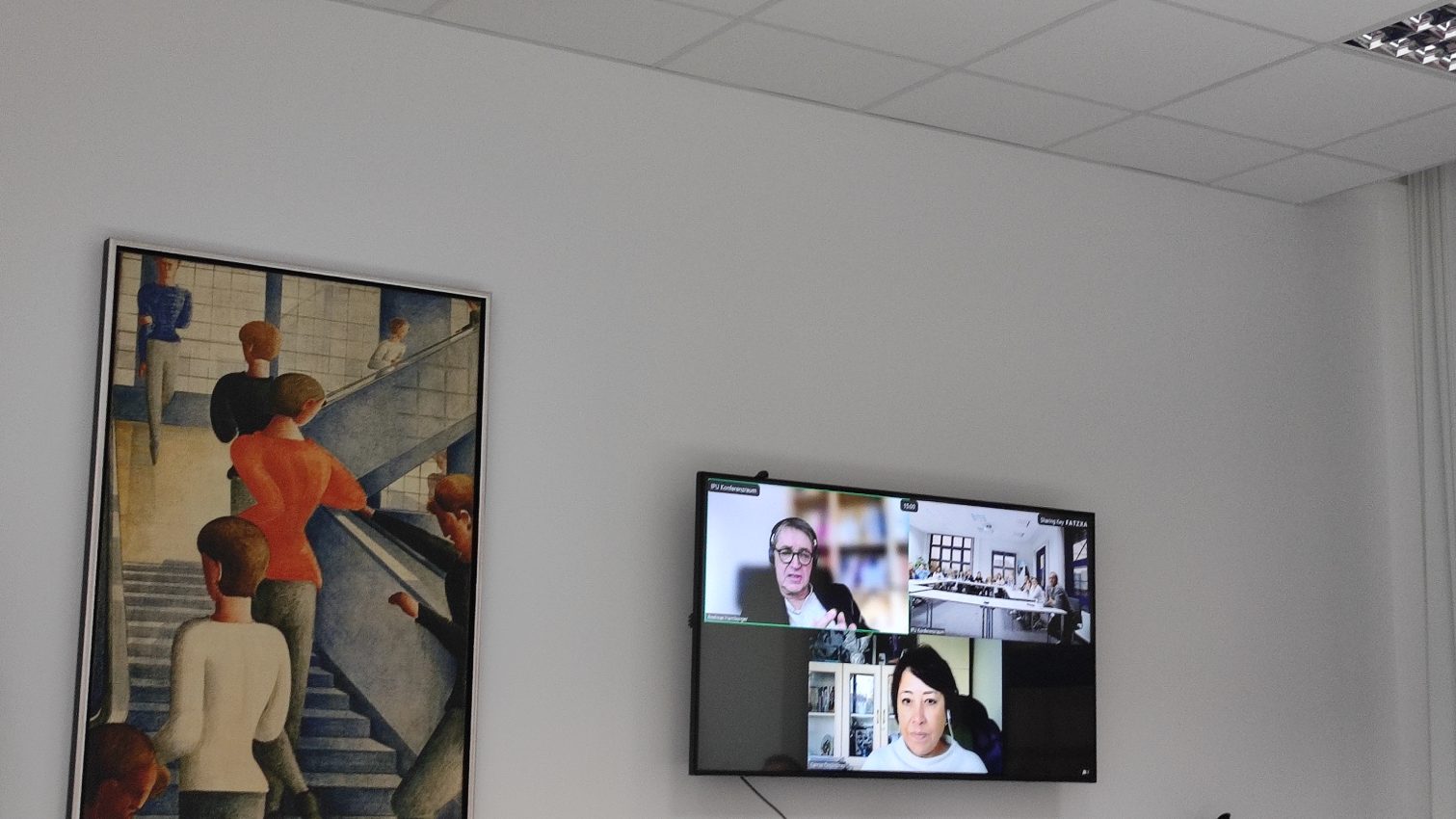
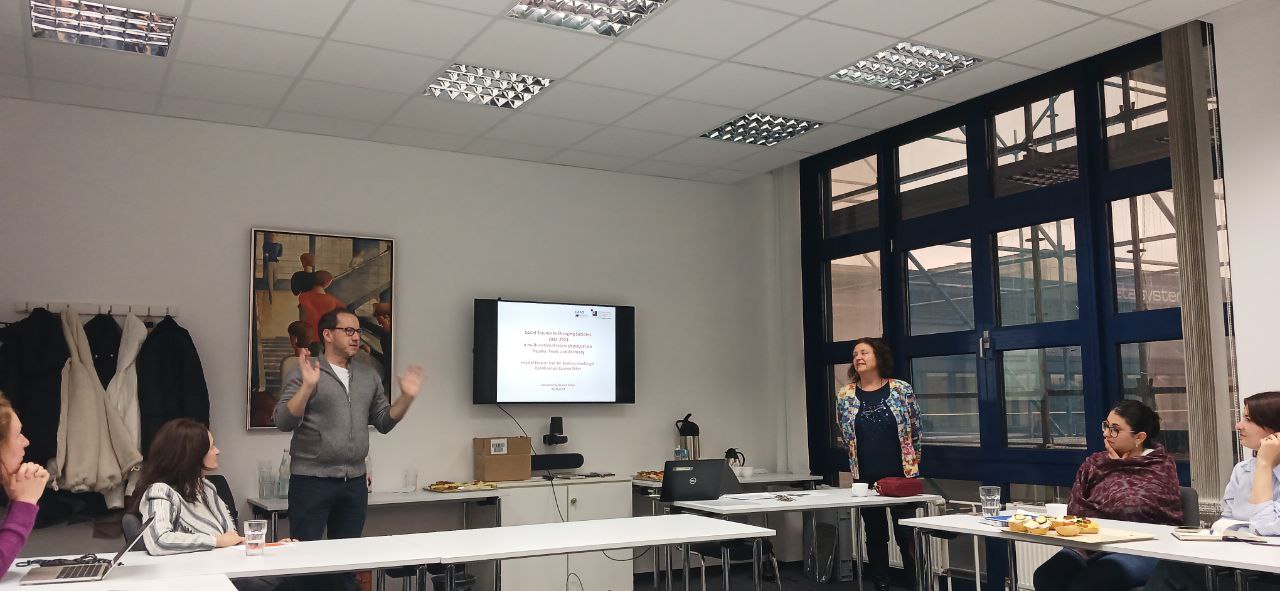
The agenda covered extremely important topics such as trauma-informed therapy and support for IDPs, refugees, military families, and more. The head of the research department Yuriy Nesterko introduced the work of ZENTRUN UBERLEBEN (Survival Center), which supports the rehabilitation and integration of refugees and migrants. The work of the Center is accompanied by scientific research and development of approaches to diagnosis, as well as documentation of the causes, consequences and treatment of injuries. The head of the international department of the IPU, Carmen Shir, introduced her own work experience within the framework of the project "Social trauma in changing societies" (2012-2024). Professor Andreas Hamburger and colleagues shared the results of many years of research on social trauma and the ways of its diagnosis and psychotherapy. The presentations caused lively and interested discussion among all participants.
Day 2.
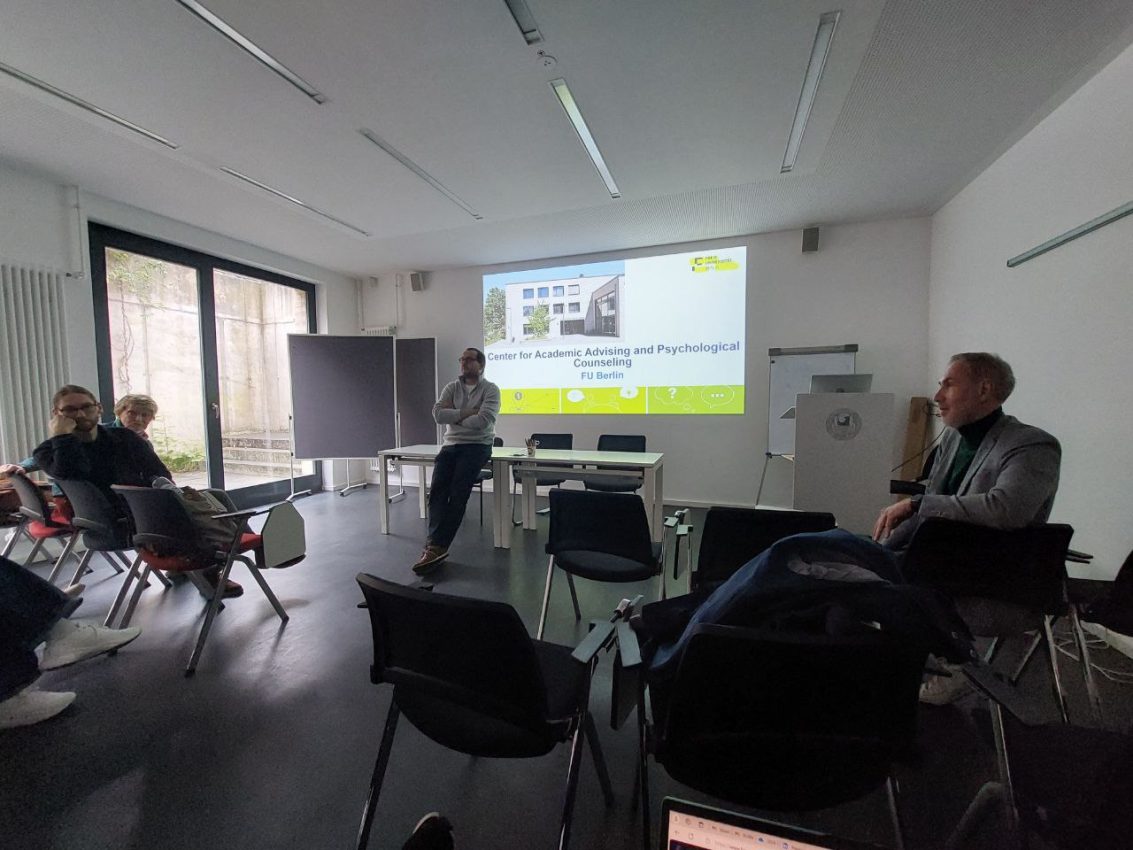
Day 2 of the study visit of the BURN project started at the Free University of Berlin. The Ukrainian delegation learned about the structure and work of the University's Psychological Support Service from its director, Dr. Stefan Petri, and his team. Then the discussion turned to the experience of Ukrainian psychologists in supporting IDPs and traumatized population groups.
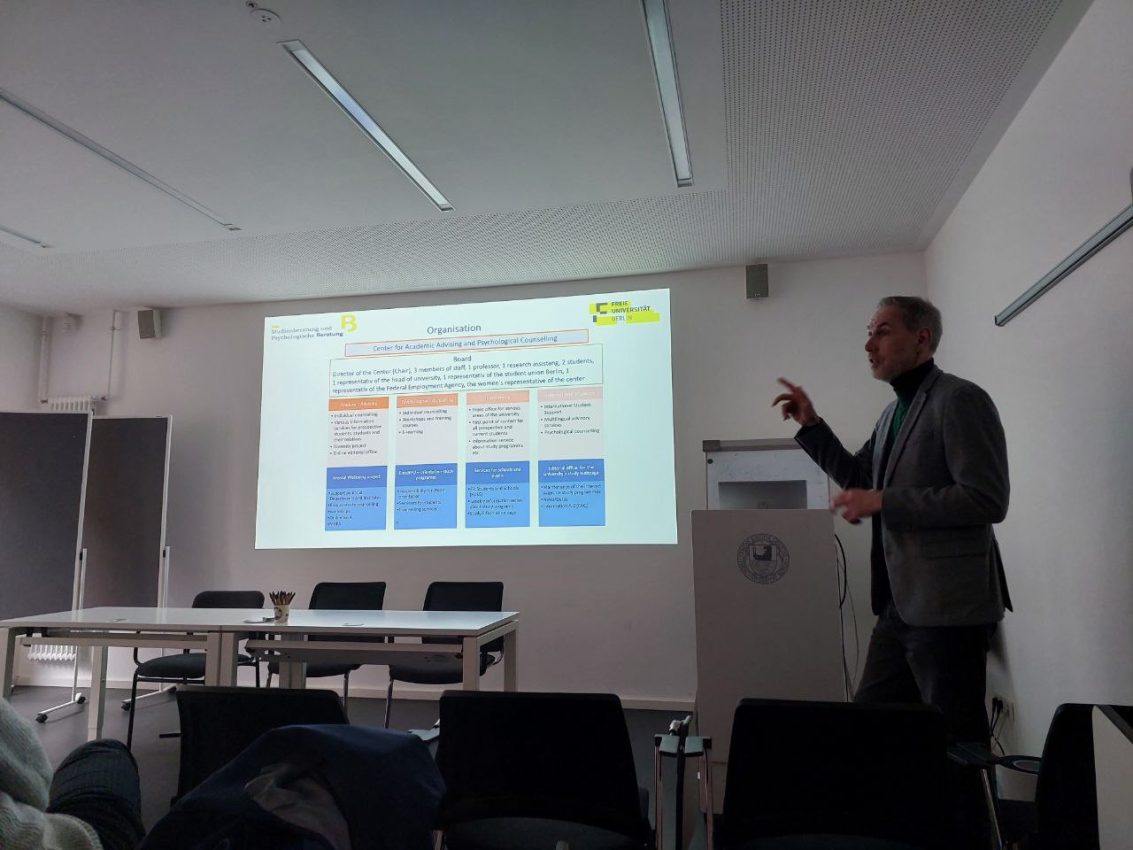
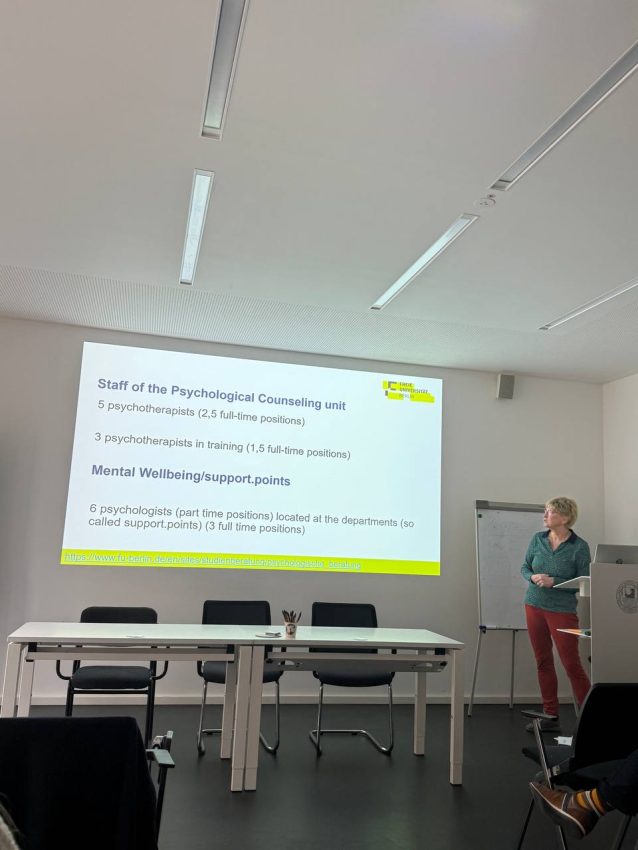
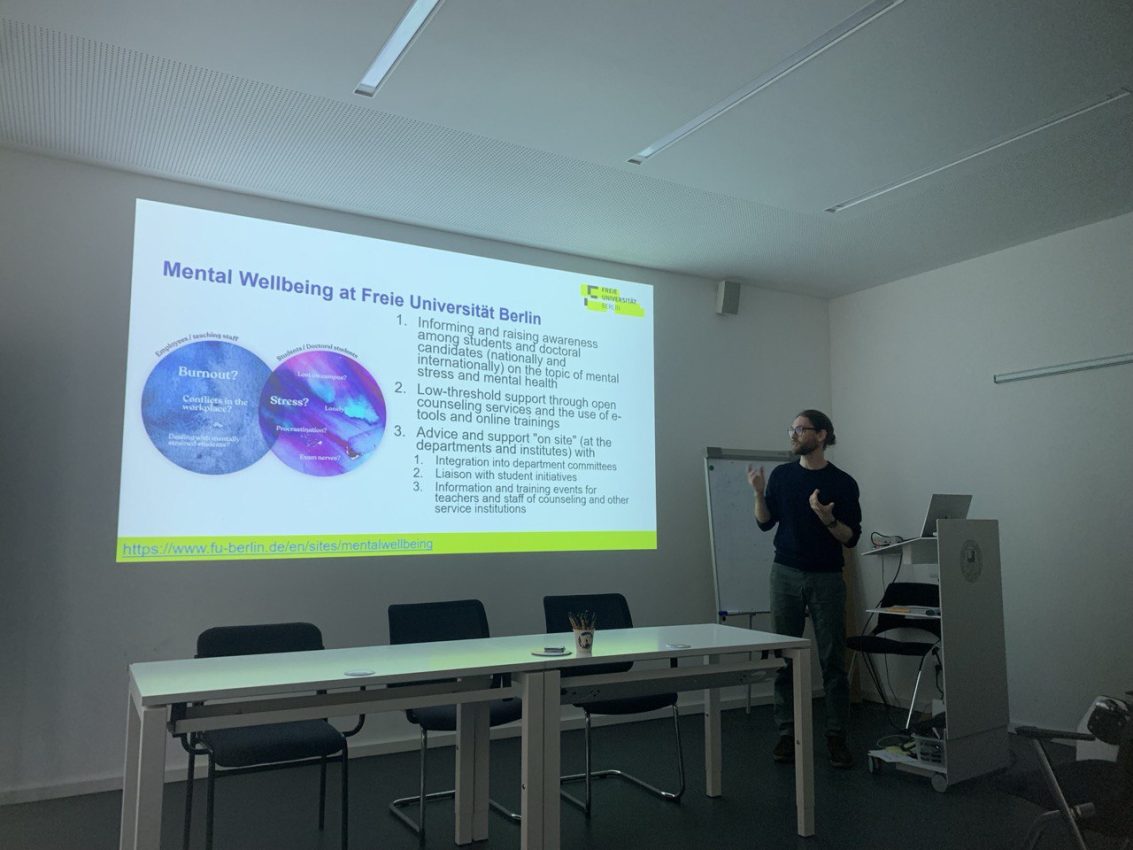
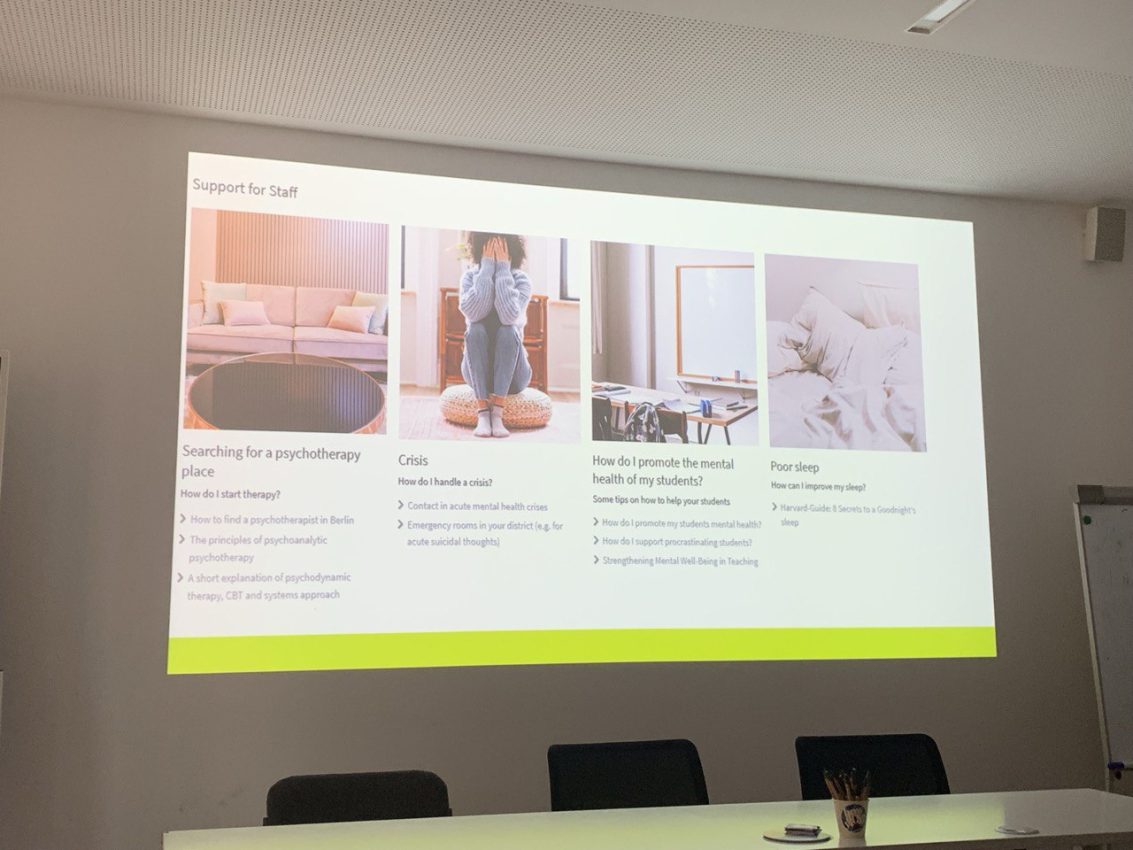
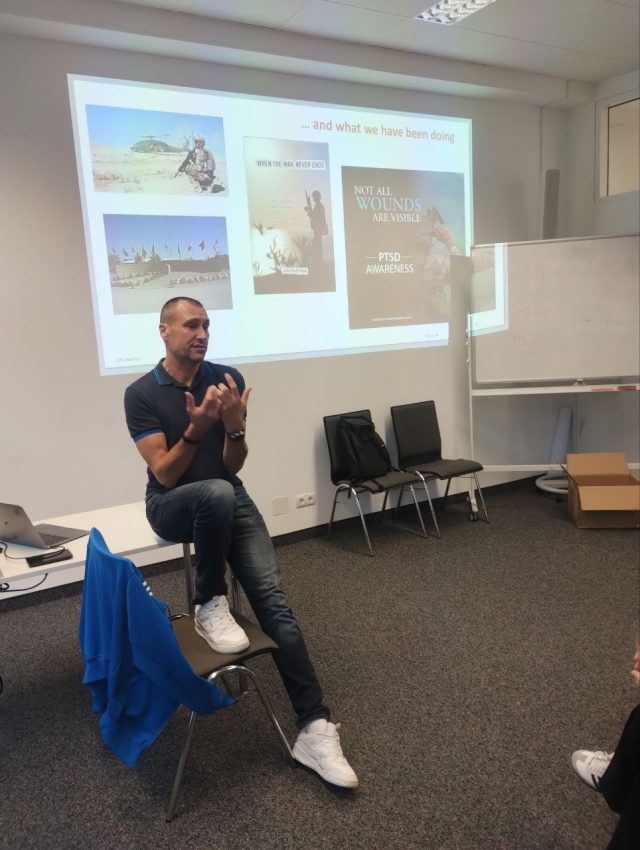
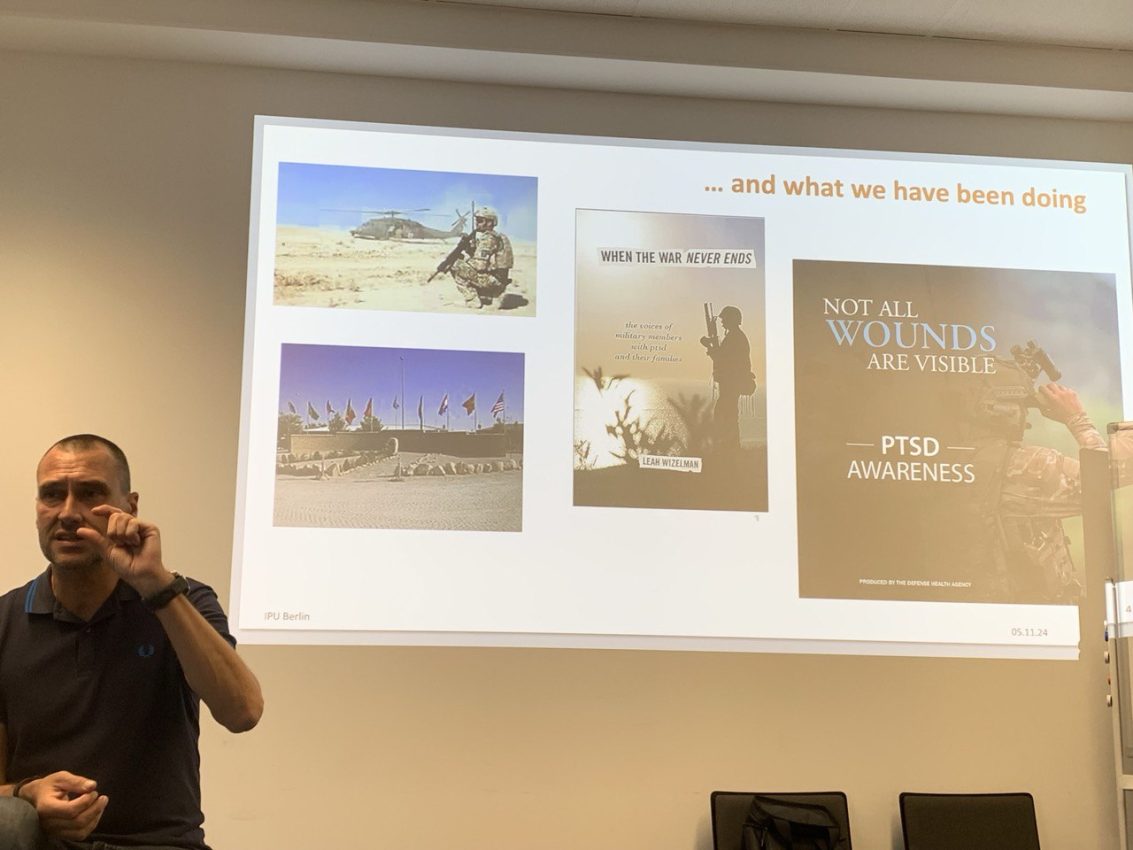
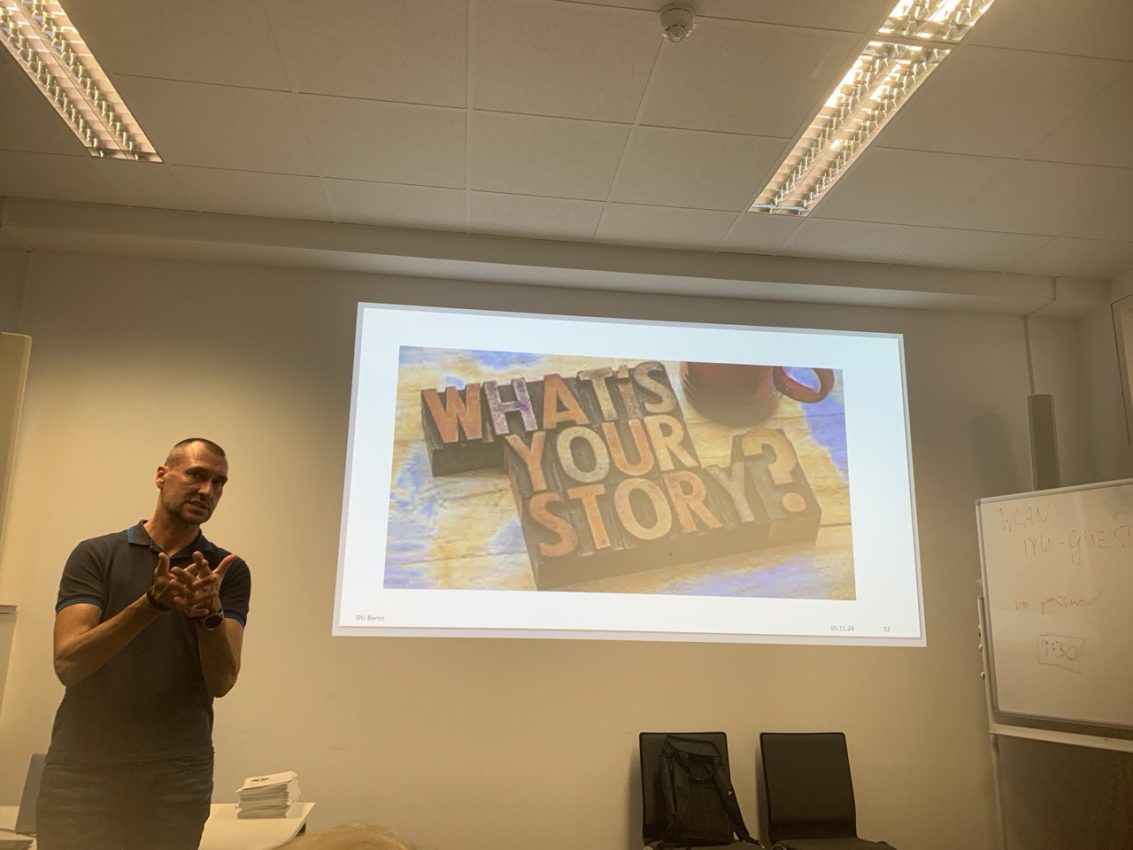
The afternoon session was dedicated to Dr. Phil Langer's presentation "Collaborative Storytelling as a Joint Methodical Approach to Trauma-Sensitive Work with Vulnerable Groups." The presentation facilitated the exchange of ideas and experiences between Ukrainian participants and German experts in psychoanalysis.
Day 3.
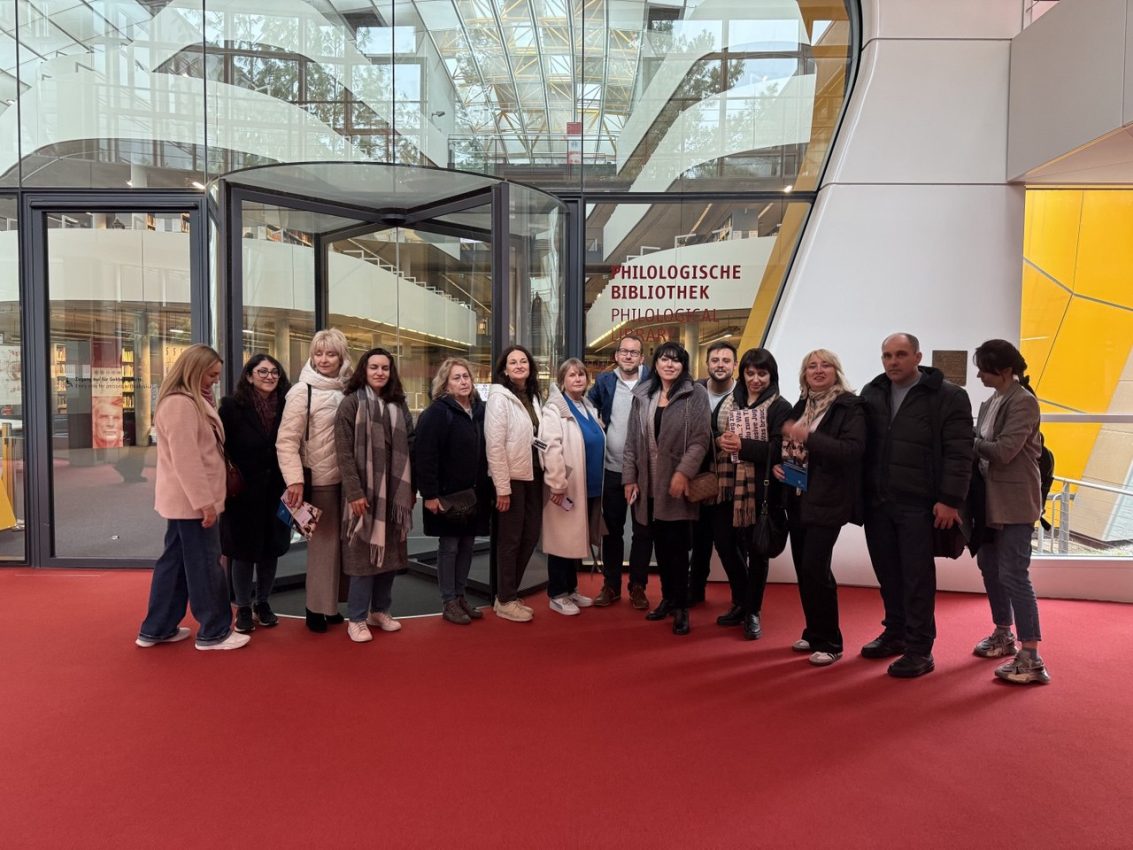
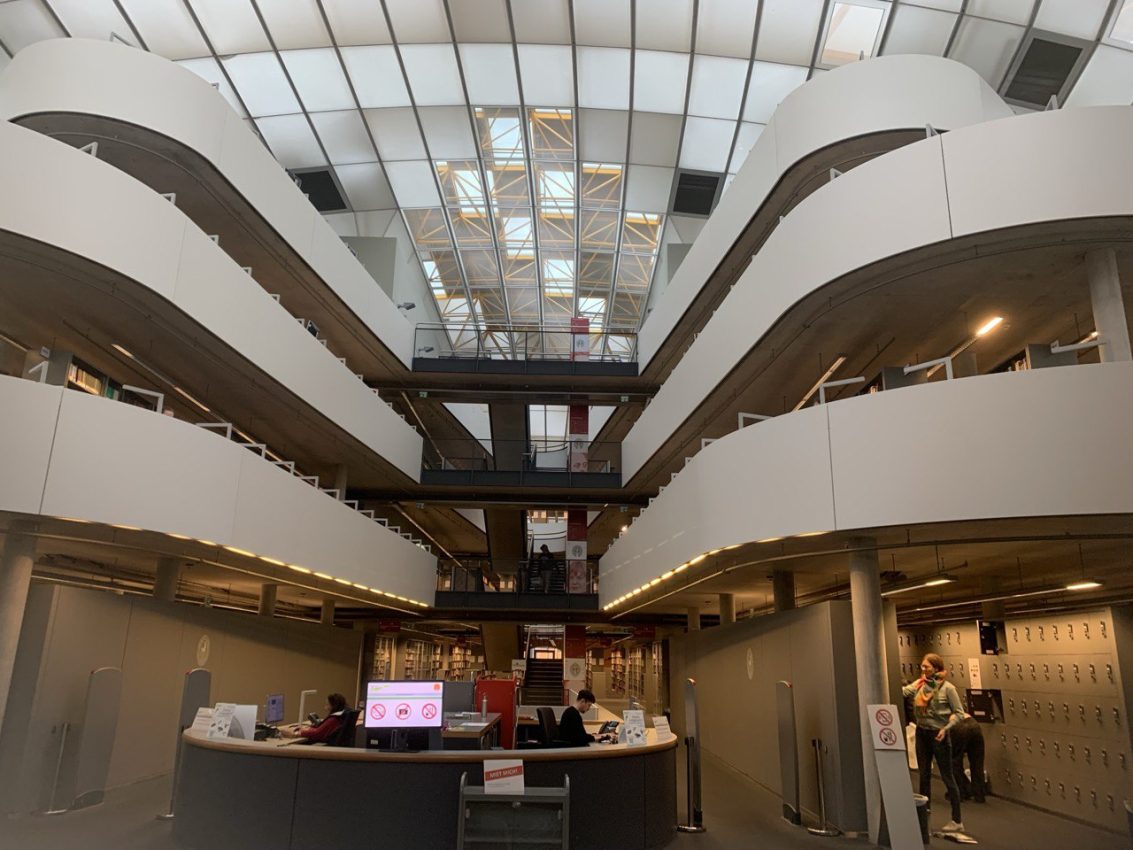
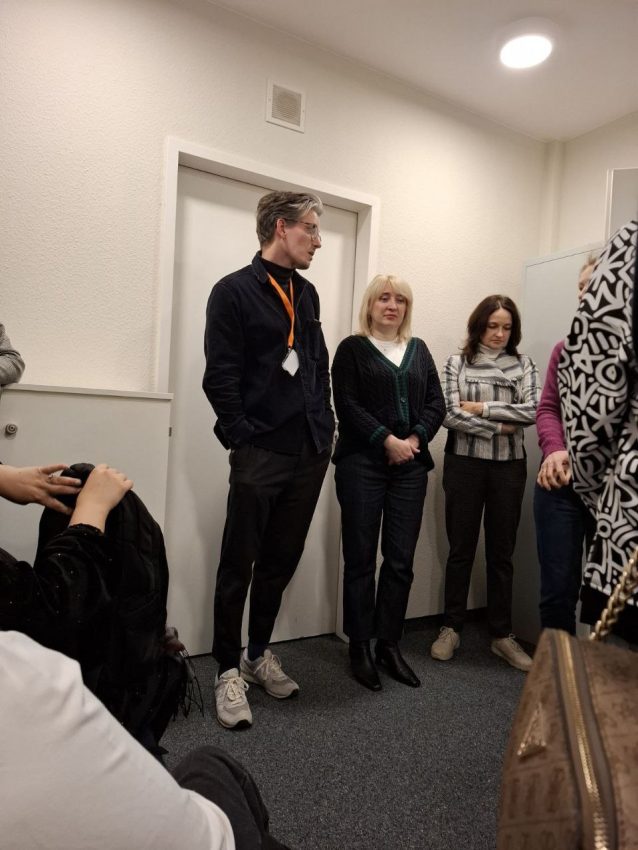
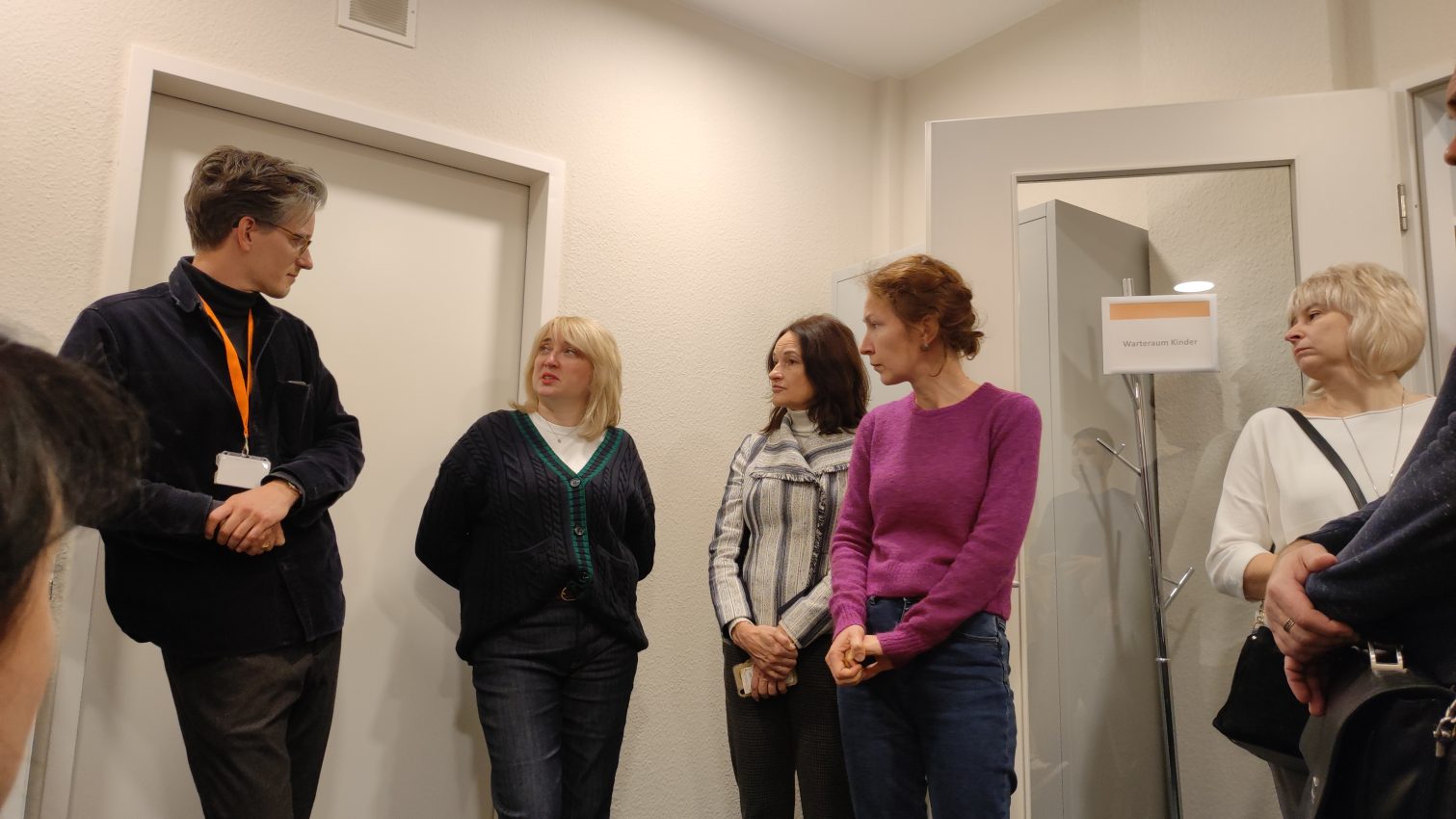
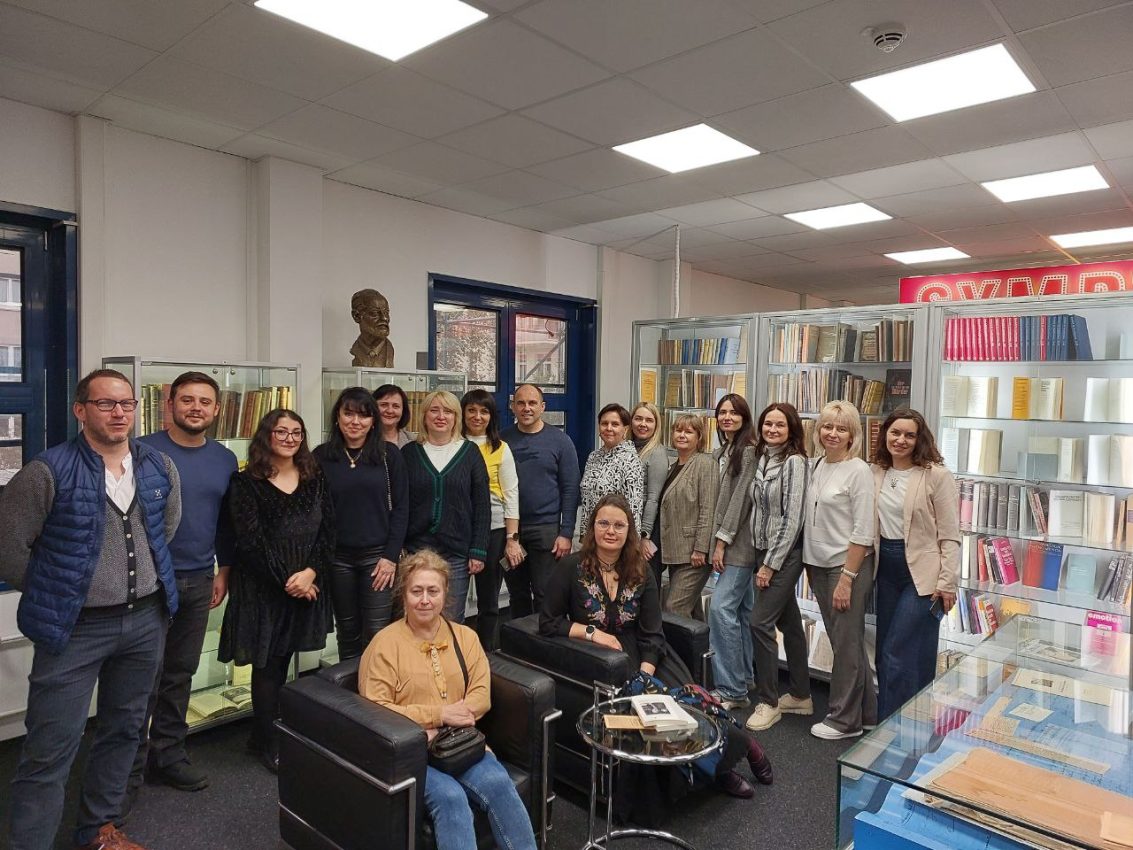
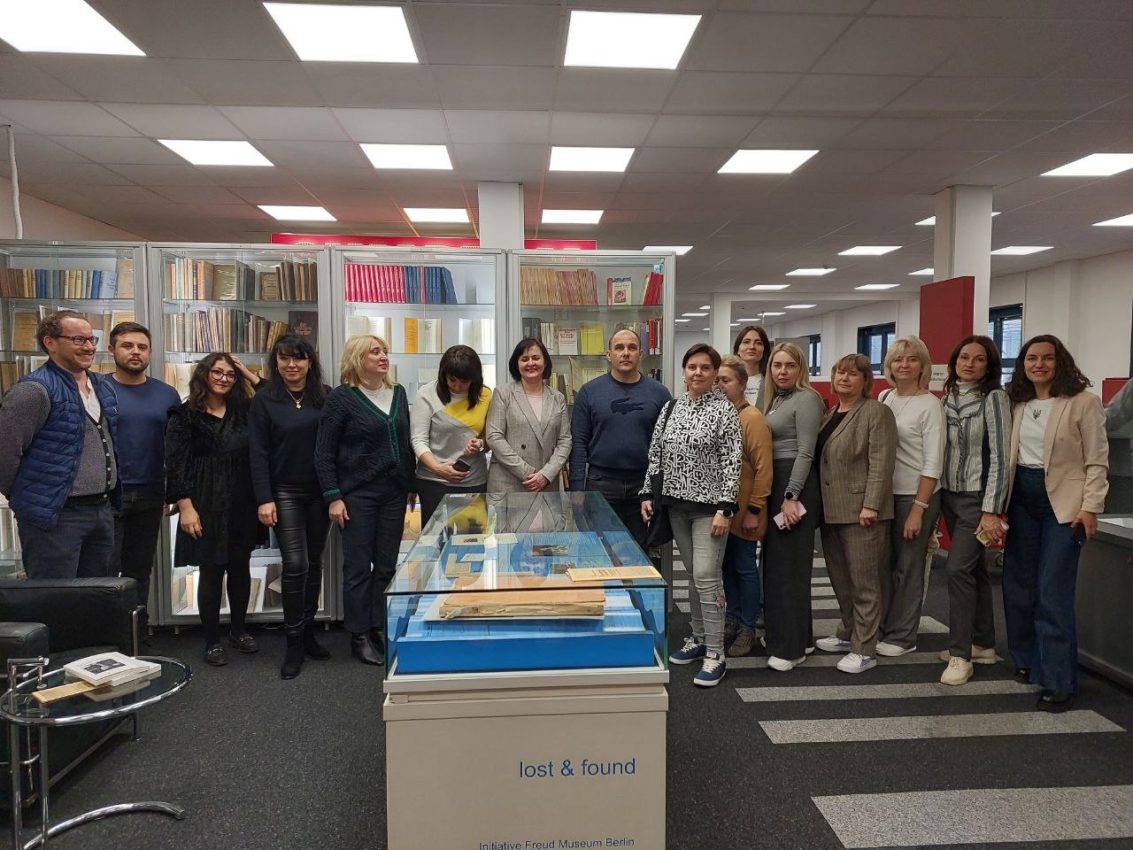
Day 3 of the study visit was full of meaningful events. The delegation started with a visit to the outpatient service of the IPU, gaining direct experience of its work. The clinic accepts about 1,000 patients a year and has an inpatient department. In addition to psychological help and psychotherapeutic intervention, the clinic's employees pay special attention to scientific research. Then the participants continued to get acquainted with the infrastructure of IPU, visited the library, which is considered the largest in the world in terms of the number of psychoanalytic resources. Guests were introduced to her large digital and printed collections of books on psychoanalysis.
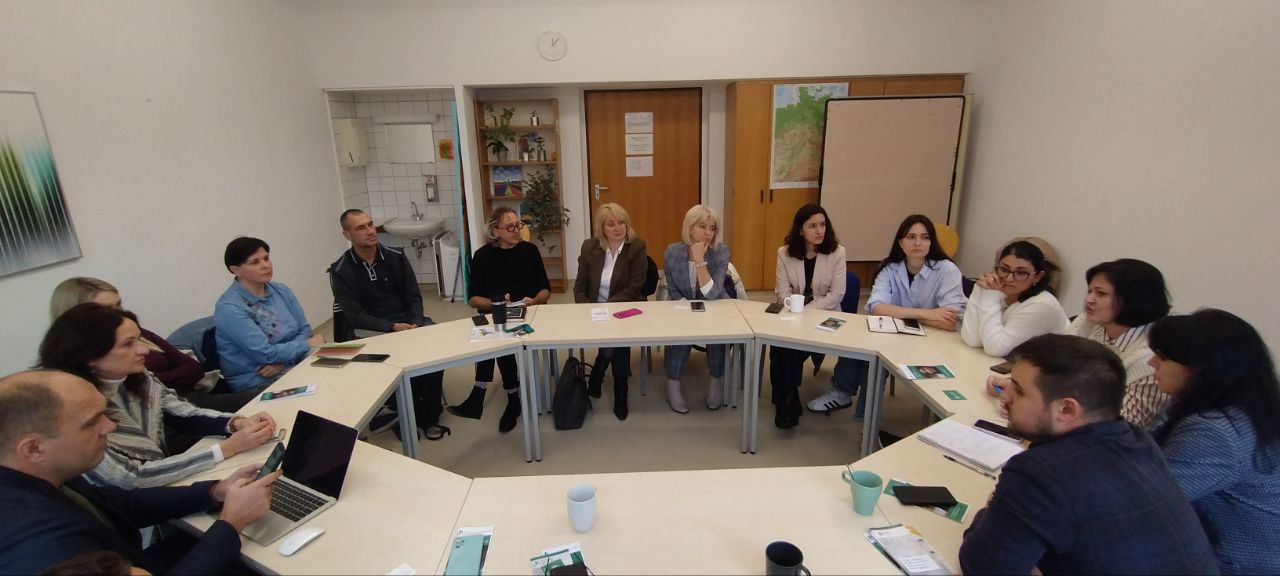
One of the interesting moments of the visit was an introduction to the Sigmund Freud University in Berlin and a round table discussion with Dr. David Baker on the topic "Traumatic processes and staff care". Professor David Becker introduced the participants to his many years of experience working with traumatic processes and shared his thoughts on the need for each university to build its own model of staff support. During the discussion, the guests discussed the problem of resilience in modern dimensions and outlined ways to strengthen it. All agreed that it is necessary to support mental health professionals who work in difficult conditions. Participants from Ukraine received a practical handbook for staff care based on the REST approach, which can be applied to teams working in crisis situations and conflicts.
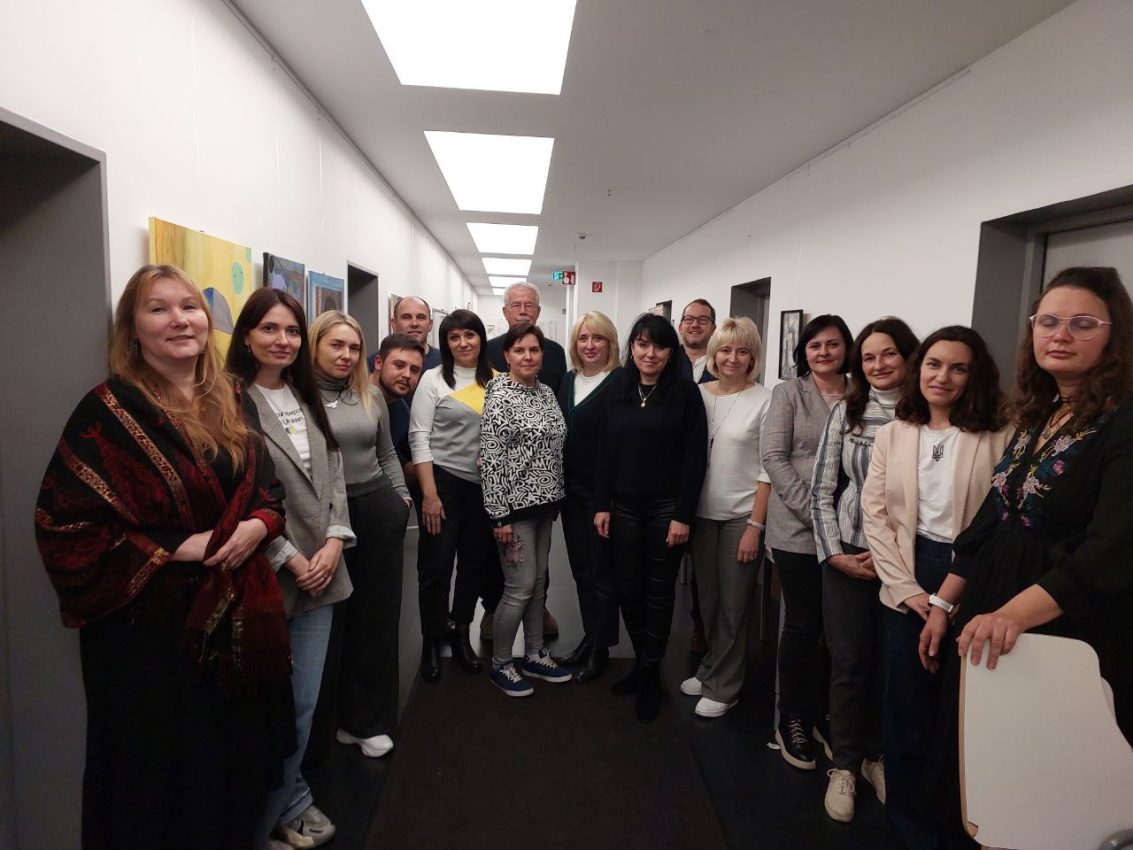
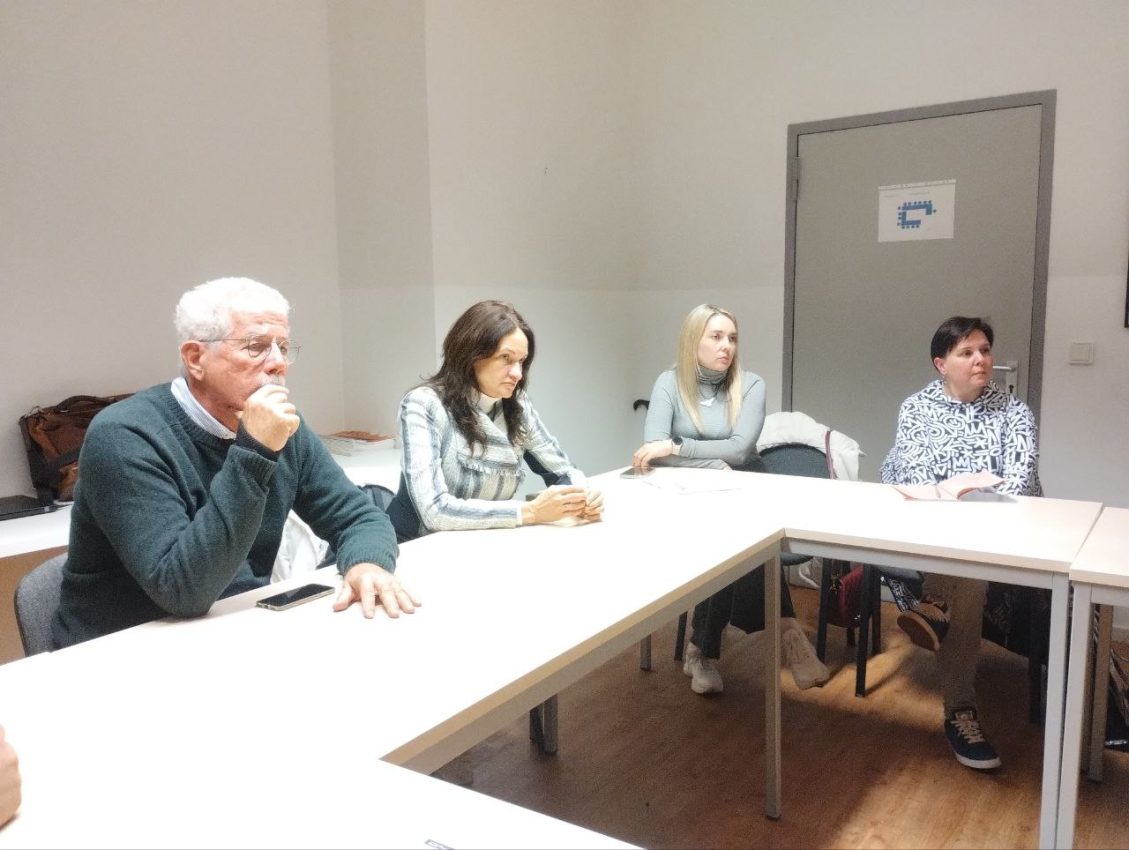
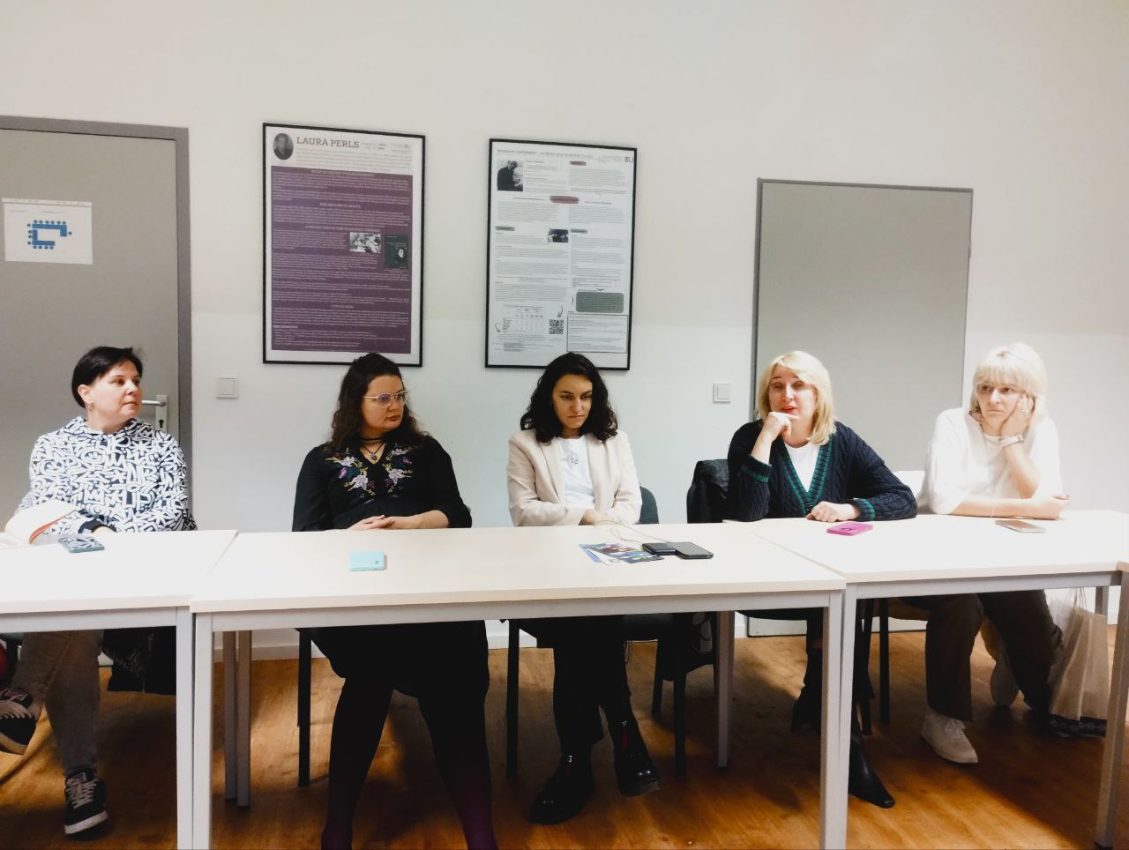
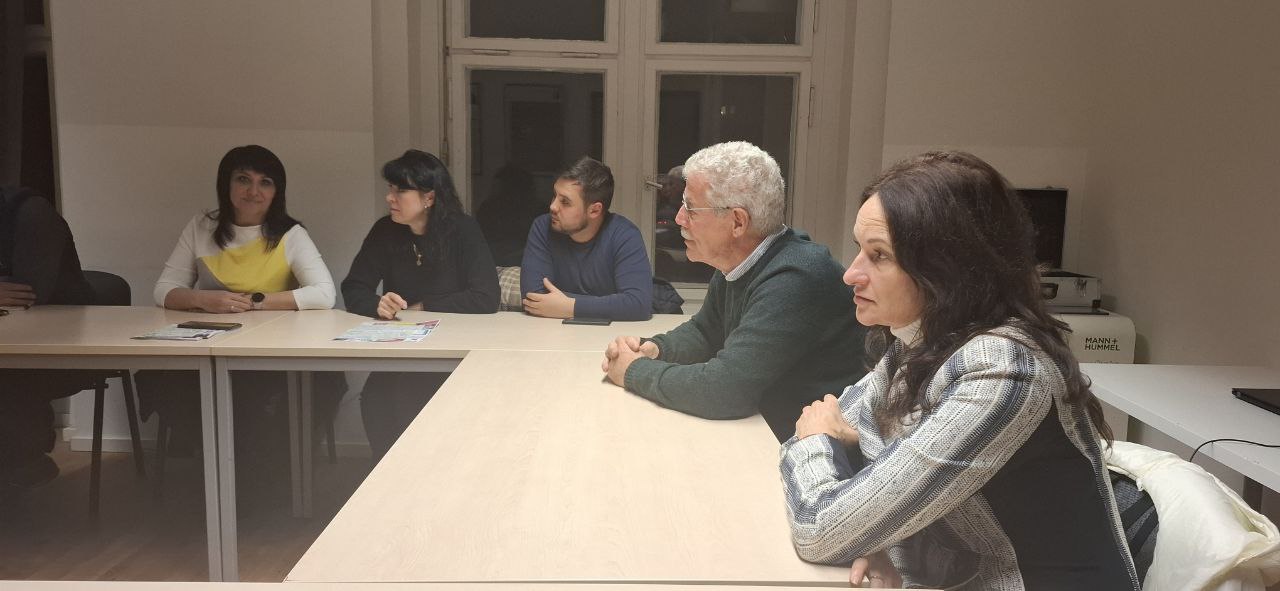
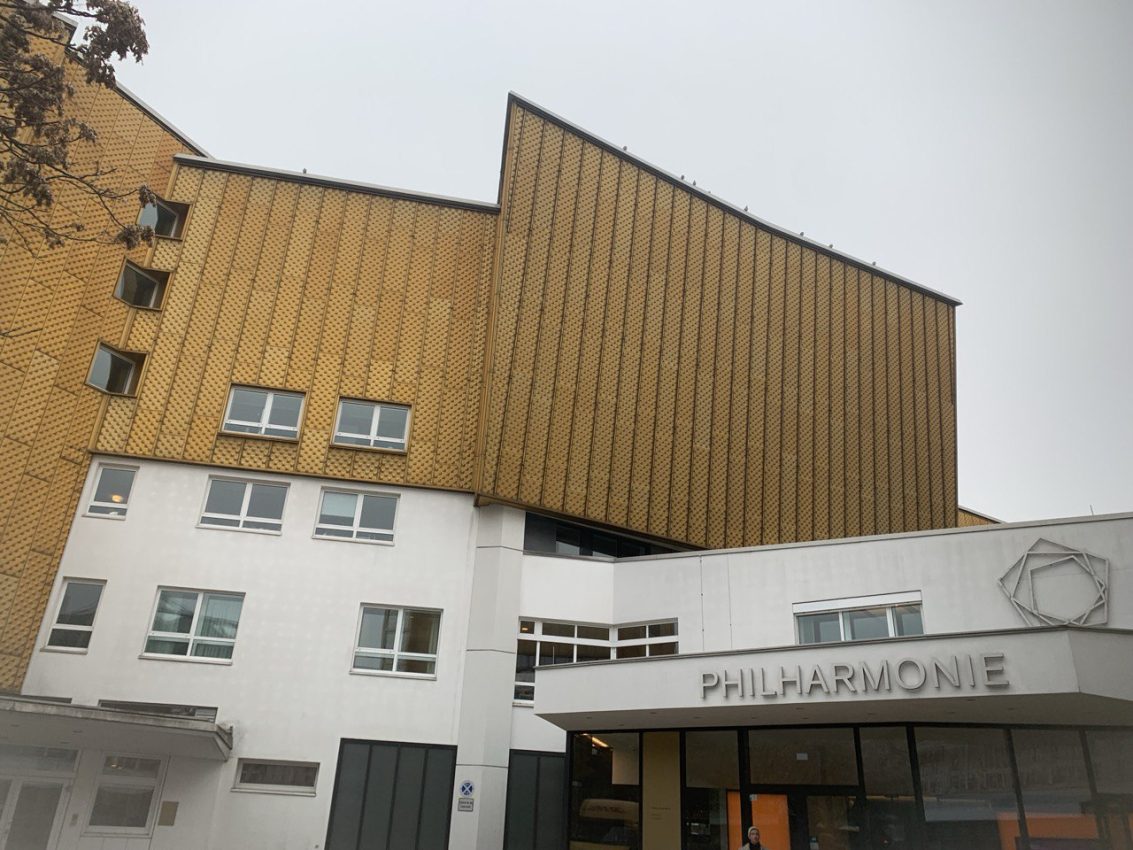
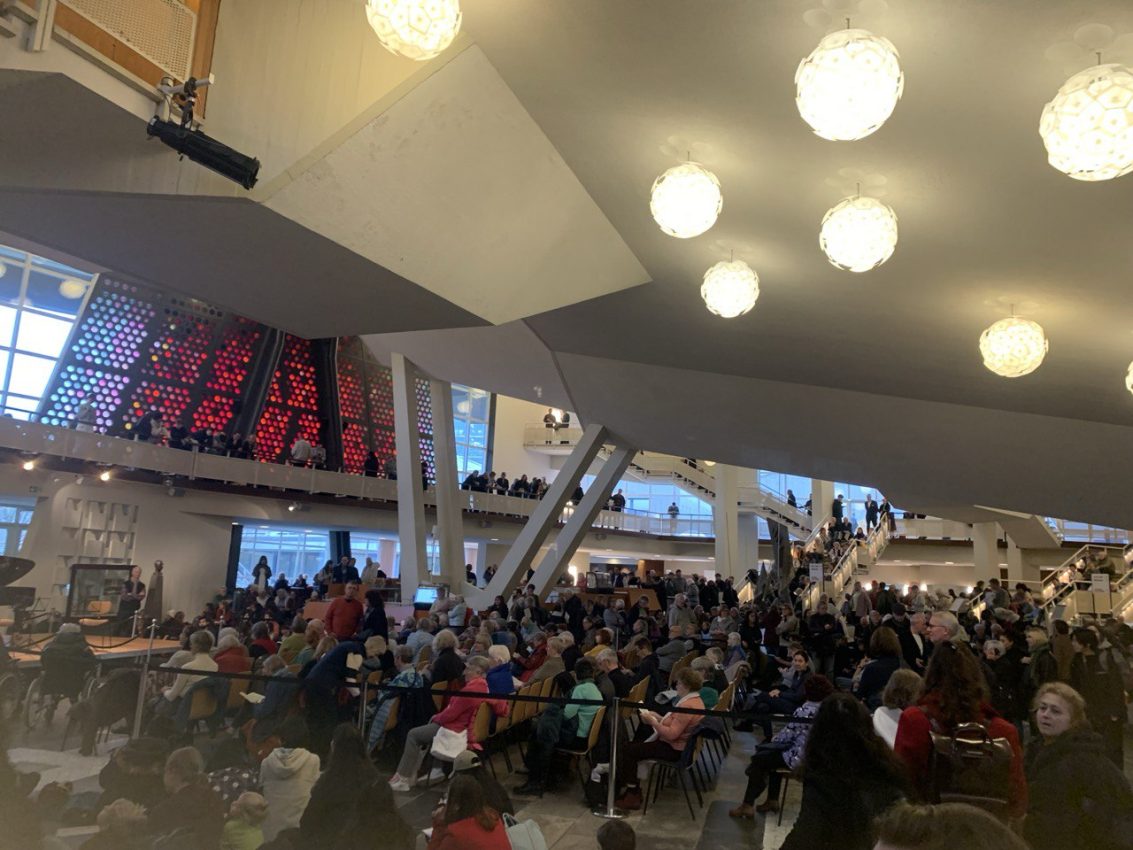
On the third day of the visit, the guests were offered a cultural program - a visit to the Philharmonic - Lanchkonzert. The guests listened to the works of outstanding German composers performed by a piano-string quartet of talented young performers.
Day 4.
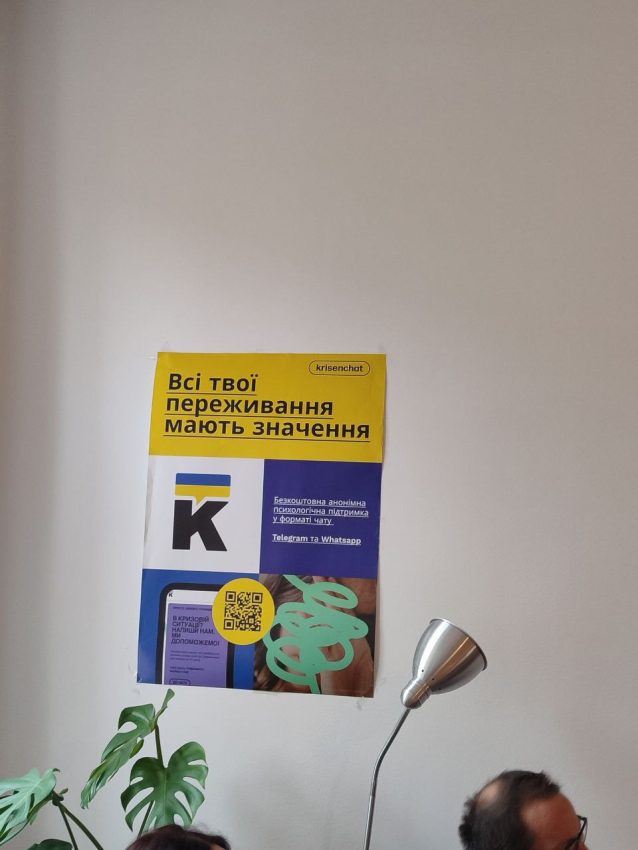
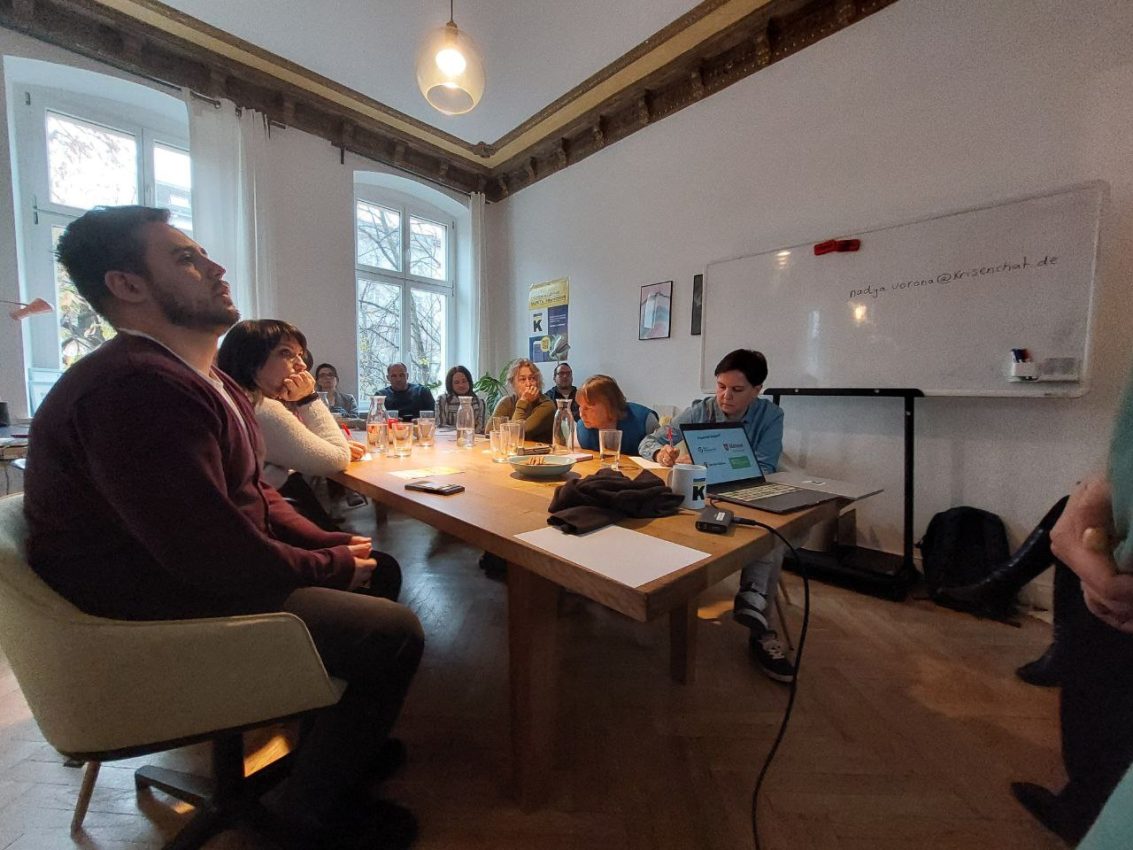
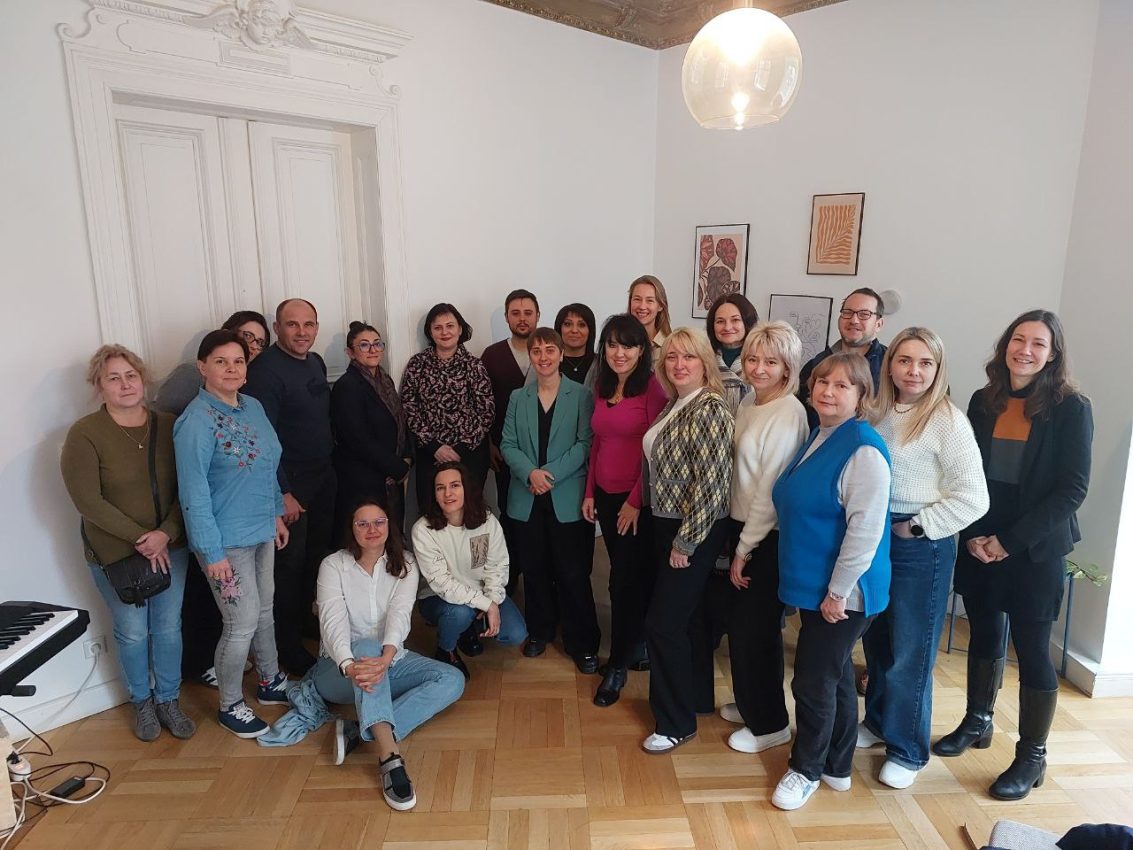
A visit to Krisenchat, an online psychological support service (crisis counseling hotline - Krisenchat https://krisenchat.de/uk/ueber-uns), became another bright event of the study visit. This service provides support to young people in crisis situations in Germany and Ukrainians of all age groups, regardless of their location. The head of the Service, Melanie Eckert, presented the main aspects of the work. In the work of the JV, the desire to help every young person who got into a crisis situation, to provide professional psychological support, was monitored. Since 2020, Krisenchat has provided more than 15,000 consultations, more than 4,000 people have sought psychological help, and about 4,000 consultations are carried out in a month. In 2022, Krisenchat UA was launched, which provided 32,000 consultations, more than 23,000 people seeking help turned to it. The workload of the Ukrainian representative office is 1,500 consultations per month. Together with the employees of Krisenchat, they outlined the contours of cooperation in the near future. Wait for activities within the project, we will definitely announce them. The next event attended by the project executors was a presentation and practical recommendations for the creation and functioning of Support Centers by the head of the international office of the IPU, Carmen Scheer. The proposed algorithm makes it possible to look optimistically at the prospect of creating such a structural unit in the Higher Education and Training Center of Ukraine.
The delegation from Ukraine was impressed by the dedication, professionalism and enthusiasm of the center's team, which includes Ukrainian psychologists. The visit ended with valuable discussions between Ukrainian and German psychologists, where potential areas of future cooperation and exchange of knowledge were discussed.
Day 5.
Professor Lutz Wittmann (IPU) shared his own experience and offered supervisory cases in the context of "Trauma and psychoanalytic trauma interventions". He revealed the secrets of his own experience of professional growth and the peculiarities of applying a combination of psychotherapeutic approaches.
Together with the organizers of the project - professors Lars Kuchinke and Phil Langer, the participants from Ukraine summed up the results of the visit, analyzed the expectations and real achievements, outlined the dates of the next educational activities. German colleagues paid attention to EMDR (Eye Movement Desensitization and Reprocessing) - desensitization and reprocessing (trauma processing) with eye movement. EMDR is a special trauma therapy that is a combination of a complex of psychotherapeutic methods, combining them with eye movements or other forms of bilateral stimulation. This trauma therapy allows you to start (stimulate) the mechanism of processing traumatic information by the brain. There are positive trends in mastering these practices, so it will be offered in psychological help centers that will be created on the basis of Ukrainian universities participating in the project.
It is interesting that the organizers offered the participants to form a rating of their preferences for the key activities of the study visit. The opinions of the participants were almost unanimous.
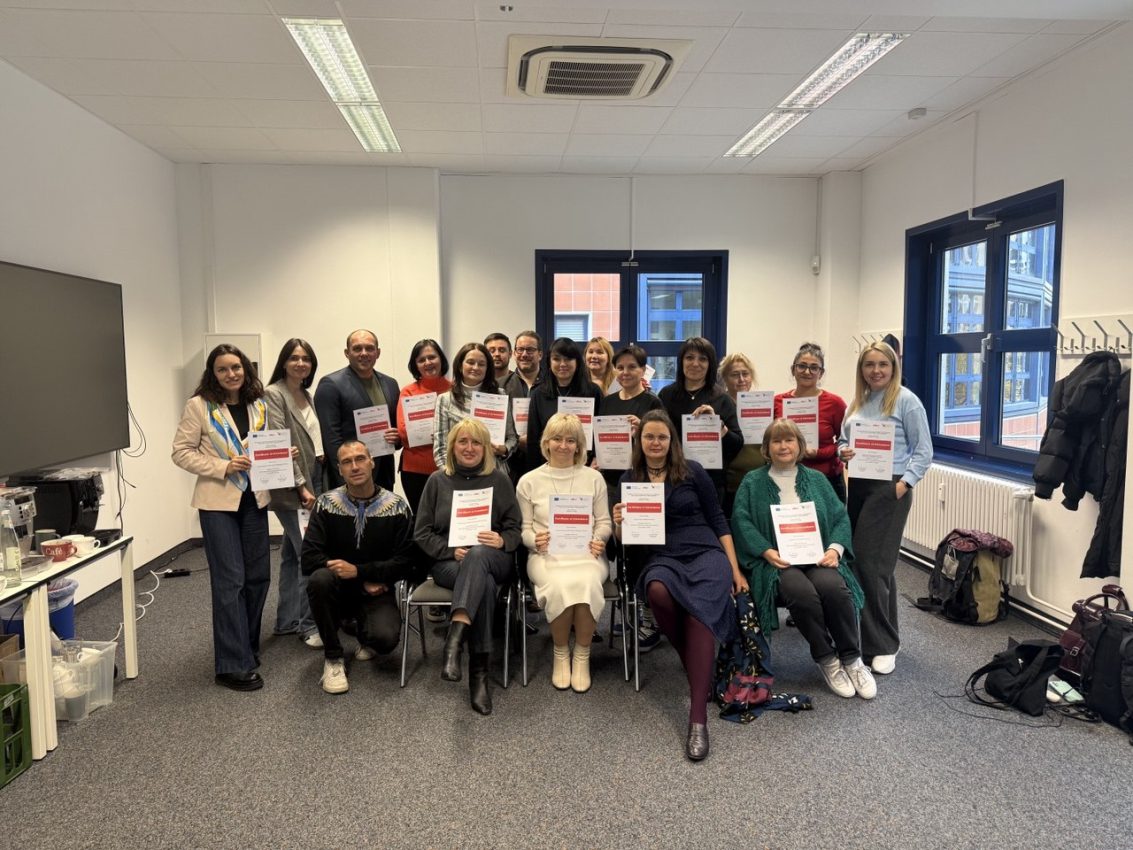
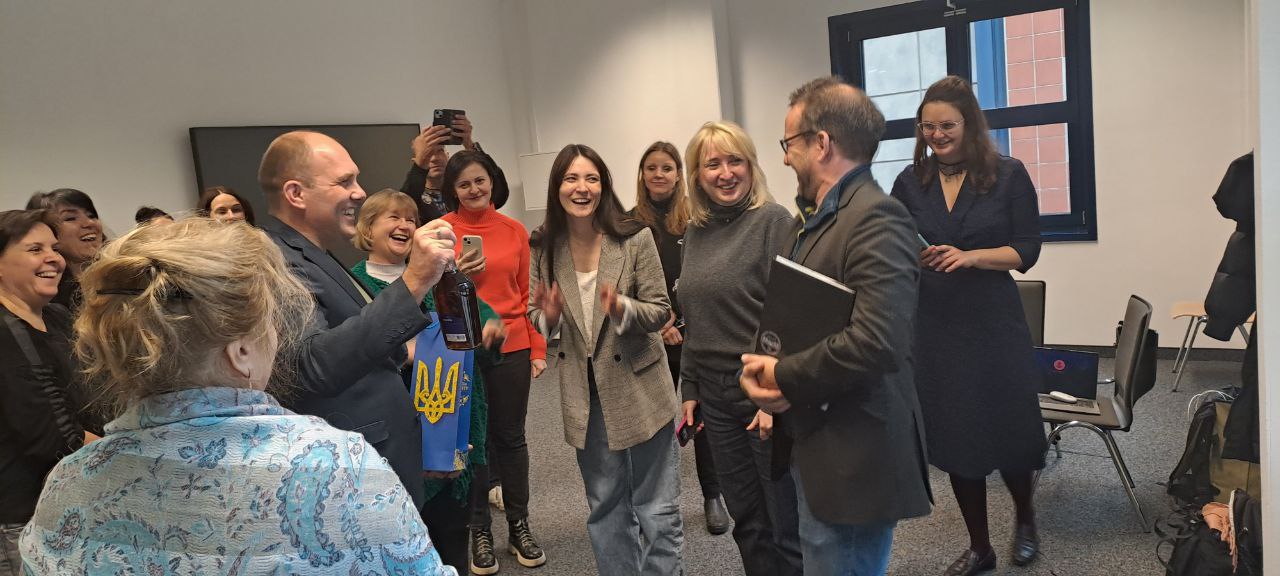
At the final stage of our study visit, all participants received training certificates and provided feedback to the organizers. All activities of the visit were carefully thought out and organized warmly and hospitably. The guests discussed with their German colleagues the further directions of project implementation, as well as prospects for expanding cooperation.
Sincere gratitude to the organizers, the International Psychoanalytic University and all participants for their cooperation. We work, acquire and hold the educational and scientific front.
Cultural component of the study visit.
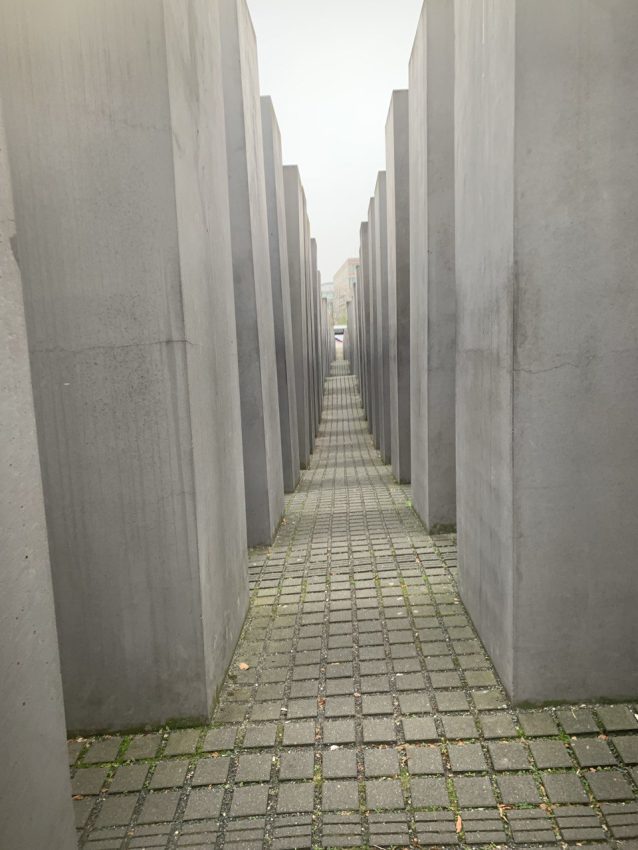
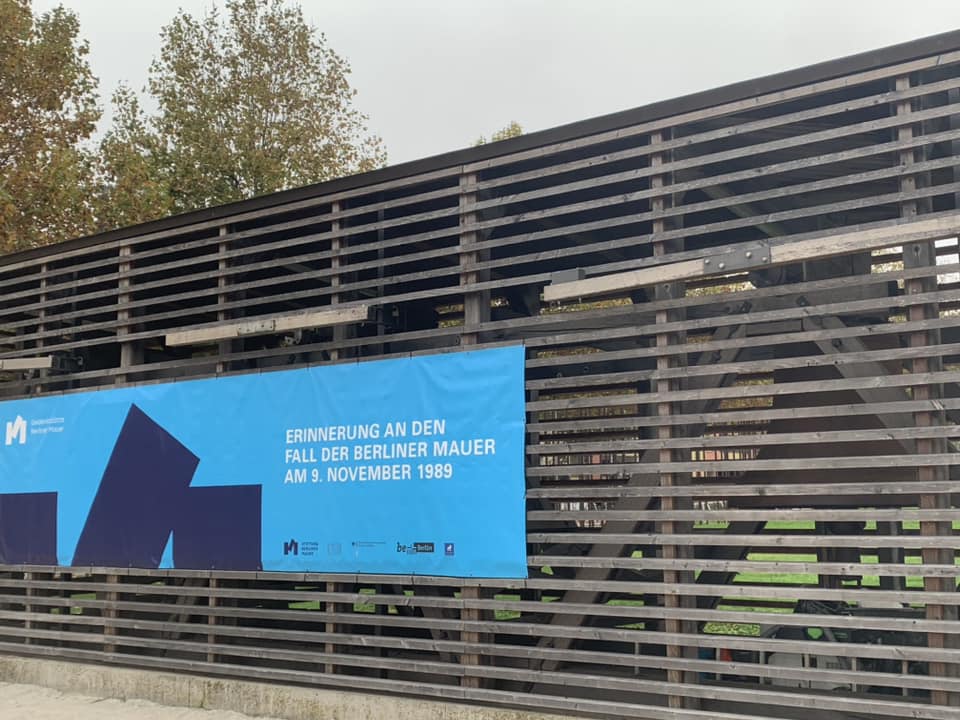
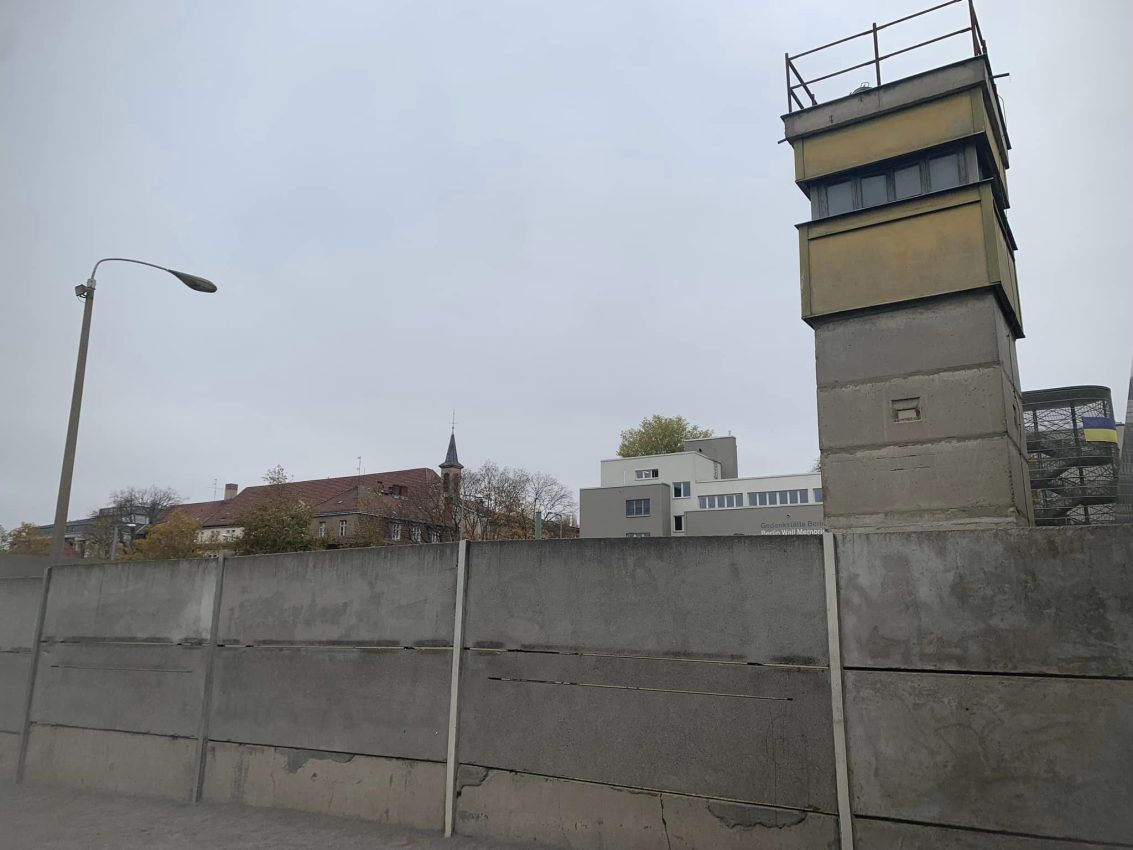
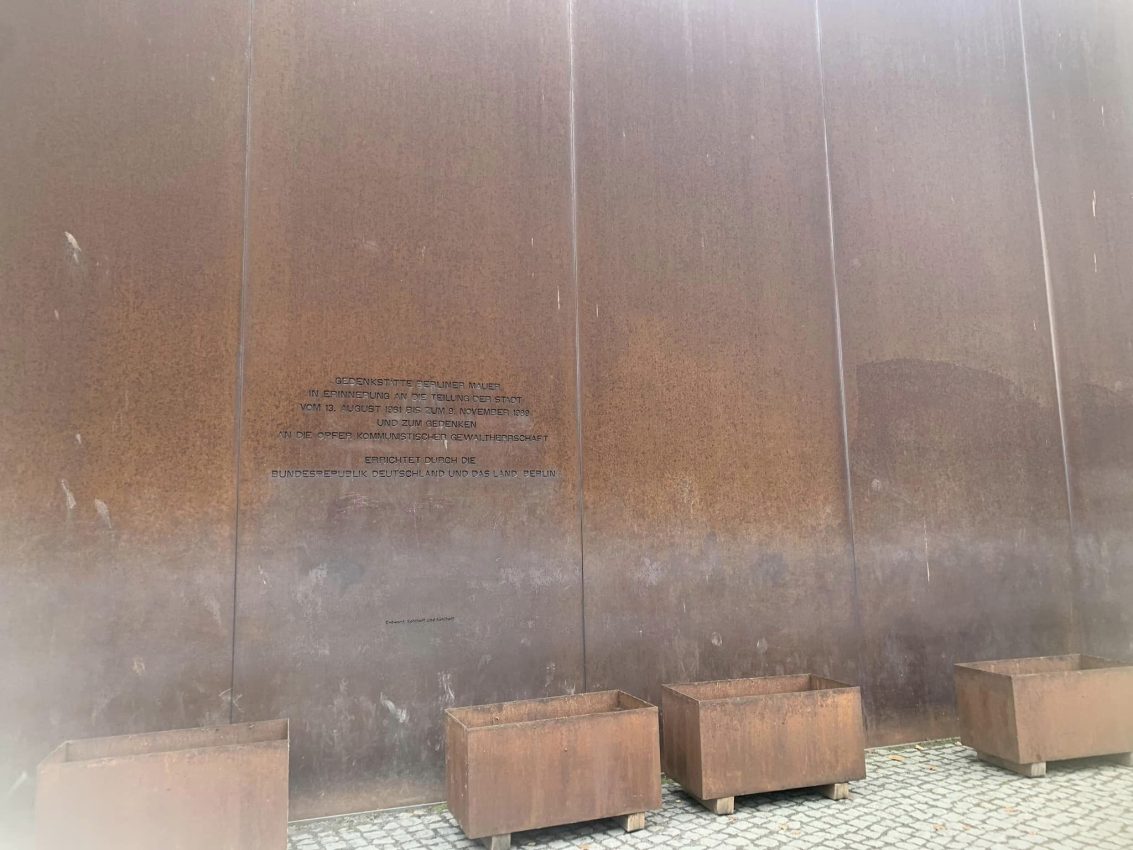
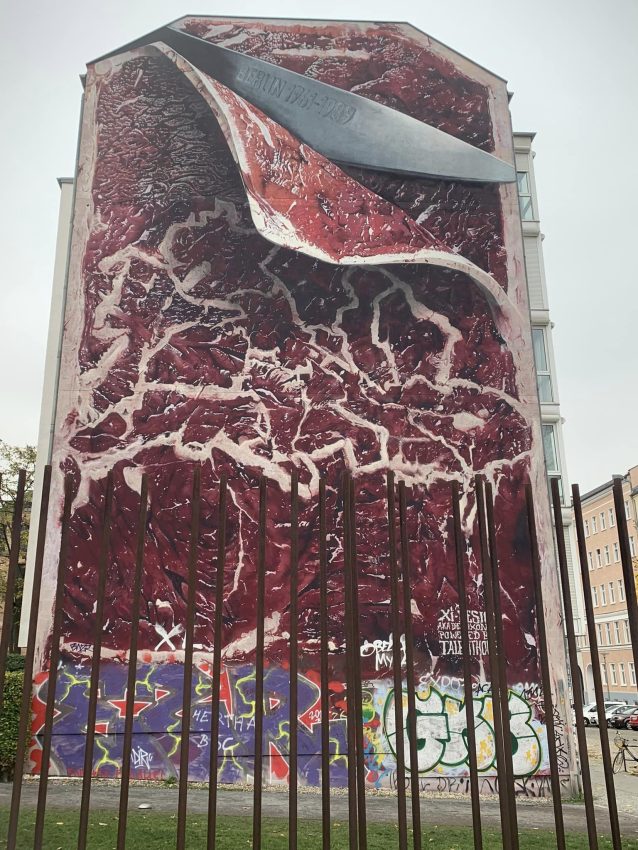
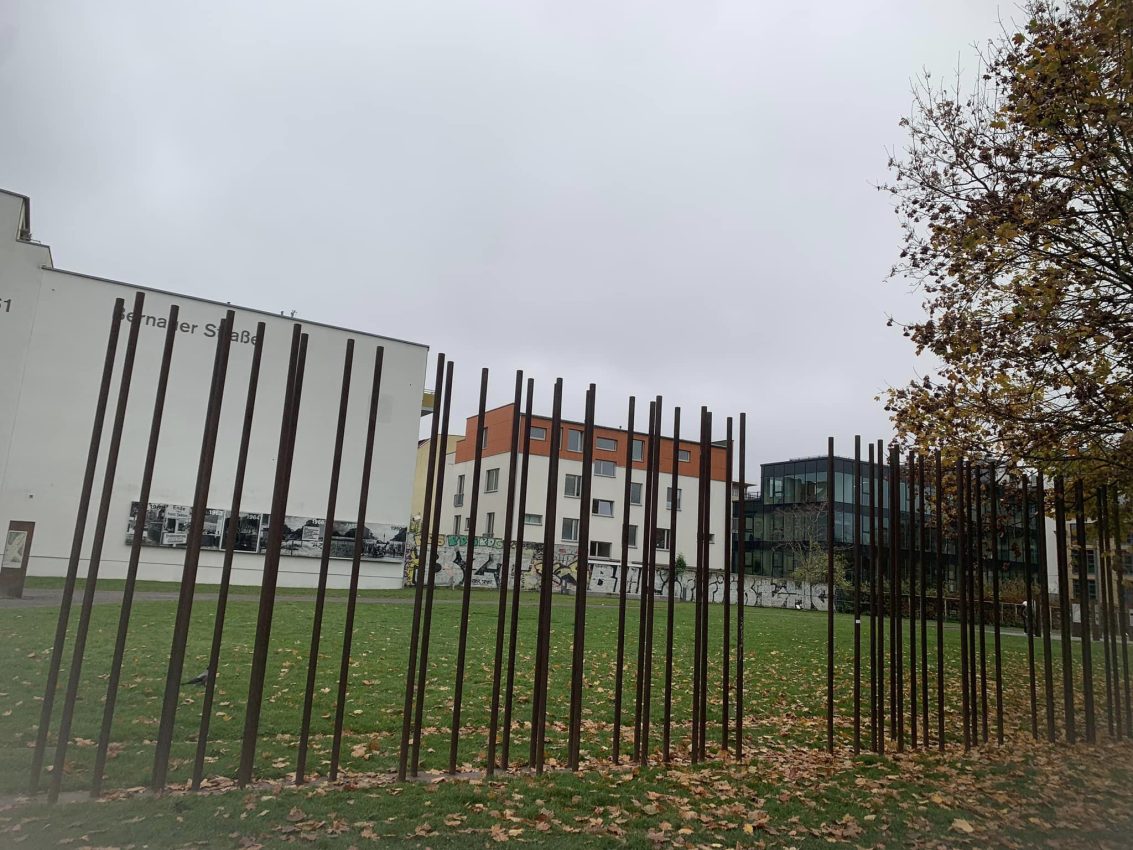
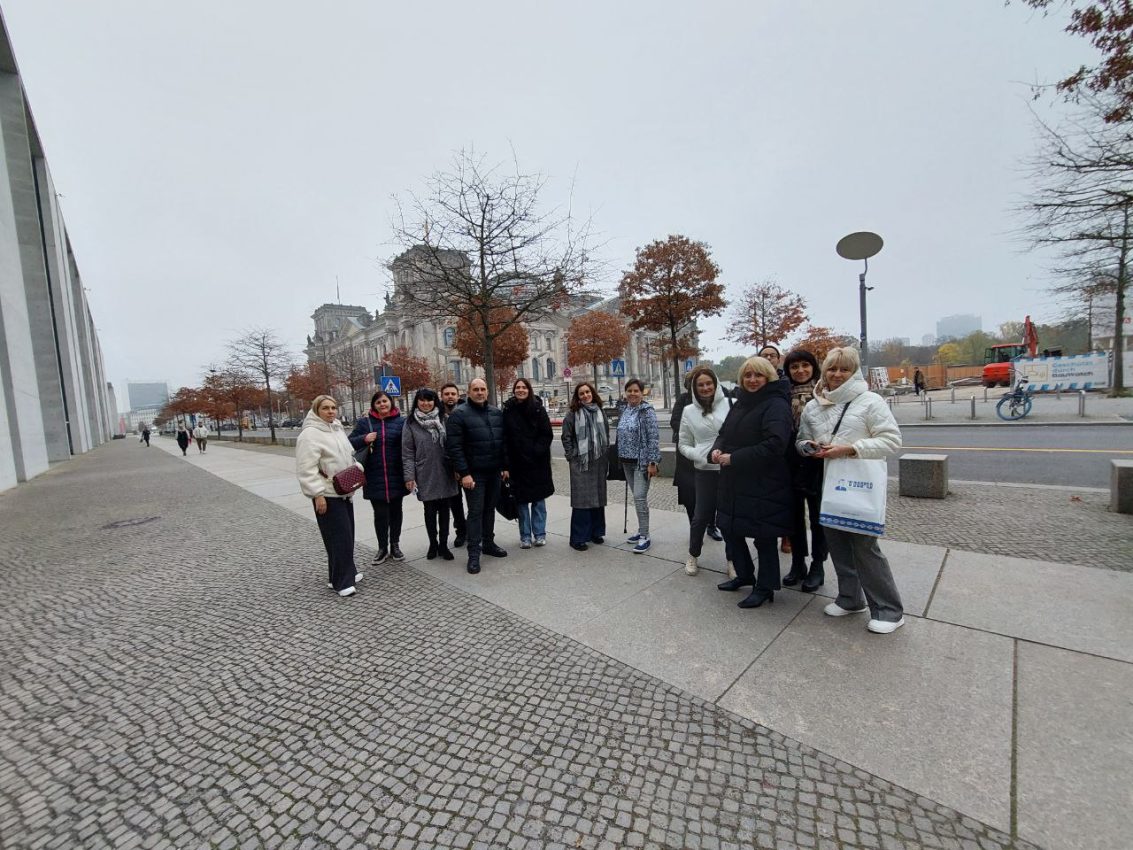
The cultural component of the study visit included a visit to the Holocaust memorial in the center of Berlin and the Berlin Wall memorial complex. On November 9, 2024, the European Community celebrated the 35th anniversary of the fall of the Berlin Wall. This event symbolized the end of the Cold War and opened a new page in European history - the collapse of the communist regime and the further development of democratic societies in the post-Soviet states.
BURN project participants hope that the significance of this historic event will continue to unite European nations against common threats emanating from totalitarian regimes.