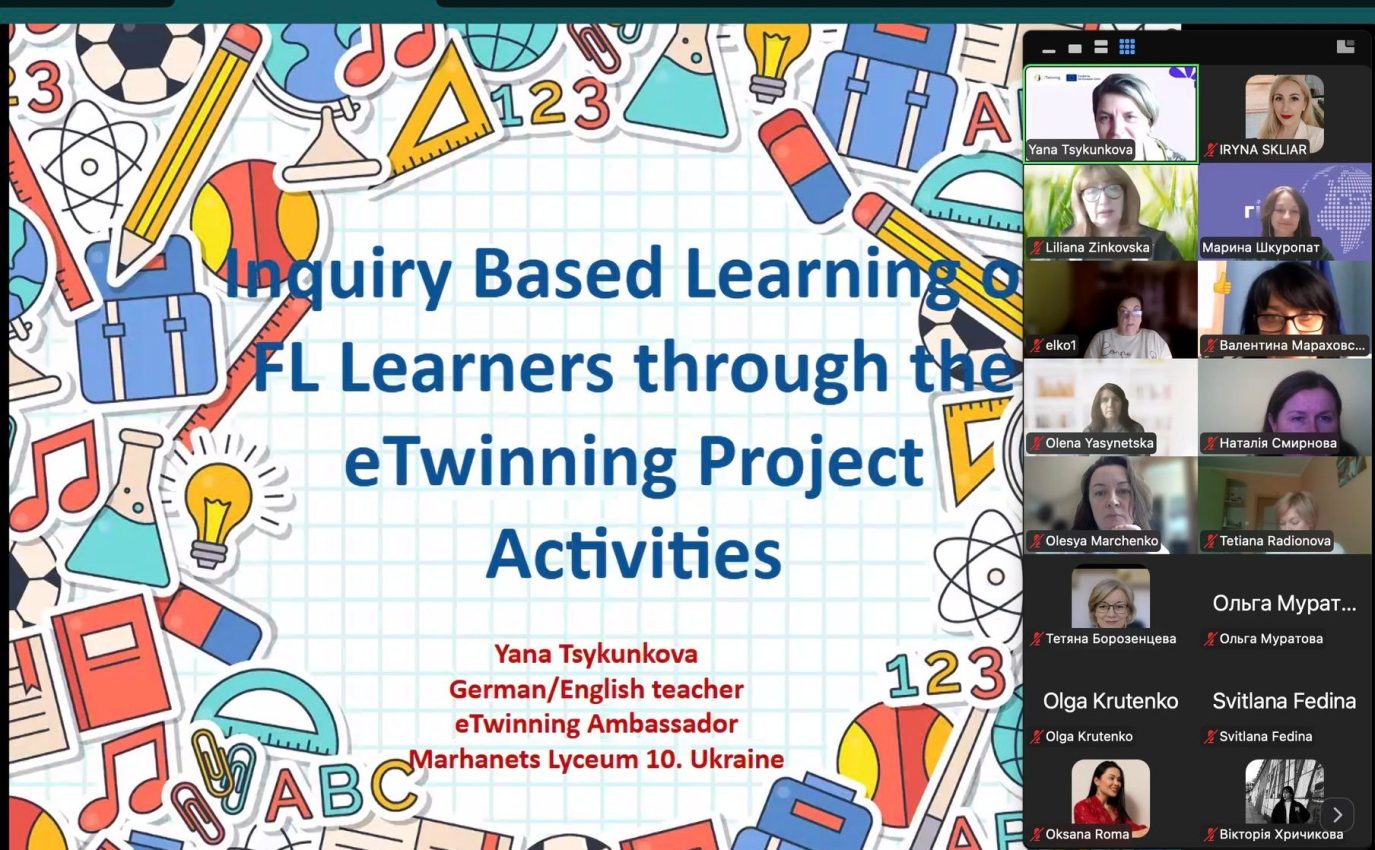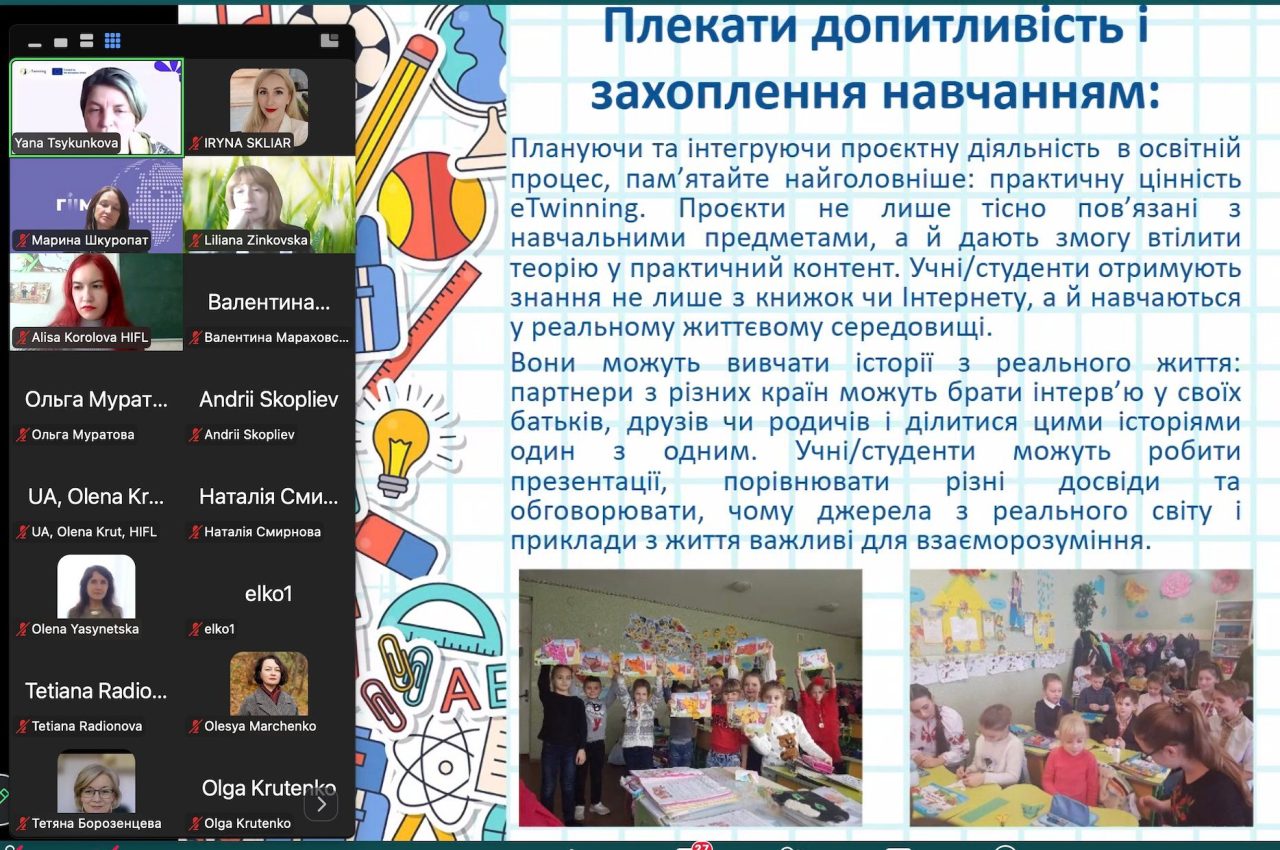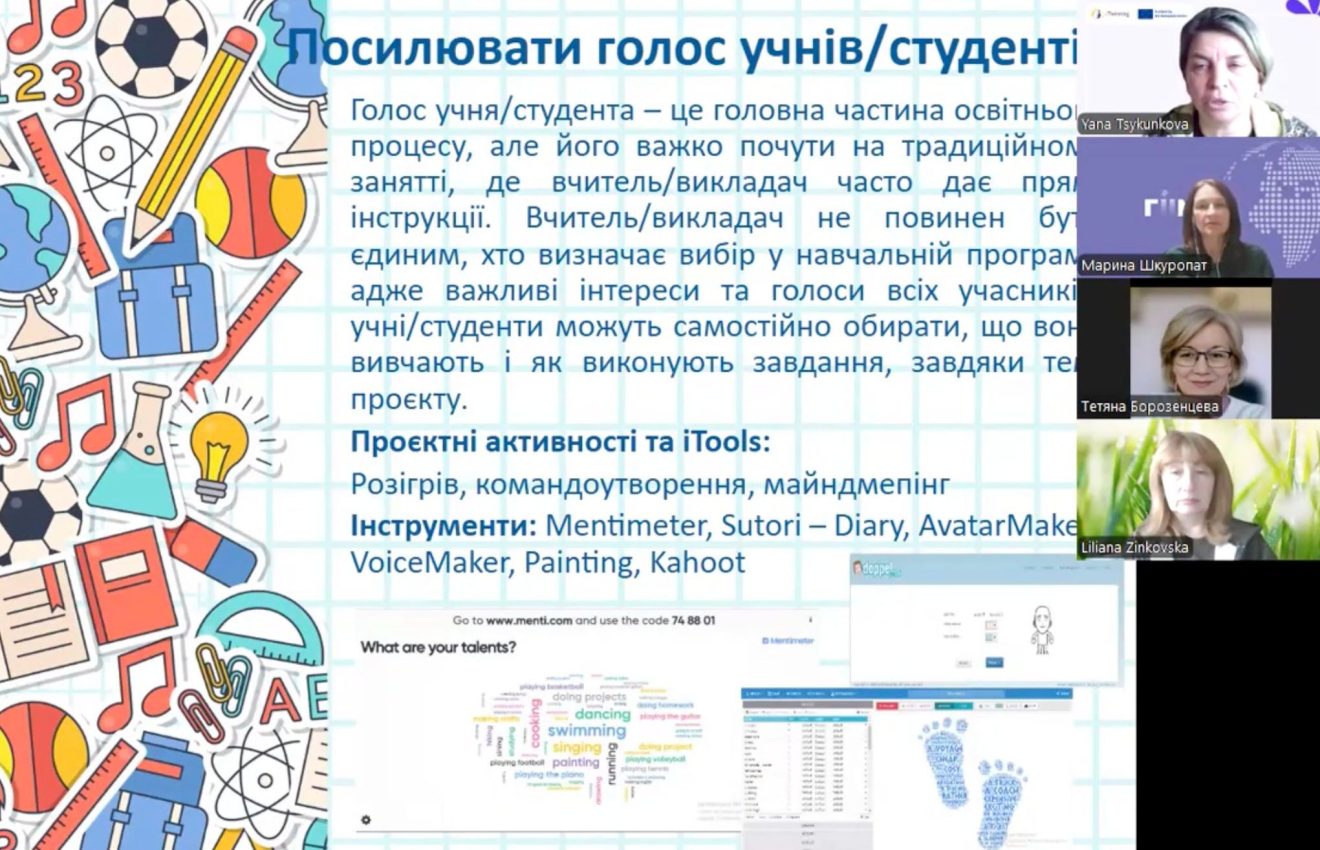
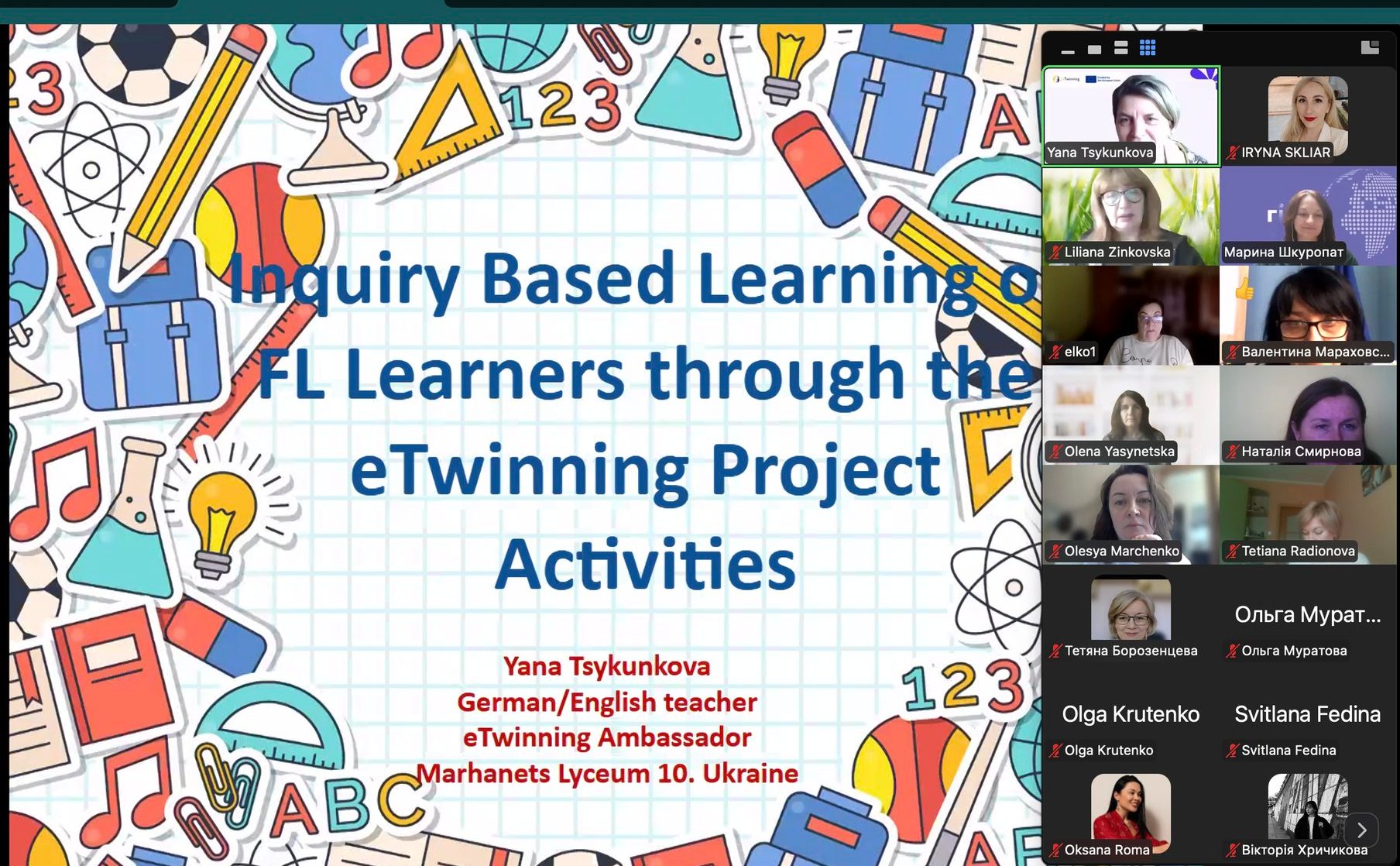
On March 18, 2026, a guest lecture with the participation of a stakeholder-employer was held at the Horlivka Institute of Foreign Languages as part of the Digital Language Hub.
The guest speaker was Yana Tsykunkova, an English and German teacher at Marhanets Lyceum No. 10, an ambassador of the eTwinning program in Ukraine.
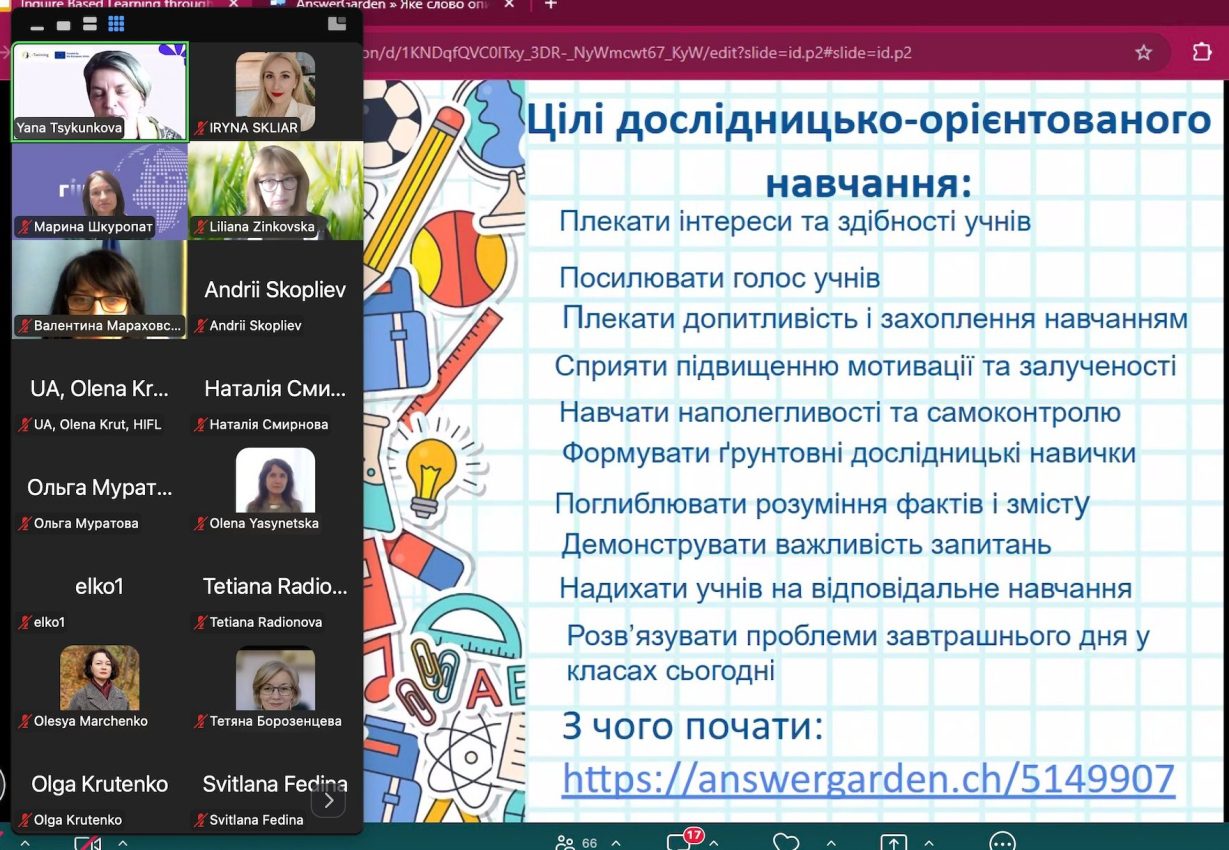
The topic of the lecture is – Inquiry-Based Learning through eTwinning Project Activities – was dedicated to current approaches to organizing the educational process, in particular, the implementation of research-oriented learning.
The event was moderated by the manager of the Erasmus+ DigiFLEd project of the GIIM team, associate professor of the Department of English Philology and Translation of the Faculty of Social and Linguistic Communication, Maryna Shkuropat.
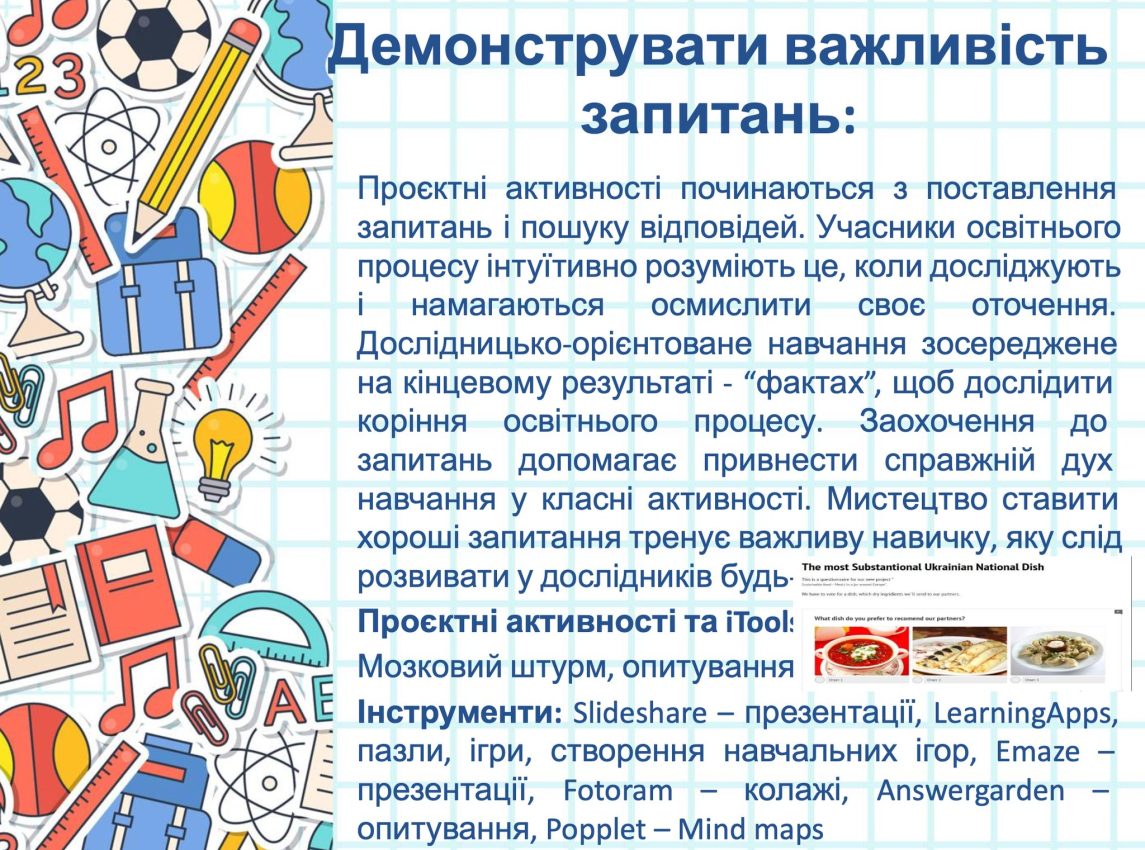
During the meeting, the features of research-based learning as an approach that involves the active participation of students in the learning process were discussed. This format is focused on developing the skills to ask questions, search for solutions, work in a team, and critically reflect on the results obtained. The participants of the event had the opportunity to see that modern learning is not only about mastering the content of disciplines, but above all, about being involved in the process of cognition.
The speaker paid special attention to the practical experience of implementing eTwinning projects. Examples of organizing work in international teams were presented, where a foreign language serves as a tool for real communication, and effective cases of interaction between participants in the educational process were demonstrated.
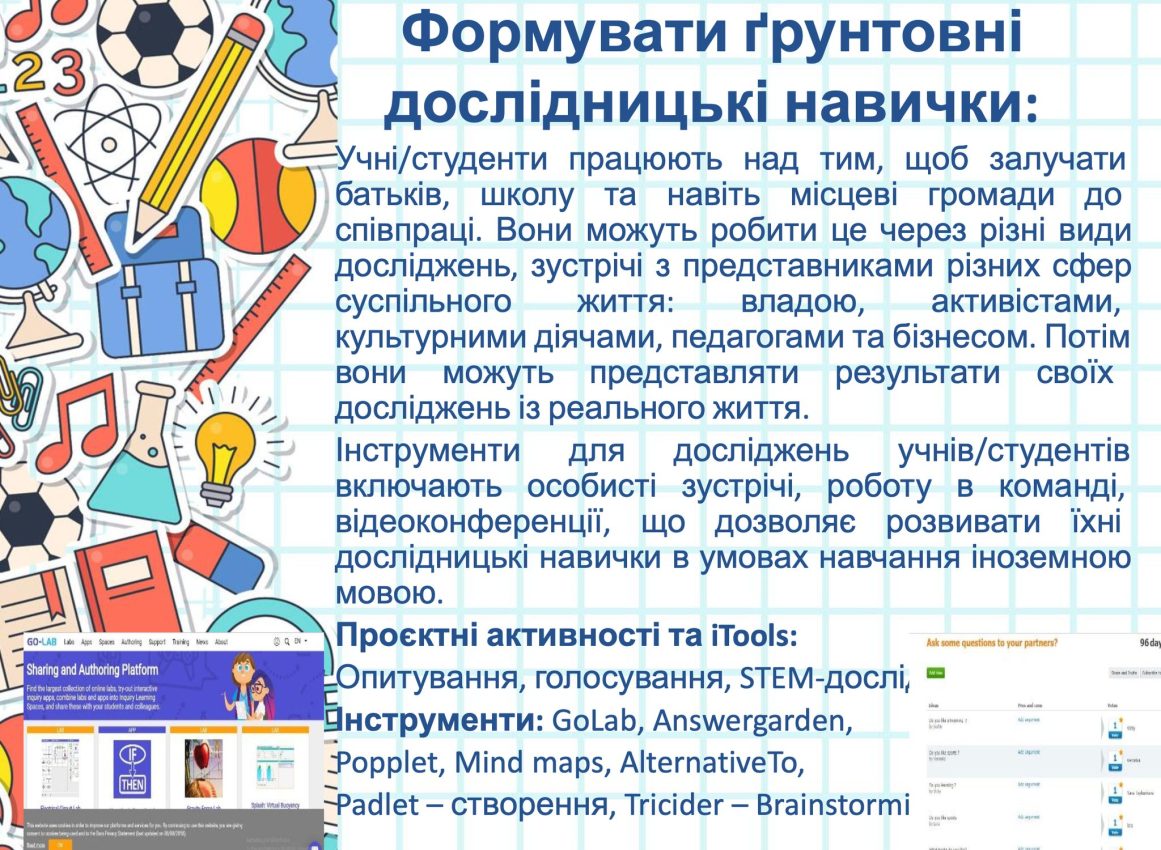
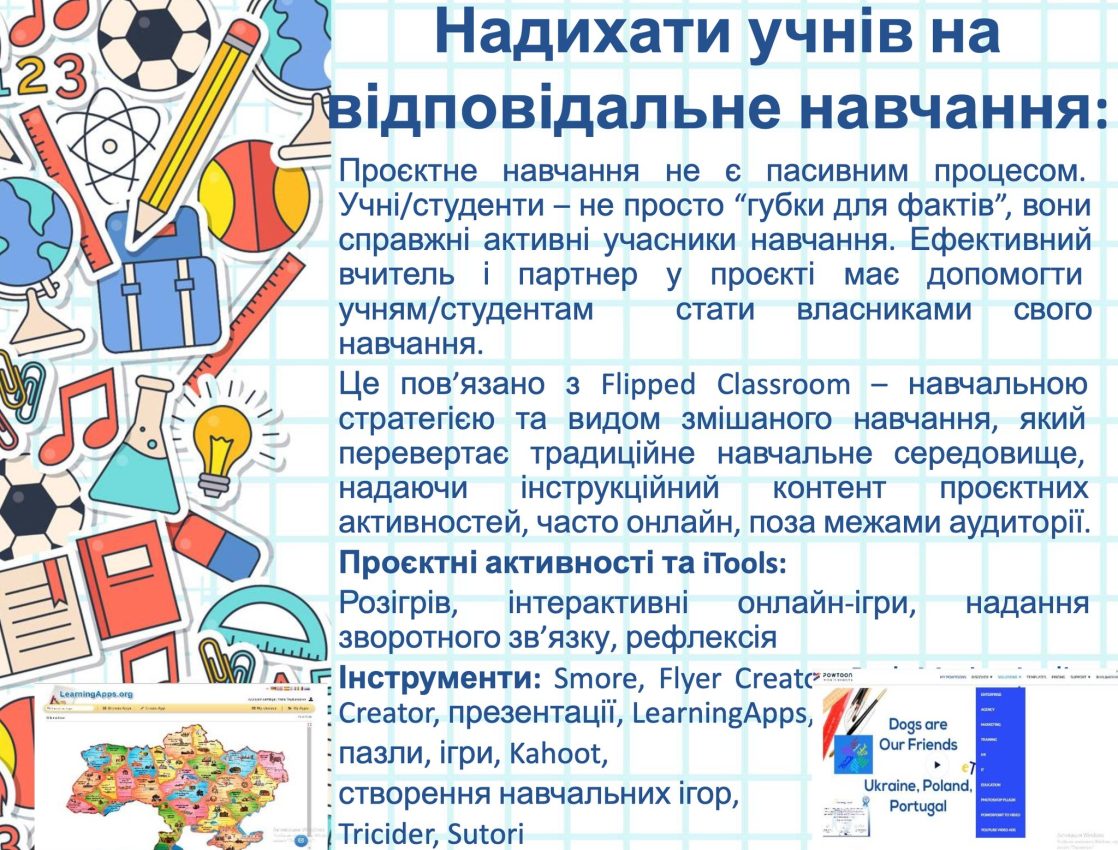
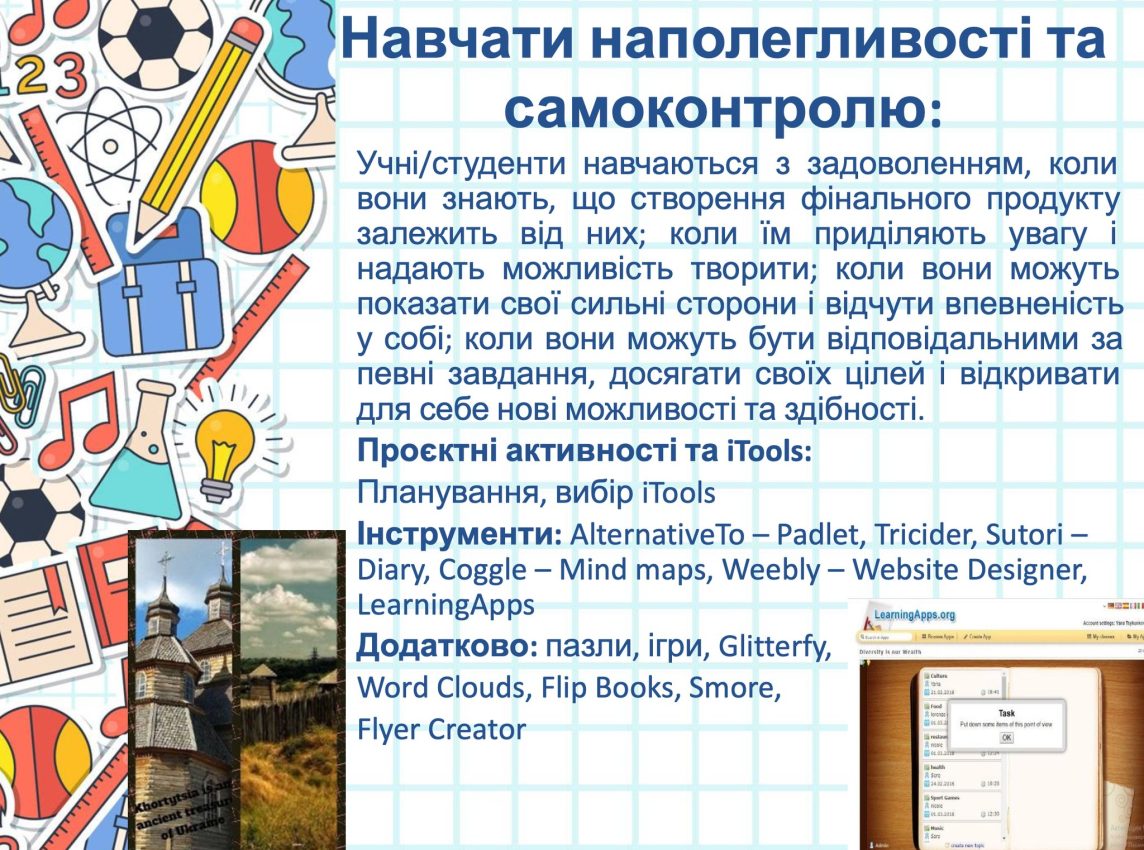
The lecture presented a number of modern digital tools that are actively used in project activities, including: Answergarden, Mentimeter, Kahoot, Padlet, Popplet, Tricider, Coggle, LearningApps, Nearpod, Scratch, PowToon, Animoto, StoryJumper, etc. Their use helps to increase the motivation of students, develop their digital and communicative competencies, and engage in international cooperation.
Holding such events is an important element of interaction between a higher education institution and stakeholders, as it allows for an open dialogue between the academic environment and practitioners, as well as orienting the educational process to the current needs of the modern labor market.
We express our sincere gratitude to Yana Tsykunkova for a meaningful and practically oriented lecture, and to the Erasmus+ DigiFLEd project for creating opportunities for the systematic organization of such educational initiatives.